The NFL Schedule Release: A Routine Update Becomes a Cultural
The league's annual calendar unveiling has transformed into a high-production social media competition that anchors the post-draft sports landscape.

Sports reporter
Reports on leagues, tournaments, and athlete developments with an emphasis on verified event details, official announcements, and commercial context.
Editorial responsibility: Lead reviewer for match reporting, tournament context, and league governance coverage
Primary source: ESPN Top Headlines. Full source links and update notes are below.
Fast summary
Start here
- The NFL schedule release has transitioned from a basic clerical announcement to a multi-platform media event.
- Teams now invest significant resources into high-production 'schedule release videos' to drive digital engagement.
- The league utilizes the release to maintain year-round relevance during the traditional offseason period.
What happened
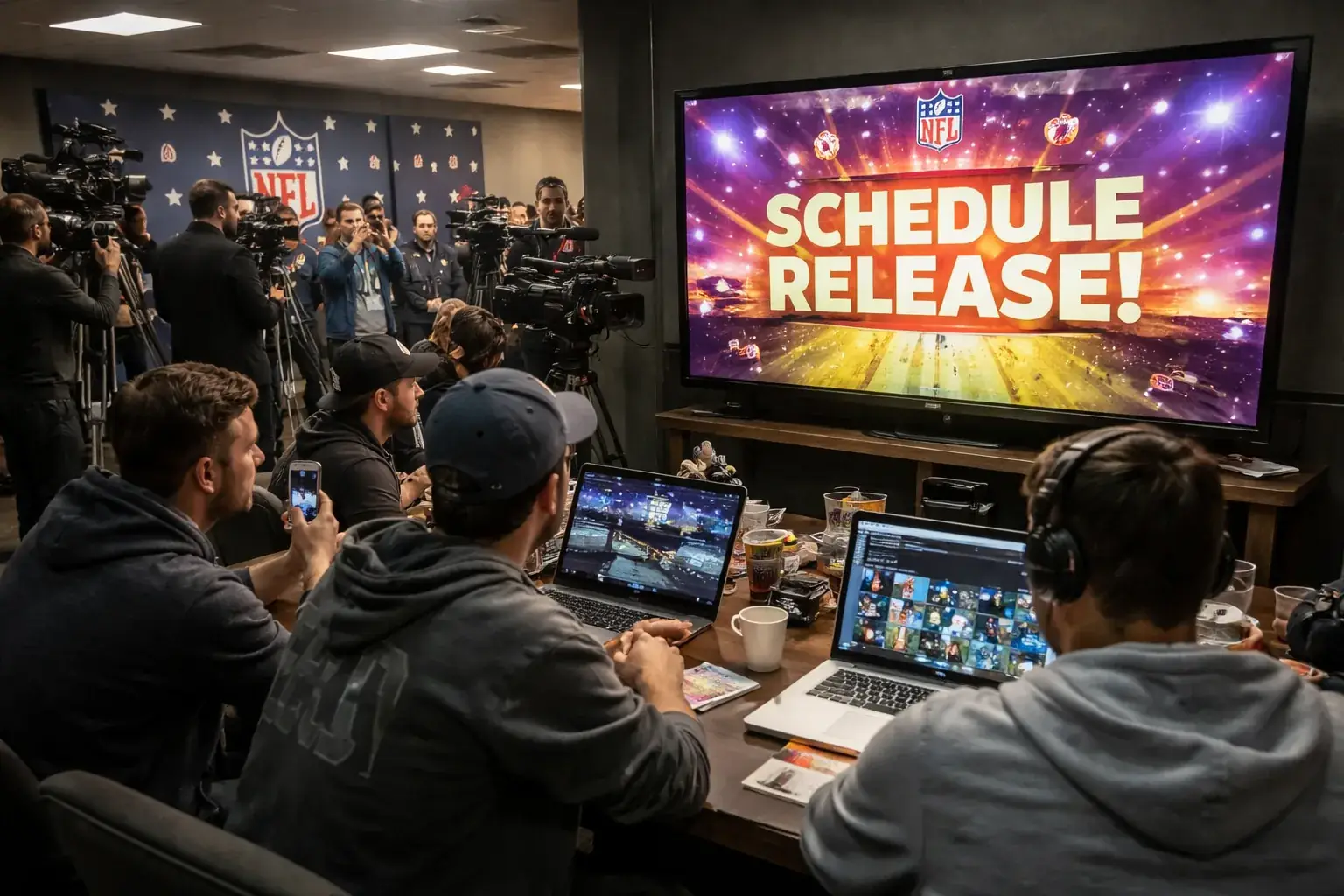
The NFL schedule release has evolved from a straightforward administrative announcement into one of the league's most reliable offseason media events. What was once a simple listing of opponents and dates now arrives with prime-time television coverage, rolling leaks, team-produced videos, and a daylong wave of social media content from every corner of the league. By the time the full schedule appears, the NFL has already turned a clerical process into a cultural event that keeps fans engaged long after the draft and long before training camp begins.
What's new in this update
The current focus is on how the 2026 schedule release cycle is being framed less as a functional update and more as a coordinated digital spectacle. Teams increasingly treat release day like a brand campaign, using celebrity cameos, humor, local references, and platform-native video formats to compete for attention. In many cases, the creative rollout generates almost as much conversation as the actual schedule itself.
That shift matters because it shows how the NFL extends relevance across the calendar. The league does not wait for games to create engagement. It packages milestones such as free agency, the draft, and the schedule release into standalone content events. The schedule release has become especially useful because it gives every team new material at the same time and gives every fan base a reason to project the coming season immediately.
Key details
Several pieces drive the modern schedule release machine. The NFL uses broadcast partners and league media channels to preview marquee matchups and prime-time windows before the full grid is officially published. That creates anticipation and a drip-feed of headlines. Meanwhile, team social media departments release increasingly elaborate videos that are designed to go viral, reinforce franchise identity, and win the unofficial internet competition that now surrounds the day.
The actual football value is real too. Fans use the schedule to identify rivalry games, travel plans, bye weeks, international matchups, holiday windows, and potential stretches that could define a season. But the commercial value is equally important. Every reveal becomes a content opportunity for television, podcasts, sponsor tie-ins, team apps, betting coverage, and fan discussion.
The NFL schedule itself is also more complex than it once was. International games, streaming-only packages, holiday showcases, and cross-network obligations all mean the release has to balance logistics with entertainment. That complexity gives the league even more material to package and explain.
Background and context
Historically, schedule release day was not an event at all. Fans learned dates from newspaper listings, team press releases, or local coverage with little ceremony. Over time, the NFL recognized that its audience had developed an appetite for year-round engagement and future-oriented discussion. The schedule is uniquely suited to that because it invites immediate speculation about wins, losses, playoff races, rest advantages, travel burdens, and blockbuster matchups.
Social media accelerated the transformation. Once teams realized fans would reward creativity around a routine announcement, schedule release videos became a branding battlefield. What started as novelty posts grew into one of the sports world's most consistent annual content wars.
This is also part of the NFL's larger marketing advantage. Few leagues are as effective at turning structure itself into entertainment. The league understands that fandom is not limited to live games. It includes anticipation, analysis, identity, and participation in shared online moments.
What to watch next
The next phase of the schedule release trend will likely center on international expansion and platform fragmentation. As the NFL adds more overseas games and more exclusive streaming packages, schedule day becomes even more consequential for fans trying to understand when and where games will actually be available.
Teams will also keep raising the creative bar. The unofficial contest for the best schedule release video is now part of the day, not a side note. That means franchise content teams are likely to invest even more heavily in production and concept development. The schedule release used to be about dates. Now it is also about marketing, audience capture, and proving that the NFL can dominate the sports conversation even when no games are being played.
Why it matters
The schedule release event demonstrates the NFL's ability to monetize and market administrative processes, creating a secondary peak in fan engagement between the draft and training camp.
Read next
Follow this story through the topic hub, more sports coverage, and the latest updates.
Weekly briefing
Get the week's key developments in one concise email.
Get a fast catch-up on the biggest stories, the context behind them, and the links worth your time.
Cadence
Weekly, for a quick catch-up
Coverage
AI, business, world, security, sports
Format
Clear takeaways and useful context
Request the briefing
Leave your email to open a prepared request and get on the list for the weekly briefing.
About the byline
Sports reporter
Olivia Park covers sports with an emphasis on competition, governance, and the business forces shaping global leagues, major events, and athlete decision-making.
Sources and methodology