AI Startups Scale Operations as Global Aluminum Prices Reach Decadal
Geopolitical instability in the Gulf has sent aluminum prices soaring, driving demand for advanced automated sorting technologies to bolster domestic

AI reporter
Reports on model launches, frontier labs, developer platforms, and AI policy with an emphasis on claims verification and rollout context.
Editorial responsibility: Lead reviewer for AI coverage, launch claims, and policy context
Primary source: TechCrunch AI. Full source links and update notes are below.
Fast summary
Start here
- Aluminum prices increased 20% due to regional conflict affecting the Gulf, where 10% of global supply originates.
- Metals recycling startup Sortera has doubled its processing capacity to 240 million pounds with a new Tennessee facility.
- AI-powered sorting systems from companies like Amp and Sortera use advanced sensors and robotics to recover metal from waste with over 90% accuracy.
What happened
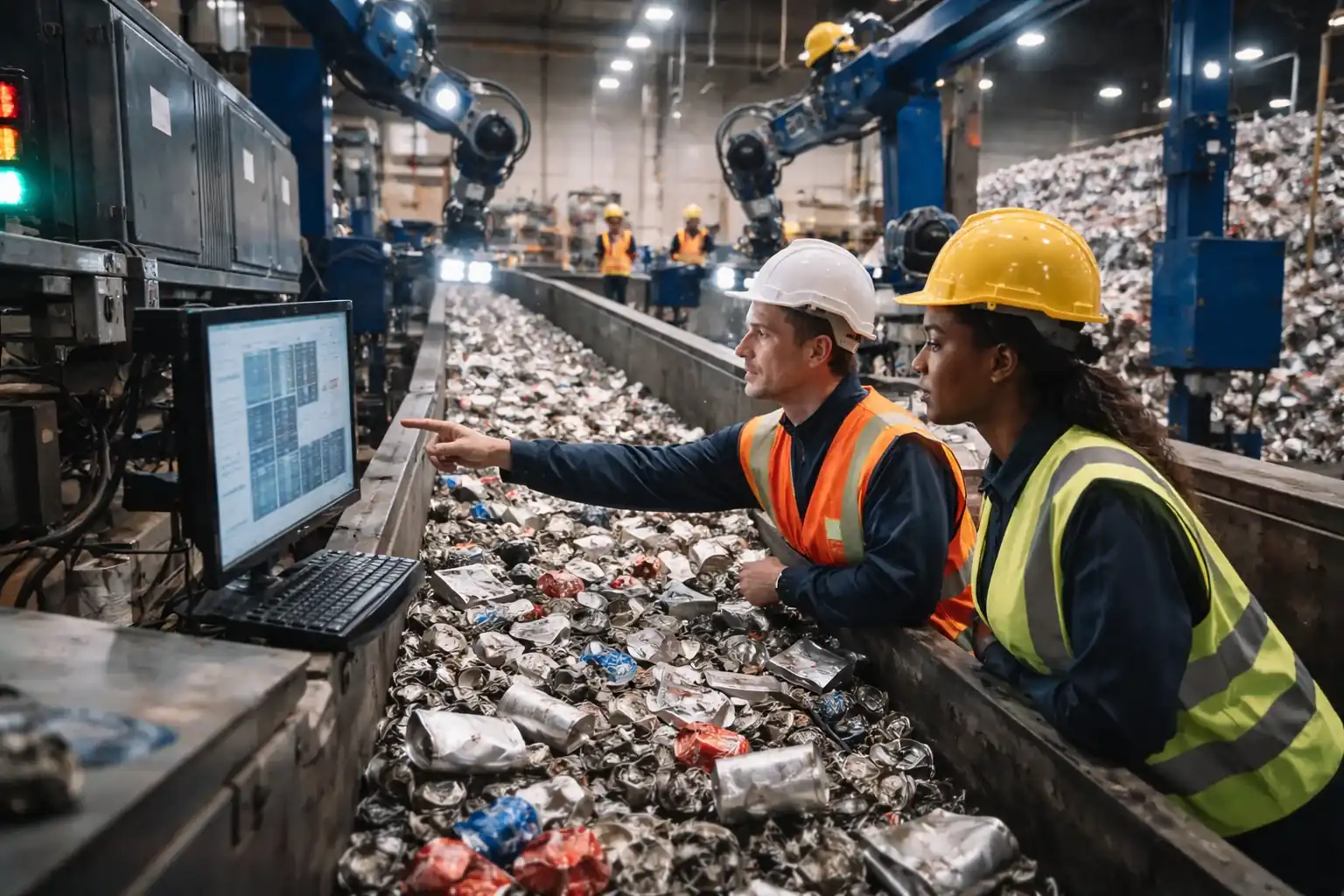
Aluminum prices have jumped about 20% after conflict in the Gulf region disrupted a part of the global supply chain, pushing the metal toward multi-decade highs and sharply increasing the value of recovered scrap. That shift is creating a timely opening for recycling startups such as Sortera and Amp, which use machine learning, robotics, and sensor-heavy sorting systems to pull more usable aluminum out of waste streams.
The price spike matters because aluminum sits at the intersection of industrial manufacturing, energy transition policy, and supply-chain security. It is used across transportation, construction, packaging, and infrastructure, yet much of the recyclable metal in the United States still goes unrecovered. When commodity prices rise this quickly, waste that once looked marginal can suddenly become strategically valuable.
What's new in this update
Sortera has opened a second facility in Tennessee, doubling its total processing capacity to roughly 240 million pounds. That expansion illustrates how fast the economics can change when higher commodity prices meet better sorting technology. AI systems that were already improving margins under normal market conditions become even more attractive when every ton of recoverable metal is worth materially more.
Other startups in the space, including Amp, are making a related argument: the country already throws away far more aluminum than it should, and the constraint is no longer only collection. It is identification, separation, and grading. If AI systems can tell one alloy or product stream from another with high accuracy, more scrap can be turned into high-value feedstock instead of low-value mixed waste.
Key details
Modern recycling systems rely on more than a single camera and a neural network. Companies are combining machine vision with X-ray fluorescence, infrared sensing, lasers, airflow systems, and robotic picking arms to recognize metal type, contamination level, and grade. That matters because aluminum is not one uniform category. Different industrial uses require different material quality, and the ability to sort precisely affects how much value recyclers can capture.
The broader opportunity is large:
- Aluminum now has heightened strategic importance because of global supply disruption.
- The United States classifies it as a critical mineral for supply-security reasons.
- Recovery rates remain relatively low despite aluminum's strong recyclability.
- AI and robotics can raise recovery efficiency from waste streams that humans sort poorly or too slowly.
When those factors combine, recycling becomes less of a niche sustainability story and more of a hard industrial competitiveness story.
Background and context
For years, climate-tech advocates argued that better recycling could reduce emissions, cut mining demand, and improve circularity. Those arguments still matter, but price shocks add a different layer of urgency. Suddenly the case is not only environmental. It is geopolitical and economic. If primary aluminum supply is exposed to overseas instability, then domestic recycling becomes a partial hedge against external disruption.
This is why AI matters so much in the sector. The bottleneck is often not whether recyclable material exists. It is whether facilities can identify, separate, and monetize it at scale. Startups like Sortera and Amp are effectively trying to turn low-visibility waste infrastructure into a higher-tech supply engine.
What to watch next
The next test is whether higher prices remain elevated long enough to reshape long-term investment decisions. If they do, expect more capital to flow into sensor-driven scrap processing, municipal recovery partnerships, and automated materials facilities. If prices fall quickly, the strongest operators will be the ones that still make the economics work without a crisis premium.
Why this matters
This matters because aluminum recycling is becoming a strategic AI application rather than just a back-end industrial optimization. When commodity pressure, national supply concerns, and automation capability align, waste recovery starts to look like core infrastructure for manufacturing resilience.
Reader context
This story belongs to Northstar Herald's Machine Learning and Robotics coverage, with related entities including Aluminum, Sortera, Amp Robotics, Recycling. The report is based on TechCrunch AI source material.
Related coverage
Why it matters
With the U.S. designating aluminum a critical mineral and recycling rates currently at only 20%, AI-driven recovery offers a significant opportunity to secure domestic supply and capitalize on rising commodity values.
Read next
Follow this story through the topic hub, more ai coverage, and the latest updates.
Weekly briefing
Get the week's key developments in one concise email.
Get a fast catch-up on the biggest stories, the context behind them, and the links worth your time.
Cadence
Weekly, for a quick catch-up
Coverage
AI, business, world, security, sports
Format
Clear takeaways and useful context
Request the briefing
Leave your email to open a prepared request and get on the list for the weekly briefing.
About the byline
AI reporter
Alex Rivera reports on artificial intelligence with an emphasis on model launches, frontier lab strategy, developer tooling, and the policy decisions shaping commercial deployment.
Sources and methodology