Trump Warns 'Clock Is Ticking' for Iran as Peace Progress Stalls
President Trump characterized Tehran's counter-proposals as 'garbage' and urged immediate action to prevent further escalation.
Primary source: BBC World News. Full source links, newsroom standards, and correction details are below.
Fast summary
Start here
- President Trump warned Iran that 'time is of the essence' or 'there won't be anything left of them.'
- Iran is demanding an end to the US naval blockade and compensation for war damages in its latest proposal.
- The US has reportedly demanded Iran transfer its enriched uranium stockpile and limit operations to one nuclear site.
What happened
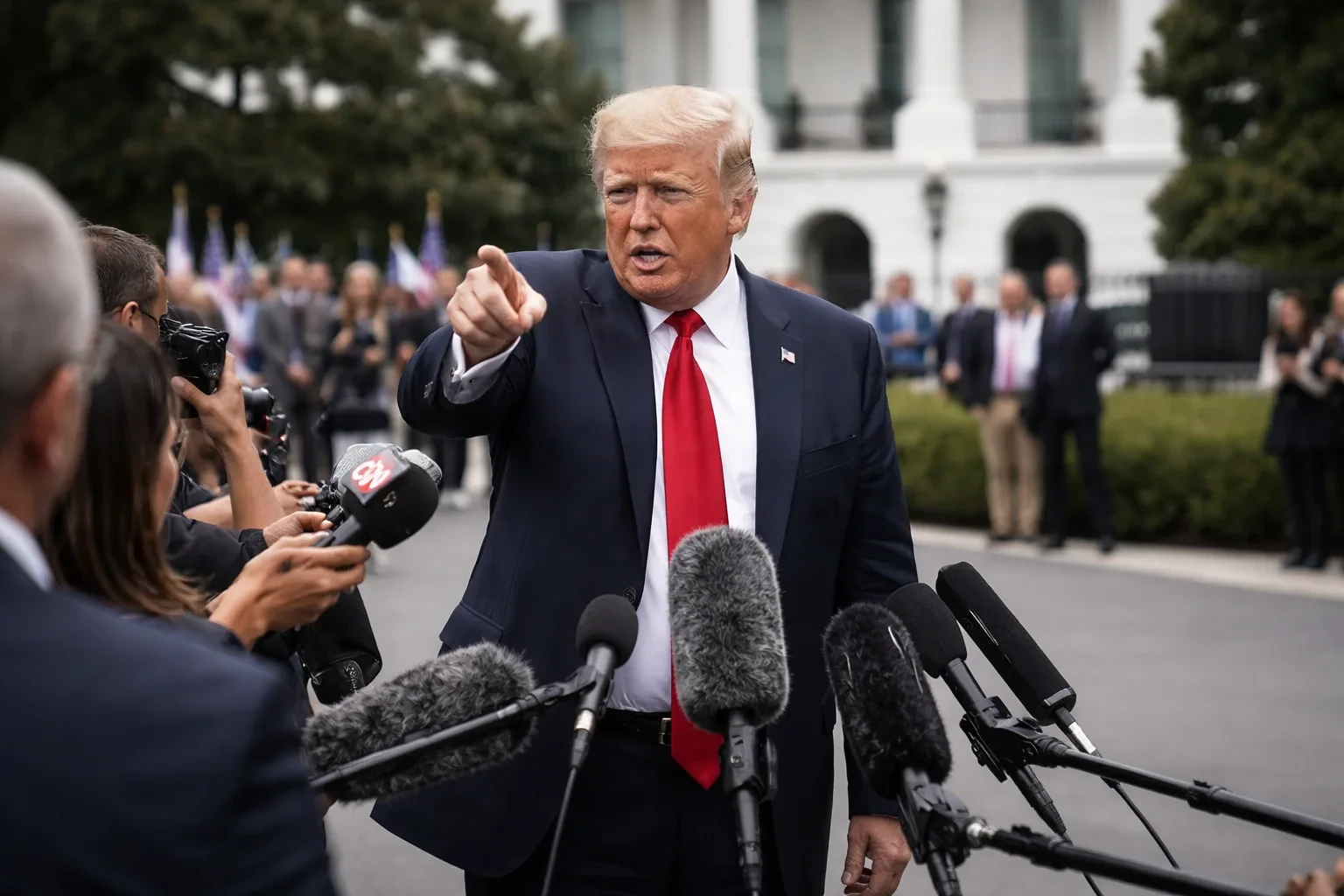
President Donald Trump has issued a stark warning to Iran, stating that 'the clock is ticking' as diplomatic efforts to end the conflict have reached a standstill. In a message posted to Truth Social, Trump urged Iranian leaders to reach an agreement quickly, suggesting that failure to do so would lead to devastating consequences for the nation. This warning followed a Sunday discussion between Trump and Israeli Prime Minister Benjamin Netanyahu regarding the state of the negotiations.
What's new in this update
Tensions escalated after the US rejected a counter-offer from Tehran, which Trump labeled 'garbage' and 'totally unacceptable.' Iranian officials, meanwhile, claimed the US failed to make concrete concessions in response to their proposal. This impasse has left the ceasefire—established in early April—on what the president described as 'massive life support,' despite the relative adherence to the truce by military forces on the ground.
Key details
According to Iranian media, Tehran's proposal included an end to hostilities on all fronts, a halt to the US naval blockade of Iranian ports, and recognition of Iranian sovereignty over the Strait of Hormuz. In response, Washington reportedly set five conditions, including a demand that Iran operate only one nuclear site and transfer its stockpile of highly enriched uranium to the United States. Trump recently indicated a willingness to accept a 20-year suspension of Iran's nuclear program, a shift from previous demands for a total termination.
Background and context
The current crisis intensified on February 28 when US and Israeli forces launched air strikes against Iran. In retaliation, Iran has maintained control over the Strait of Hormuz, effectively closing a vital passage for 20% of the world's oil and liquefied natural gas. This closure has contributed to a global surge in energy prices. While Pakistan has been acting as a mediator between the two nations, the core demands of both sides remain fundamentally at odds.
What to watch next
The stability of the current ceasefire is under pressure as the rhetoric from Washington sharpens. Observers are monitoring whether the mediator efforts from Pakistan can bridge the gap between the US demands for nuclear containment and Iran's demands for economic relief and sovereignty. The continued closure of the Strait of Hormuz remains a primary concern for global markets as the diplomatic deadlock persists.
Why this matters
The deadlock in negotiations risks a return to full-scale regional war and maintains a blockade on a waterway handling 20% of global oil supplies.
Reader context
This story belongs to Northstar Herald's International Relations and Middle East Conflict coverage, with related entities including Donald Trump, Iran, Benjamin Netanyahu, Strait of Hormuz. The report is based on BBC World News source material.
Related coverage
Why it matters
The deadlock in negotiations risks a return to full-scale regional war and maintains a blockade on a waterway handling 20% of global oil supplies.
Read next
Follow this story through the topic hub, more world coverage, and the latest updates.
Weekly briefing
Get the week's key developments in one concise email.
Get a fast catch-up on the biggest stories, the context behind them, and the links worth your time.
Cadence
Weekly, for a quick catch-up
Coverage
AI, business, world, security, sports
Format
Clear takeaways and useful context
Request the briefing
Leave your email to open a prepared request and get on the list for the weekly briefing.
Author

The world desk follows geopolitics, humanitarian crises, diplomacy, and major international developments with an emphasis on fast updates and public-interest context.
Sources and methodology