Trump Proposes New Edits to US-Iran Peace Framework
The requested changes focus on maritime security in the Strait of Hormuz and the removal of enriched uranium as negotiations to end months of hostilities continue.
Primary source: BBC World News. Full source links, newsroom standards, and correction details are below.
Fast summary
Start here
- President Trump requested new edits regarding the Strait of Hormuz and the removal of highly enriched uranium from Iran.
- The proposed framework includes a 60-day cessation of violence and potential sanctions relief involving frozen assets.
- Iranian negotiators state that no deal will be reached unless Iranian rights are fully secured and assets are released.
What happened
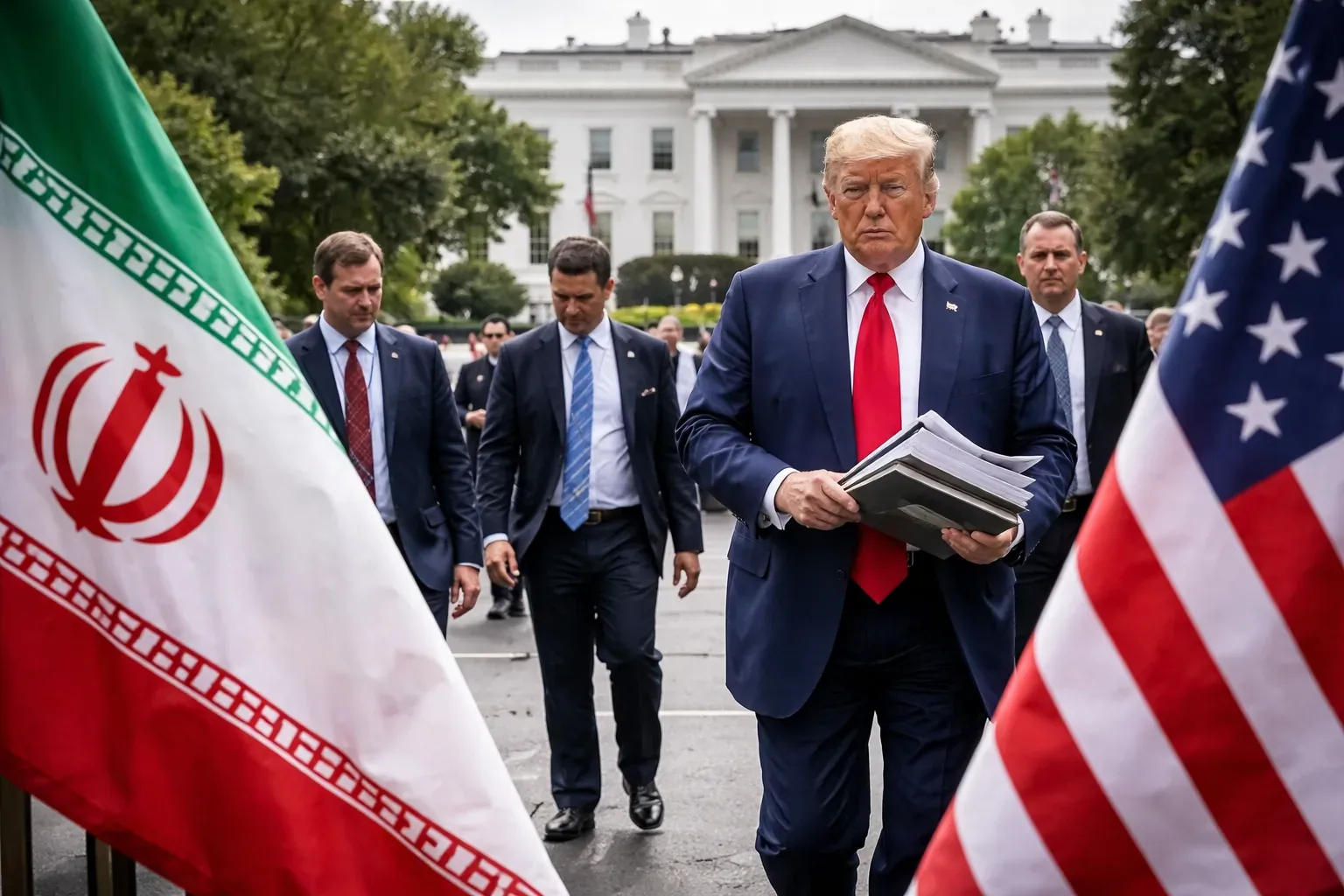
President Donald Trump has requested further amendments to a proposed deal with Iran intended to end fighting that began earlier this year. Following a high-level meeting on Friday intended to reach a final determination, the president introduced new requirements before the U.S. will commit to the framework, leaving the immediate next steps for the ceasefire extension unclear.
What's new in this update
This marks the third round of edits proposed by the president to the U.S. proposal. The latest requests specifically target the status of the Strait of Hormuz and the removal of highly enriched uranium from Iran. While the White House has not officially commented, reports indicate that the president is emphasizing specific red lines regarding nuclear capabilities and maritime access.
Key details
The latest iteration of the deal includes a 60-day cessation of violence and a framework to reopen negotiations on Iran's nuclear program. If diplomacy progresses, the agreement reportedly involves potential sanctions relief that would allow Tehran to access billions of dollars in frozen assets. U.S. Defense Secretary Pete Hegseth stated that should the deal fail to meet expectations, the U.S. maintains the military capacity to resume strikes.
Background and context
A ceasefire has been in effect since April 8, and Pakistani officials have been mediating the ongoing negotiations between Washington and Tehran. While a memorandum of understanding was reached last week pending final approval, President Trump has stated he is in no hurry to finalize the agreement, asserting that any final deal must guarantee that Iran never possesses a nuclear weapon.
What to watch next
Negotiators are expected to continue the back-and-forth exchange of amendments to the text. Iranian Foreign Minister Abbas Araghchi has characterized current reports as speculation until a clear conclusion is reached, while Pakistani mediators continue to facilitate the dialogue between the two nations.
Why this matters
The outcome of these negotiations determines the stability of global oil transit through the Strait of Hormuz and the future of Iran's nuclear capabilities.
Reader context
This story belongs to Northstar Herald's International Relations and Middle East Conflict coverage, with related entities including Donald Trump, Iran, Nuclear Program, Strait of Hormuz. The report is based on BBC World News source material.
Related coverage
Why it matters
The outcome of these negotiations determines the stability of global oil transit through the Strait of Hormuz and the future of Iran's nuclear capabilities.
Read next
Follow this story through the topic hub, more world coverage, and the latest updates.
Weekly briefing
Get the week's key developments in one concise email.
Get a fast catch-up on the biggest stories, the context behind them, and the links worth your time.
Cadence
Weekly, for a quick catch-up
Coverage
AI, business, world, security, sports
Format
Clear takeaways and useful context
Request the briefing
Leave your email to open a prepared request and get on the list for the weekly briefing.
Author

The world desk follows geopolitics, humanitarian crises, diplomacy, and major international developments with an emphasis on fast updates and public-interest context.
Sources and methodology