Trump Signals Imminent Iran Deal While Tehran Calls Reports 'Speculative'
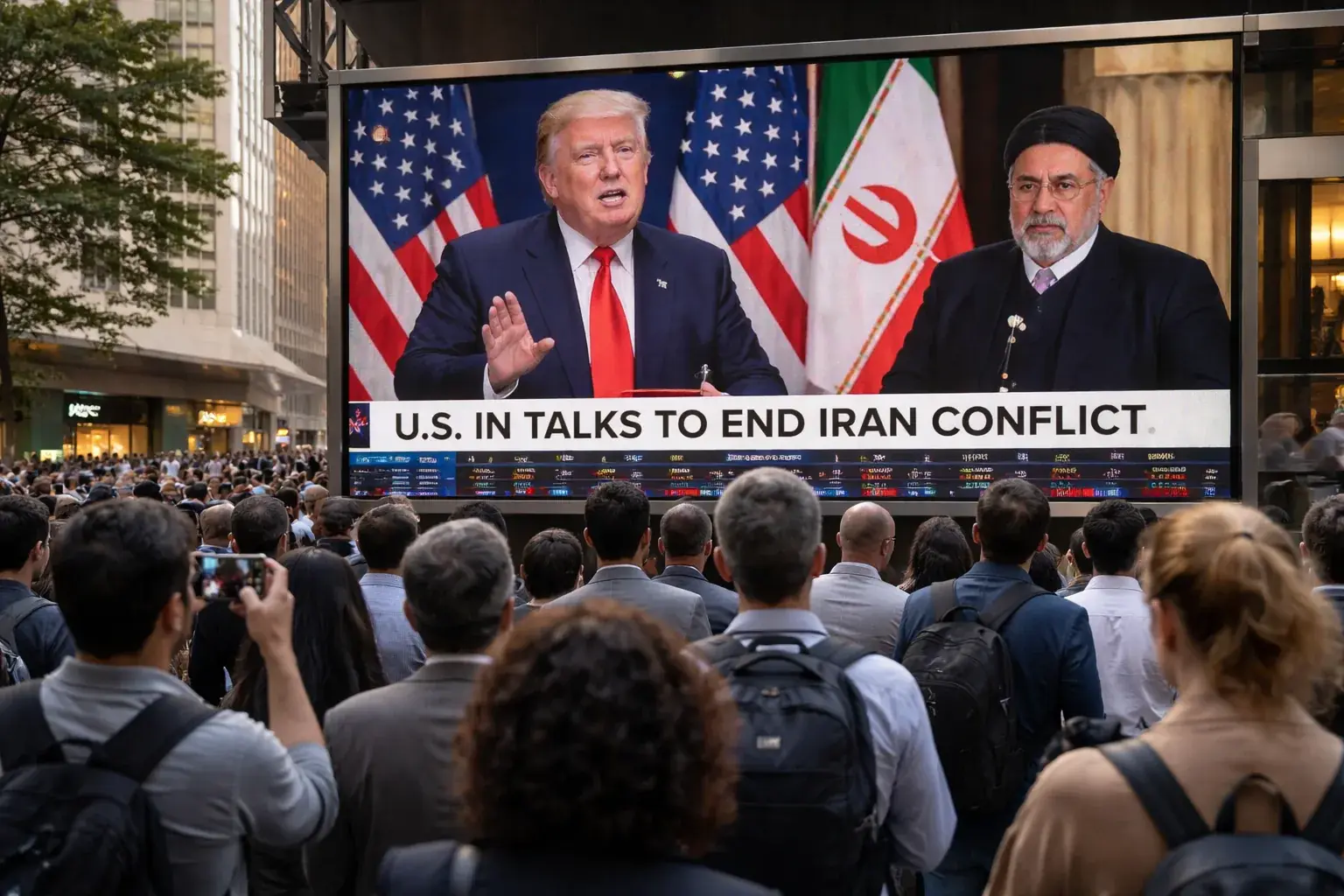
US President Donald Trump announced a settlement to end the conflict is near, but Iranian officials insist nothing has been finalized despite ongoing negotiations.
Primary source: BBC World News. Full source links, newsroom standards, and correction details are below.
Fast summary
Start here
- President Trump claims a deal is near to ensure Iran never possesses a nuclear weapon and to reopen the Strait of Hormuz.
- Iran's foreign ministry dismissed the claims as speculative, stating that 'excessive demands' by the US have prevented finalization.
- The news caused Brent crude prices to drop 4.4% to roughly $89 a barrel as markets reacted to potential de-escalation.
What happened
US President Donald Trump announced on Thursday that an agreement to end the war with Iran is close to finalization. The announcement marked a sharp pivot from hours earlier, when Trump had threatened 'very hard' strikes and suggested the US might seize Kharg Island, Iran's primary oil export terminal.
What's new in this update
While Trump stated that documents are in 'pretty final shape' for a potential signing ceremony in Europe within days, Iran’s foreign ministry spokesperson Esmail Baghaei pushed back on state TV. Baghaei labeled reports of an agreement as 'speculative,' noting that while much of the text is ready, the US has introduced 'new requests' that conflict with Iran's 'red lines.'
Key details
The proposed deal reportedly addresses Iran's nuclear ambitions and the reopening of the Strait of Hormuz, a vital passage for the world's oil and liquefied natural gas. Israeli Prime Minister Benjamin Netanyahu's office confirmed a conversation with Trump but clarified that Israel is not a party to the current memorandum of understanding, emphasizing the need for the total dismantling of enrichment infrastructure.
Background and context
Tensions peaked on February 28 following joint US and Israeli strikes on Iran. Tehran responded by targeting US-allied Gulf states and effectively closing the Strait of Hormuz. Despite a nominal ceasefire in April, intermittent tit-for-tat strikes have continued, including two rounds of military exchanges earlier this week.
What to watch next
Observers are monitoring for the formal finalization of documents and a possible diplomatic meeting in Europe. However, the conflicting accounts from Washington and Tehran suggest that significant sticking points regarding enrichment limits and missile production remain unresolved.
Why it matters
A resolution to the conflict would stabilize global energy markets and end months of direct military exchanges between the US, Israel, and Iran.
Read next
Follow this story through the topic hub, more world coverage, and the latest updates.
Weekly briefing
Get the week's key developments in one concise email.
Get a fast catch-up on the biggest stories, the context behind them, and the links worth your time.
Cadence
Weekly, for a quick catch-up
Coverage
AI, business, world, security, sports
Format
Clear takeaways and useful context
Request the briefing
Leave your email to open a prepared request and get on the list for the weekly briefing.
Author

The Northstar Herald editorial desk assembles wire-driven and source-linked coverage, verifies core facts against published materials, and updates stories as new reporting becomes available.
Sources and methodology