Shell Joins Oil Giants in Profit Surge Linked to Iran Conflict
The energy company reported $6.92 billion in first-quarter earnings as the closure of the Strait of Hormuz drove high market volatility.

World correspondent
Reports on international affairs, diplomacy, and humanitarian developments with an emphasis on official statements, multilateral institutions, and regional context.
Editorial responsibility: Lead reviewer for geopolitics, international institutions, and crisis coverage
Primary source: BBC World News. Full source links and update notes are below.
Fast summary
Start here
- Shell's $6.92bn profit for Q1 exceeded analyst expectations and surpassed the $5.58bn recorded in the same period last year.
- Global oil prices have seen extreme volatility, peaking above $120 a barrel due to the effective closure of the Strait of Hormuz.
- Despite the profit surge, Shell's actual oil and gas output fell by 4% due to conflict-related disruptions at facilities in Qatar.
What happened
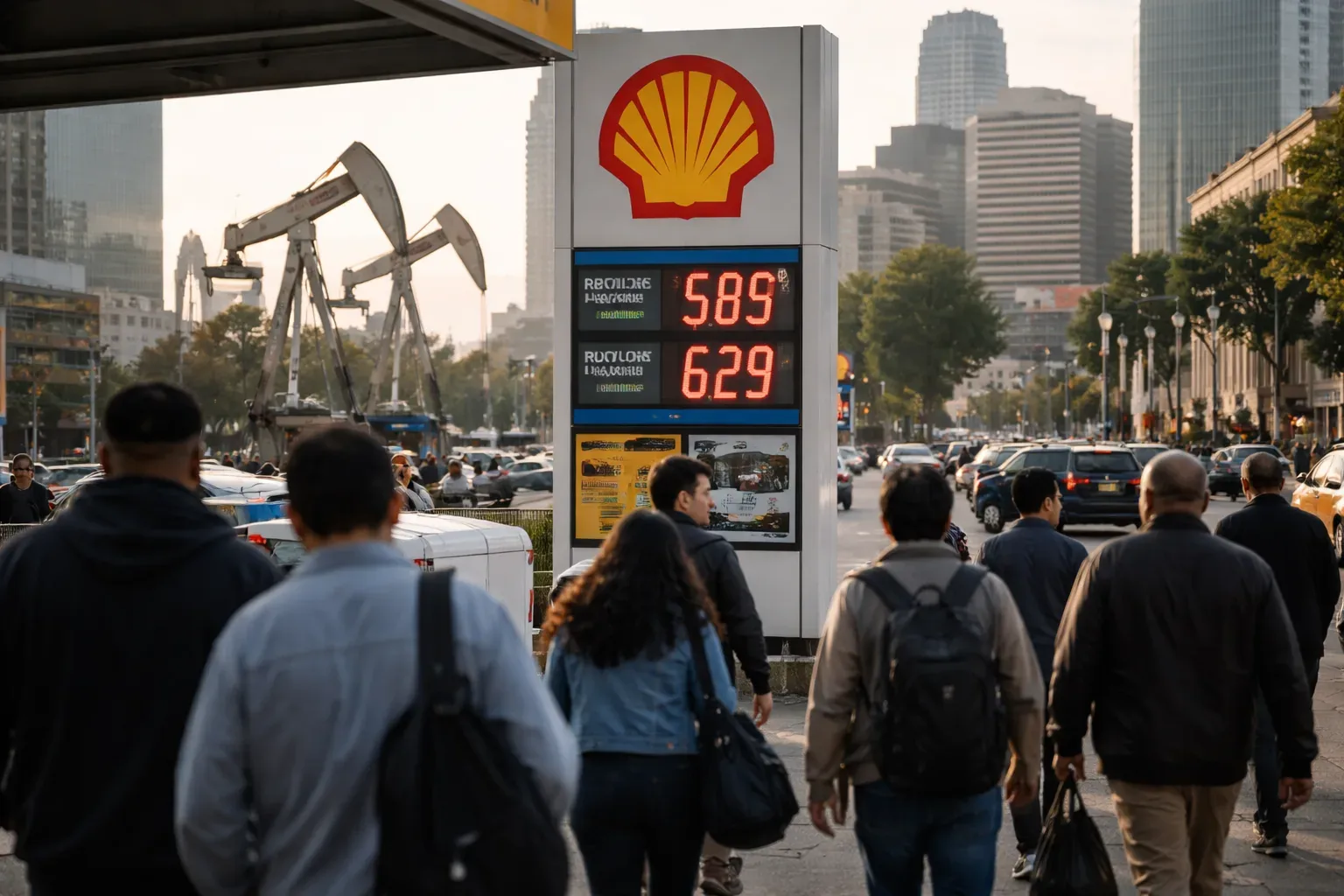
Shell has reported first-quarter profit of $6.92 billion, joining a broader pattern in which major energy companies have benefited from extreme market volatility linked to conflict in the Middle East and disruption around the Strait of Hormuz. The result beat expectations and came despite a fall in parts of Shell's own oil and gas output, showing how powerful trading conditions and pricing shifts have become in determining corporate performance.
The headline profit figure matters because it sits alongside rising political anger over household energy costs and renewed debate about whether companies like Shell should face tougher windfall taxes when geopolitical conflict pushes fuel prices upward. In this case, the company's earnings are not simply a business story. They are also a public policy story.
What's new in this update
Shell said that strong trading and refining margins helped offset production weakness, including disruption in Qatar tied to the regional conflict. That means the company was able to transform instability into stronger financial performance even while some of its physical operations were directly affected by the same crisis.
The company also completed a major deal for Canadian shale producer ARC Resources, reinforcing the sense that Shell is using a period of elevated profits to strengthen its longer-term position. For critics, that is likely to deepen the argument that crisis-era gains are being consolidated faster than consumers are being protected.
Key details
Brent crude rose sharply as conflict around Iran and the effective closure of the Strait of Hormuz threatened one of the world's most important energy chokepoints. Because around a fifth of global oil and LNG shipments normally transit the strait, every disruption there has immediate consequences for price expectations, energy security, and market psychology.
Shell reported that output fell by about 4 percent, yet the company still outperformed because price volatility and refining conditions more than compensated for those operational setbacks. In other words, production alone did not define the quarter. Market turbulence did.
Background and context
The energy industry has repeatedly posted major profits during global crises, from post-pandemic recovery to war-driven supply shocks. Each time, the same question resurfaces: when companies such as Shell earn windfall-style returns because conflict lifts prices, should those gains remain largely private or be taxed more heavily to offset consumer pain?
In the United Kingdom and elsewhere, that question has already influenced policy, but existing windfall-tax structures often apply only to specific domestic extraction profits rather than the full global earnings profile of multinational companies. That gap helps explain why Shell can face political criticism while still remaining only partially exposed to targeted tax measures.
What to watch next
The next key variable is the duration of Middle East disruption and the status of the Strait of Hormuz. If the crisis persists, Shell and other energy majors may continue operating in a market that supports elevated profits even when physical supply chains are under strain.
Governments will also face growing pressure to respond if household energy bills rise sharply again. In that scenario, Shell's profit figure is likely to become part of a broader debate about fairness, taxation, and who benefits when war distorts the global energy market.
Why this matters
This matters because Shell's $6.92 billion quarter illustrates how energy majors can post enormous profits during periods of geopolitical instability that hurt households and destabilize the wider economy. The result sharpens calls for stronger windfall taxes, closer scrutiny of oil-sector gains, and harder questions about whether energy-market crises are being absorbed by the public while profits remain concentrated at the top.
Reader context
This story belongs to Northstar Herald's Energy Sector and Global Economy coverage, with related entities including Shell, Oil Prices, Iran War, Energy Profits. The report is based on BBC World News source material.
Related coverage
Why it matters
Record earnings for oil majors during geopolitical instability are fueling calls for stricter windfall taxes as consumer energy bills are projected to rise.
Read next
Follow this story through the topic hub, more world coverage, and the latest updates.
Weekly briefing
Get the week's key developments in one concise email.
Get a fast catch-up on the biggest stories, the context behind them, and the links worth your time.
Cadence
Weekly, for a quick catch-up
Coverage
AI, business, world, security, sports
Format
Clear takeaways and useful context
Request the briefing
Leave your email to open a prepared request and get on the list for the weekly briefing.
About the byline
World correspondent
Leila Haddad covers world affairs, diplomacy, and humanitarian crises, with a focus on how fast-moving international developments affect public policy, conflict response, and cross-border institutions.
Sources and methodology