Nicaraguan Indigenous Leader Brooklyn Rivera Dies After Years in Detention
The 73-year-old founder of the Yatama movement died following what officials described as neurological deterioration, drawing sharp criticism from the U.S. and human rights groups.
Primary source: BBC World News. Full source links and update notes are below.
Fast summary
Start here
- Brooklyn Rivera died Sunday in a Managua hospital while under the custody of the Nicaraguan government.
- Official reports cite 'physical and neurological deterioration' linked to a Covid-19 infection and renal failure.
- The U.S. State Department and Amnesty International have condemned the treatment of Rivera, calling his imprisonment unjust and inhumane.
What happened
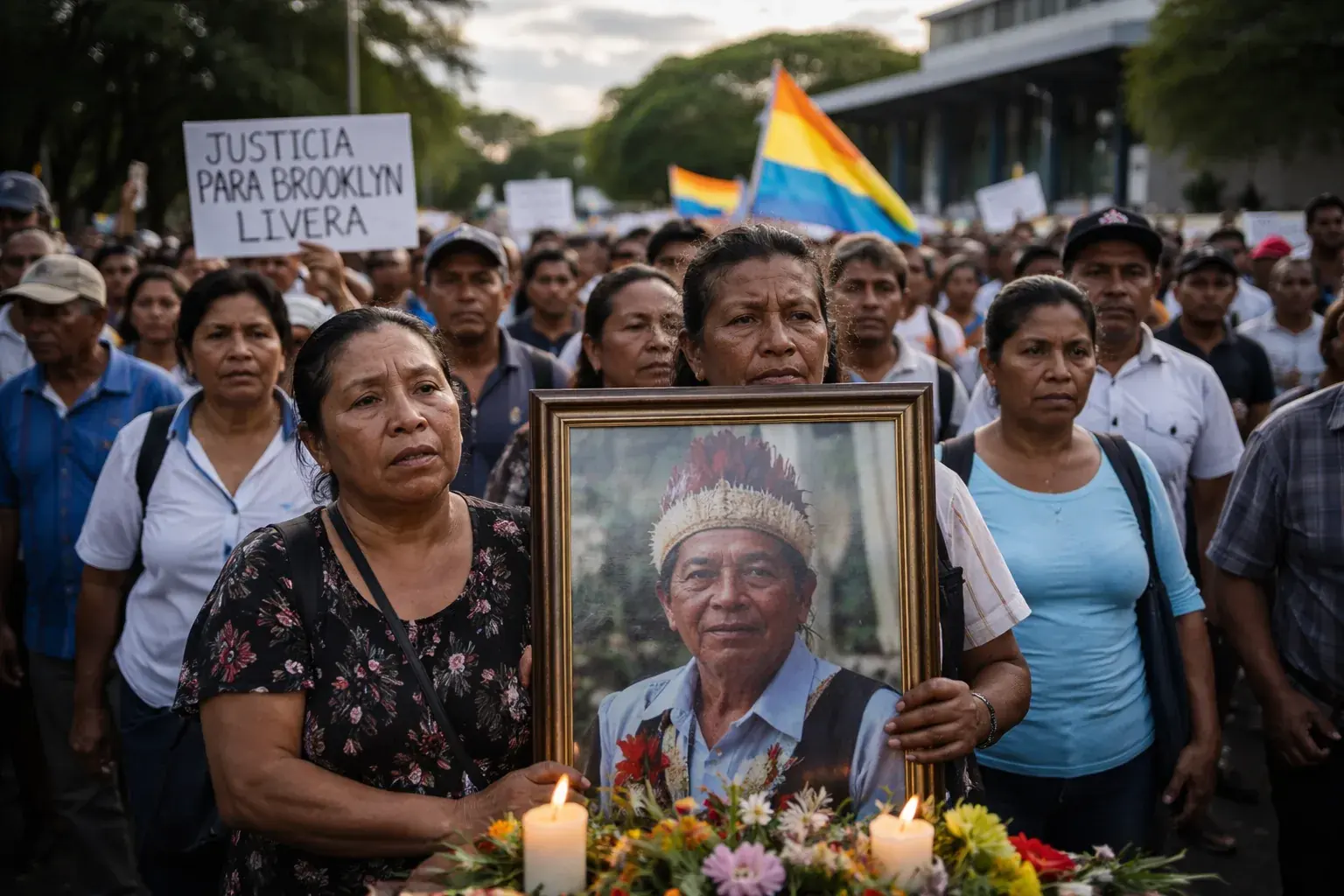
Brooklyn Rivera, the founder of Nicaragua's indigenous Yatama movement and a former member of the National Assembly, has died after being held in state custody for nearly three years. The Nicaraguan Ministry of Health confirmed his passing on Sunday, attributing it to a combination of respiratory infection, renal failure, and cerebral edema associated with severe neurological injury.
What's new in this update
The Nicaraguan government took 15 hours to confirm the death and is reportedly refusing to release Rivera's body to his family. The Ministry of Health recently released an image of an emaciated Rivera on a ventilator, a move the U.S. State Department described as an attempt to conceal the regime's central role in his cruel treatment.
Key details
Rivera was 73 at the time of his death. He had been hospitalized in the capital, Managua, since early March, though the government only recently acknowledged his condition following international pressure. Rights activists, including Bianca Jagger, have held President Daniel Ortega's regime directly responsible for the death, noting a pattern of political prisoners dying in state custody.
Background and context
Rivera had a long history of activism for indigenous autonomy. In the 1980s, he led an indigenous militia that fought alongside the Contras against the Sandinista revolutionary government. Although he later served in the National Assembly four times, he remained a critic of Ortega's authoritarian turn and was arbitrarily detained after returning to his home in September 2023.
What to watch next
Human rights organizations and the Inter-American Legal Assistance Center for Human Rights are calling for criminal accountability for those responsible for Rivera's treatment. The international community is likely to increase pressure on the Ortega administration regarding the welfare of other remaining political prisoners in the country.
Why it matters
Rivera's death highlights the deteriorating human rights situation in Nicaragua and the extreme risks faced by indigenous leaders and political dissidents under the Ortega administration.
Read next
Follow this story through the topic hub, more world coverage, and the latest updates.
Weekly briefing
Get the week's key developments in one concise email.
Get a fast catch-up on the biggest stories, the context behind them, and the links worth your time.
Cadence
Weekly, for a quick catch-up
Coverage
AI, business, world, security, sports
Format
Clear takeaways and useful context
Request the briefing
Leave your email to open a prepared request and get on the list for the weekly briefing.
Author
See who assembled this story and follow more of their work.
Sources and methodology