Moroccan Captain Achraf Hakimi to Face Rape Trial in France
A French judge has ordered the Paris St-Germain defender to stand trial in February 2026, a decision the player says he welcomes to finally share his side.

World correspondent
Reports on international affairs, diplomacy, and humanitarian developments with an emphasis on official statements, multilateral institutions, and regional context.
Editorial responsibility: Lead reviewer for geopolitics, international institutions, and crisis coverage
Primary source: BBC World News. Full source links and update notes are below.
Fast summary
Start here
- An investigating judge in Nanterre has ordered a February 2026 trial date for Achraf Hakimi following a 2023 rape accusation.
- Hakimi, who maintains his innocence, recently failed in a legal appeal to have the trial dismissed.
- The ongoing legal case may create travel restrictions for Hakimi if Morocco advances to World Cup knockout stages in Canada or Mexico.
What happened
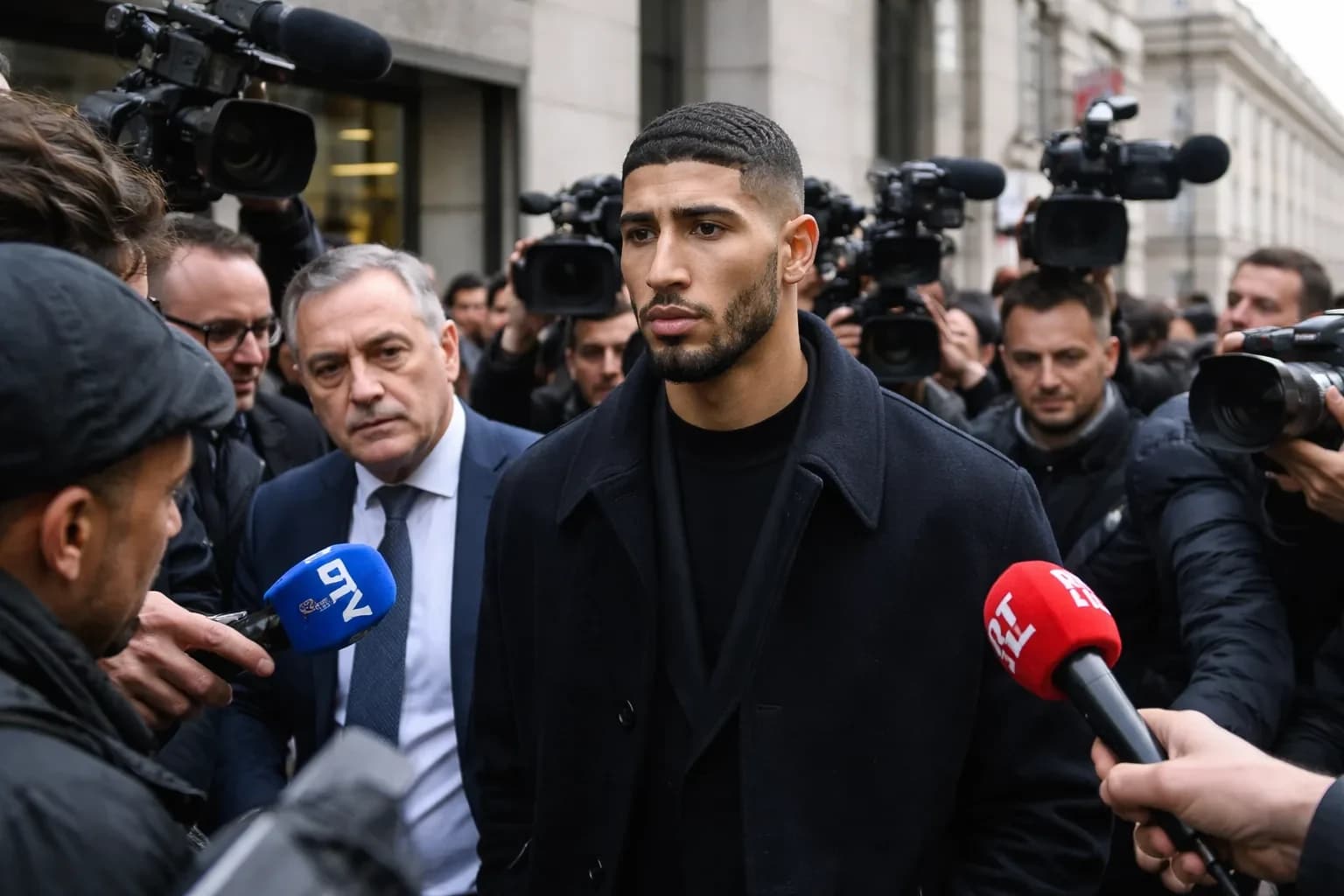
Achraf Hakimi has been ordered to stand trial in France over rape allegations, with proceedings set for February 2026. Hakimi, the Morocco captain and Paris Saint-Germain defender, has denied the accusation throughout the investigation. The decision to move forward to trial is significant because it transforms a long-running legal case from an investigative process into a scheduled courtroom confrontation with direct implications for one of world football's most recognizable players.
That makes the Achraf Hakimi trial story about more than legal procedure. It sits at the intersection of athlete accountability, due process, public reputation, and tournament logistics at a moment when international football is already building toward the 2026 World Cup.
What the trial decision means
An order to stand trial does not determine guilt, but it does indicate that the investigative phase has advanced far enough for the court to formally test the case. That matters in public terms because many celebrity legal controversies remain indefinitely in rumor, negotiation, or procedural ambiguity. A scheduled trial sharpens the timeline and raises the stakes for everyone involved.
For Hakimi, it means the case can no longer be treated primarily as background controversy. It becomes a concrete legal event that clubs, sponsors, governing bodies, and fans will have to account for more directly.
Why the timing matters
The February 2026 date is important not only because it sets the legal calendar, but because it lands in a broader football context that includes major international competition planning. Hakimi is not just a club player. He is a central figure for Morocco, one of the most visible football nations outside the traditional European-South American power core, especially after its recent rise on the world stage.
That means the trial may influence not only reputational discourse but also practical issues such as movement, scheduling, and access if the legal process creates travel complications. In the modern football economy, those constraints can become almost as consequential as the sporting questions themselves.
The football and legal overlap
Cases involving elite athletes often produce two simultaneous narratives that move at different speeds. The legal system works through evidence, hearings, and formal procedure. The sports world works through selection decisions, club messaging, fan perception, and sponsorship sensitivity. Hakimi's situation now sits in both worlds at once.
That matters because even before a verdict, a major trial can alter how a player is discussed publicly and how institutions around him behave. Clubs and federations may choose caution, neutrality, or public support, but none of them can pretend the case is irrelevant once the court process enters a fixed trial phase.
Background and context
Hakimi is one of the most high-profile defenders in world football, with club success at Paris Saint-Germain and major symbolic value for Morocco's national team. That prominence makes the case especially sensitive. The more globally visible the athlete, the greater the pressure on institutions to show they take legal proceedings seriously while also respecting due process.
This tension is not unique to football, but the sport magnifies it because international competition turns individual player status into national emotional investment. That is particularly true when the player is also a captain.
What to watch next
The immediate focus is on the legal calendar: procedural details, pretrial developments, and whether Hakimi's side pursues any further strategic challenges ahead of the hearing. Beyond that, observers will watch how Paris Saint-Germain and Morocco manage his public status, and whether any travel or entry issues become relevant as major tournaments approach.
Why this matters
The Achraf Hakimi trial matters because it places one of football's most prominent defenders under direct judicial scrutiny while raising broader questions about how elite sport handles serious criminal allegations, public credibility, and the practical consequences of a high-profile legal case during a World Cup cycle.
Why it matters
The trial involves one of global football's most prominent defenders and raises significant questions regarding athlete accountability and potential visa restrictions during a major international tournament.
Read next
Follow this story through the topic hub, more world coverage, and the latest updates.
Weekly briefing
Get the week's key developments in one concise email.
Get a fast catch-up on the biggest stories, the context behind them, and the links worth your time.
Cadence
Weekly, for a quick catch-up
Coverage
AI, business, world, security, sports
Format
Clear takeaways and useful context
Request the briefing
Leave your email to open a prepared request and get on the list for the weekly briefing.
About the byline
World correspondent
Leila Haddad covers world affairs, diplomacy, and humanitarian crises, with a focus on how fast-moving international developments affect public policy, conflict response, and cross-border institutions.
Sources and methodology