Meta Pulls Instagram AI Tool After Backlash Over Likeness Rights
Following a swift public outcry, Meta has withdrawn a new Instagram feature that allowed users to create AI images using the likenesses of public accounts.

World correspondent
Reports on international affairs, diplomacy, and humanitarian developments with an emphasis on official statements, multilateral institutions, and regional context.
Editorial responsibility: Lead reviewer for geopolitics, international institutions, and crisis coverage
Primary source: BBC World News. Full source links and update notes are below.
Fast summary
Start here
- Meta abruptly disabled the Muse Image tool just days after its launch following widespread privacy complaints.
- The feature allowed users to tag public accounts and use their photos to generate new AI-altered content without consent.
- Labor unions and human rights groups like Sag-Aftra and Privacy International hailed the move as a victory for individual digital rights.
What happened
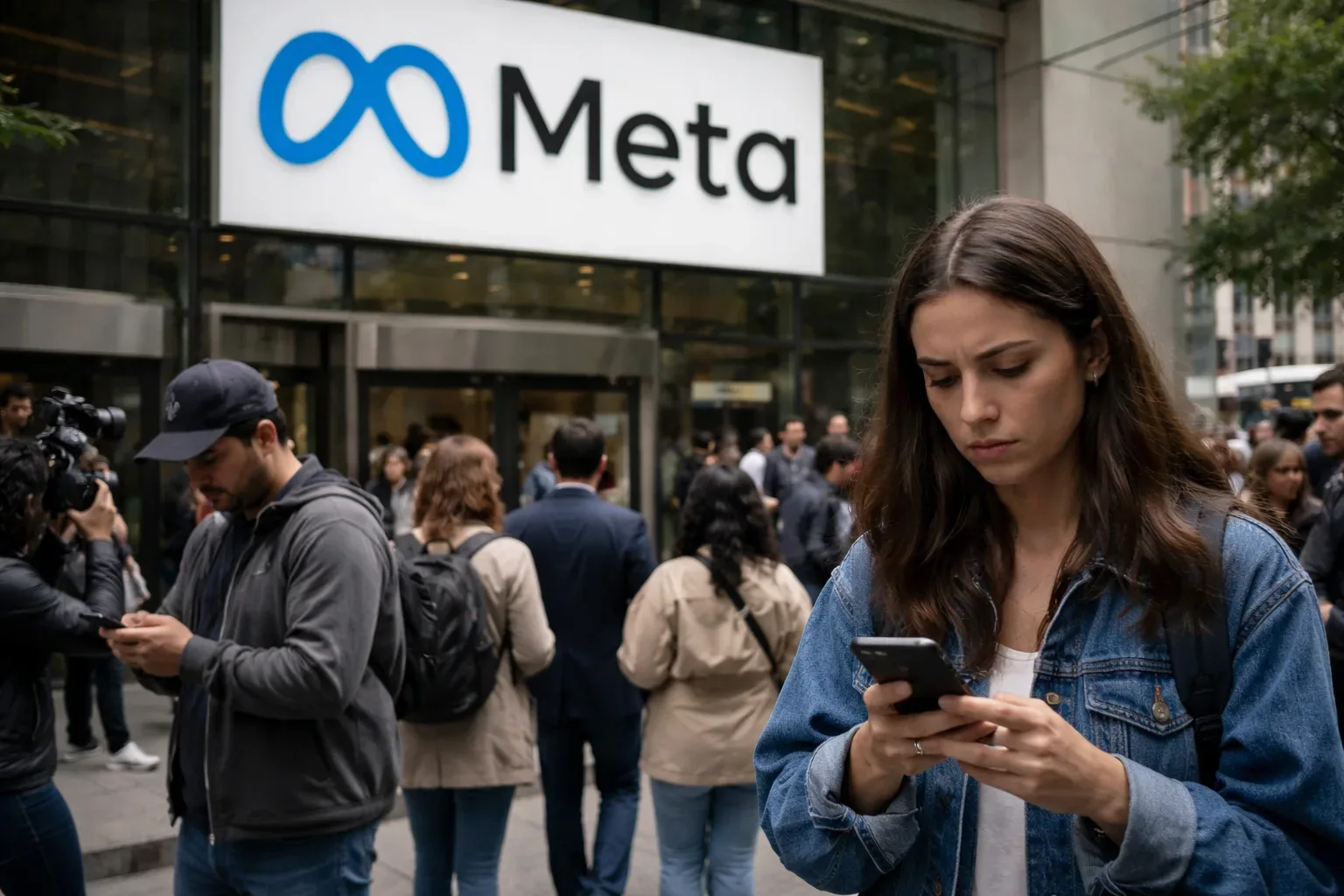
Meta has officially withdrawn its controversial Muse Image tool from Instagram after a wave of criticism concerning user privacy and the unauthorized exploitation of personal data. The feature, part of a broad generative AI rollout, allowed users of the Meta AI chatbot to tag public accounts and use those images to create new AI-generated content. Because the feature was enabled by default, many users found their likenesses being used as training material without their knowledge or permission. Meta admitted the tool missed the mark and promptly made it unavailable to the public, marking a significant retraction for the social media giant.
What's new in this update
The shutdown follows an immediate and vocal response from major labor organizations and digital rights advocates. Sag-Aftra, the union representing Hollywood performers, described the decision to pull the tool as a significant win for its members and the general public. The union had earlier urged all Instagram users to take action to protect their digital identities, citing an utter miscalculation by Meta regarding the dangers of such technology. By acknowledging the negative feedback so quickly, Meta has signaled a rare retreat from its aggressive AI integration strategy, admitting that public sentiment against likeness exploitation is a formidable barrier to feature adoption.
Key details
The core of the controversy centered on the Muse Image tool's default settings, which automatically opted in every public Instagram account. This meant that any user with a public profile could have their face and content utilized by third parties to generate derivative AI art. Privacy International, a London-based human rights charity, argued that this move treated individual people as raw material for corporate exploitation. While Meta claimed its intent was to offer a creative tool with user controls, the lack of transparency in how public content was referenced led to accusations that the company was prioritizing data harvesting over user safety and informed consent.
Background and context
Muse Image was Meta's flagship entry into the consumer-facing AI image generation market. At its launch, the firm announced that while the feature was initially limited to Instagram, it planned to expand AI integrations across its entire suite of apps, including WhatsApp, Messenger, and Facebook. This rollout is part of a larger trend where social media giants are rushing to deploy generative AI to maintain engagement and compete with platforms like OpenAI and Google. Meta is also known to be developing a specialized AI video tool. The recent backlash underscores the difficulty tech companies face when trying to apply large-scale AI models to platforms built on personal content.
What to watch next
Although Muse Image has been sidelined, Meta’s commitment to generative AI remains a core part of its business strategy. Industry observers expect the company to re-evaluate its consent models, likely moving toward explicit opt-in requirements for future AI features to avoid similar PR crises. The success of Sag-Aftra and privacy groups in forcing this U-turn may set a precedent for how other tech firms handle public data in the training of AI models. Additionally, the focus will now shift to Meta’s upcoming AI video and messaging tools to see if the lessons learned from this incident lead to more robust privacy safeguards and better public engagement.
Why it matters
This reversal signals a growing tension between rapid AI deployment and the rights of individuals to control their digital likeness and personal data.
Read next
Follow this story through the topic hub, more world coverage, and the latest updates.
Weekly briefing
Get the week's key developments in one concise email.
Get a fast catch-up on the biggest stories, the context behind them, and the links worth your time.
Cadence
Weekly, for a quick catch-up
Coverage
AI, business, world, security, sports
Format
Clear takeaways and useful context
Request the briefing
Leave your email to open a prepared request and get on the list for the weekly briefing.
About the byline
World correspondent
Leila Haddad covers world affairs, diplomacy, and humanitarian crises, with a focus on how fast-moving international developments affect public policy, conflict response, and cross-border institutions.
Sources and methodology