Netanyahu Authorizes Beirut Strikes Amid Strategic Advance in Southern Lebanon
Israeli forces seize a historic 12th-century castle across the Litani river as US mediators attempt to broker a new de-escalation agreement.
Primary source: BBC World News. Full source links, newsroom standards, and correction details are below.
Fast summary
Start here
- Prime Minister Benjamin Netanyahu ordered attacks on Hezbollah's stronghold in Dahieh, citing violations of a failed US-brokered ceasefire.
- Israeli ground troops crossed the Litani river to capture Beaufort Castle, a strategically vital site on a high ridge.
- US Secretary of State Marco Rubio is mediating a proposal for Lebanon to pressure Hezbollah to stop attacks in exchange for a halt in Beirut strikes.
What happened
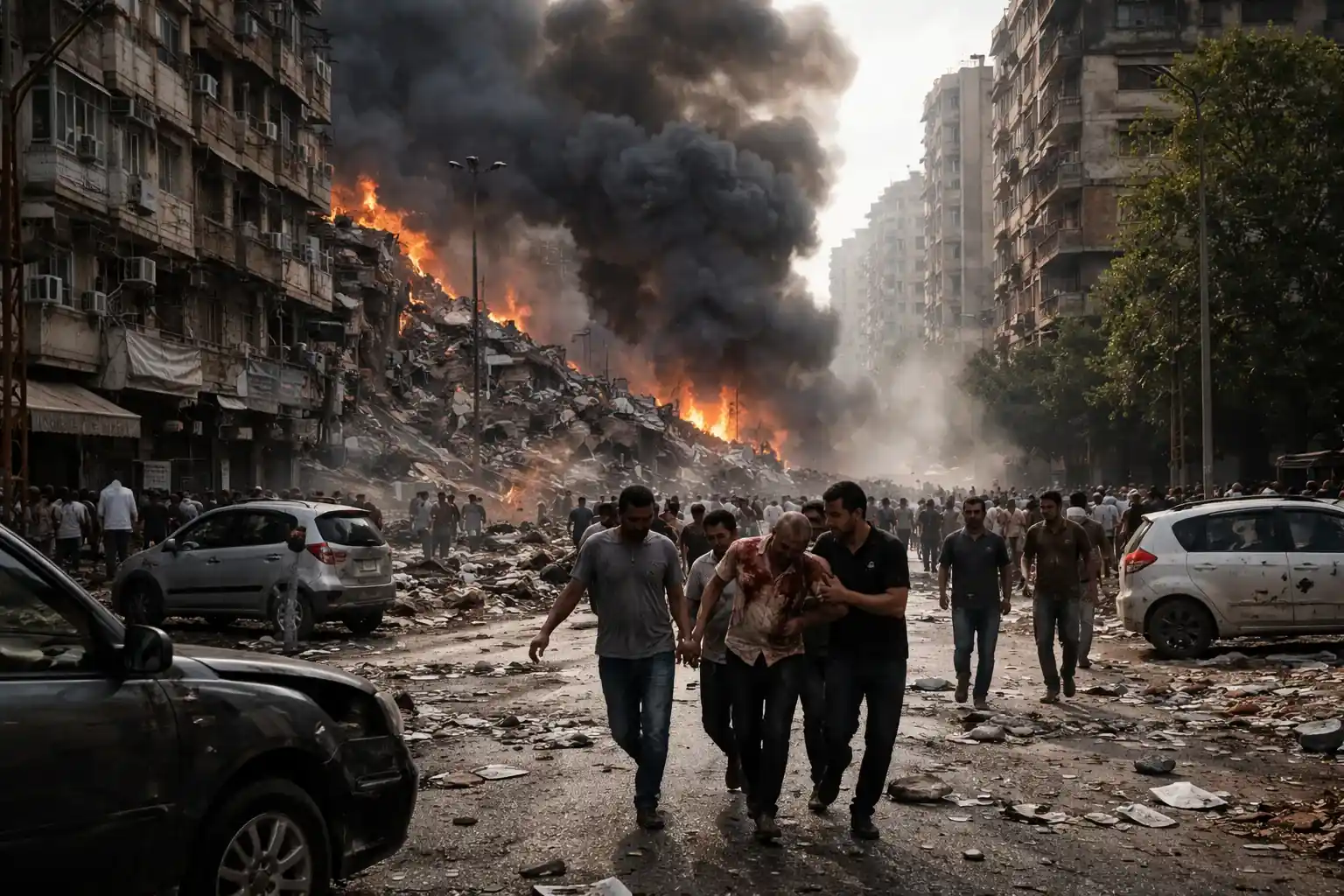
Israel's Prime Minister Benjamin Netanyahu has authorized new military strikes on the southern suburbs of Beirut, targeting the Hezbollah stronghold of Dahieh. The move comes as Israeli officials claim the Iran-backed group has violated a previous US-brokered ceasefire agreement. Simultaneously, Israeli ground forces have pushed further into southern Lebanon, establishing control over high-ground positions.
What's new in this update
Israeli troops have successfully crossed the Litani river to seize Beaufort Castle, a 900-year-old fortification located on a strategic ridge. In the diplomatic sphere, US Secretary of State Marco Rubio has engaged in talks with Israeli and Lebanese leaders, proposing a reciprocal de-escalation where Israel would refrain from strikes in Beirut if Lebanese officials can successfully pressure Hezbollah to cease attacks on Israeli civilians.
Key details
The Lebanese health ministry reports that the death toll in Lebanon has reached at least 3,371 since the conflict began, though the figures do not specify the ratio of combatants to civilians. On the Israeli side, 24 soldiers and four civilians have been killed. Defense Minister Israel Katz emphasized that the military campaign is not yet over, stating a determination to dismantle Hezbollah's regional power.
Background and context
The conflict intensified significantly on March 2, when Hezbollah launched a rocket campaign against Israel in retaliation for the killing of Iran's supreme leader. This triggered a massive Israeli response, including an air campaign across Lebanon and a ground invasion. Lebanese Prime Minister Nawaf Salam has since accused Israel of pursuing a 'scorched-earth policy' against the country.
What to watch next
The success of the US mediation efforts remains uncertain as Lebanese officials attempt to exert influence over Hezbollah. Observers are closely monitoring whether the capture of Beaufort Castle signals a broader Israeli intent to maintain long-term positions north of the Litani river, which would mark a major shift in the conflict's geography.
Why this matters
The escalation marks a significant expansion of Israeli military operations deeper into Lebanese territory and threatens the collapse of ongoing diplomatic efforts led by the United States.
Reader context
This story belongs to Northstar Herald's International Relations and Middle East Conflict coverage, with related entities including Israel, Lebanon, Hezbollah, Beirut. The report is based on BBC World News source material.
Related coverage
Why it matters
The escalation marks a significant expansion of Israeli military operations deeper into Lebanese territory and threatens the collapse of ongoing diplomatic efforts led by the United States.
Read next
Follow this story through the topic hub, more world coverage, and the latest updates.
Weekly briefing
Get the week's key developments in one concise email.
Get a fast catch-up on the biggest stories, the context behind them, and the links worth your time.
Cadence
Weekly, for a quick catch-up
Coverage
AI, business, world, security, sports
Format
Clear takeaways and useful context
Request the briefing
Leave your email to open a prepared request and get on the list for the weekly briefing.
Author

The world desk follows geopolitics, humanitarian crises, diplomacy, and major international developments with an emphasis on fast updates and public-interest context.
Sources and methodology