Israel Orders Evacuation of Lebanese City of Tyre Following Air Strikes
The Israeli military cited ceasefire violations for its renewed offensive, marking a significant escalation in the ongoing conflict with Hezbollah.
Primary source: BBC World News. Full source links, newsroom standards, and correction details are below.
Fast summary
Start here
- Israeli forces ordered residents of Tyre to evacuate after targeting Hezbollah positions in and around the city.
- Prime Minister Benjamin Netanyahu announced an expansion of ground operations following drone attacks on Israeli troops and civilians.
- The Lebanese health ministry reports over 3,213 deaths since the conflict began in March, with recent strikes killing dozens more.
What happened
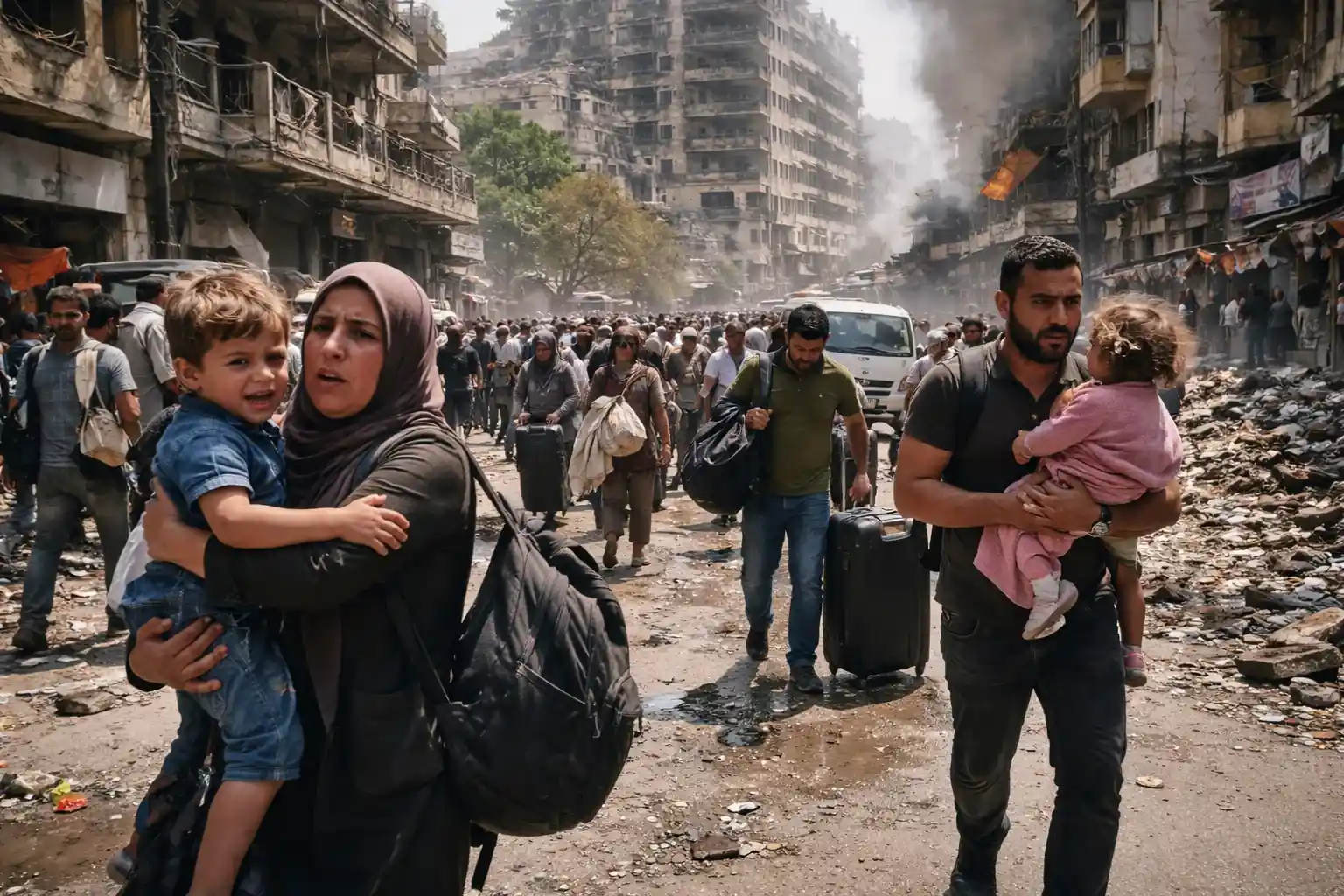
The Israeli military has issued mandatory evacuation orders for the southern Lebanese city of Tyre and its surrounding districts. This move follows a new wave of air strikes that Israel states are directed at Hezbollah infrastructure. The military claimed it was compelled to act forcefully due to Hezbollah violations of a US-brokered ceasefire that has been in place for five weeks.
What's new in this update
On Wednesday, Israeli strikes hit multiple locations including Burj al-Shamali near Tyre, where at least 15 people were killed, and the town of Choukine. Prime Minister Benjamin Netanyahu officially announced an expansion of ground operations in southern Lebanon. This decision came after Hezbollah drone attacks targeted Israeli troops occupying southern Lebanese territory and civilians in northern Israel.
Key details
Hezbollah reports active combat with Israeli troops north of the Litani river, approximately 30km from the border. According to the Lebanese health ministry, the death toll in Lebanon has reached at least 3,213 people since the start of the conflict on March 2. On the Israeli side, 23 soldiers and four civilians have been killed during the same period.
Background and context
The current ceasefire began on April 16 and has been extended twice. However, both Israel and Hezbollah have consistently accused one another of breaches. Lebanon was initially drawn into the conflict following a Hezbollah rocket barrage on March 2, launched in retaliation for an Israeli strike that killed an Iranian leader. This led to a sustained Israeli air campaign and a subsequent ground invasion.
What to watch next
The intensification of military action poses a significant threat to ongoing negotiations aimed at ending the war. While the US and Israel are involved in these talks, Iran insists that any resulting deal must provide comprehensive coverage for Lebanon. Israel maintains that it reserves the right to continue military action to neutralize threats from Hezbollah regardless of diplomatic progress.
Why this matters
The recent escalation threatens to derail fragile US-brokered diplomatic talks and risks a broader regional confrontation involving Iran.
Reader context
This story belongs to Northstar Herald's International Relations and Middle East Conflict coverage, with related entities including Israel, Hezbollah, Lebanon, Tyre. The report is based on BBC World News source material.
Related coverage
Why it matters
The recent escalation threatens to derail fragile US-brokered diplomatic talks and risks a broader regional confrontation involving Iran.
Read next
Follow this story through the topic hub, more world coverage, and the latest updates.
Weekly briefing
Get the week's key developments in one concise email.
Get a fast catch-up on the biggest stories, the context behind them, and the links worth your time.
Cadence
Weekly, for a quick catch-up
Coverage
AI, business, world, security, sports
Format
Clear takeaways and useful context
Request the briefing
Leave your email to open a prepared request and get on the list for the weekly briefing.
Author

The world desk follows geopolitics, humanitarian crises, diplomacy, and major international developments with an emphasis on fast updates and public-interest context.
Sources and methodology