DR Congo Abandons Domestic Training Camp Over Ebola and US Travel Bans
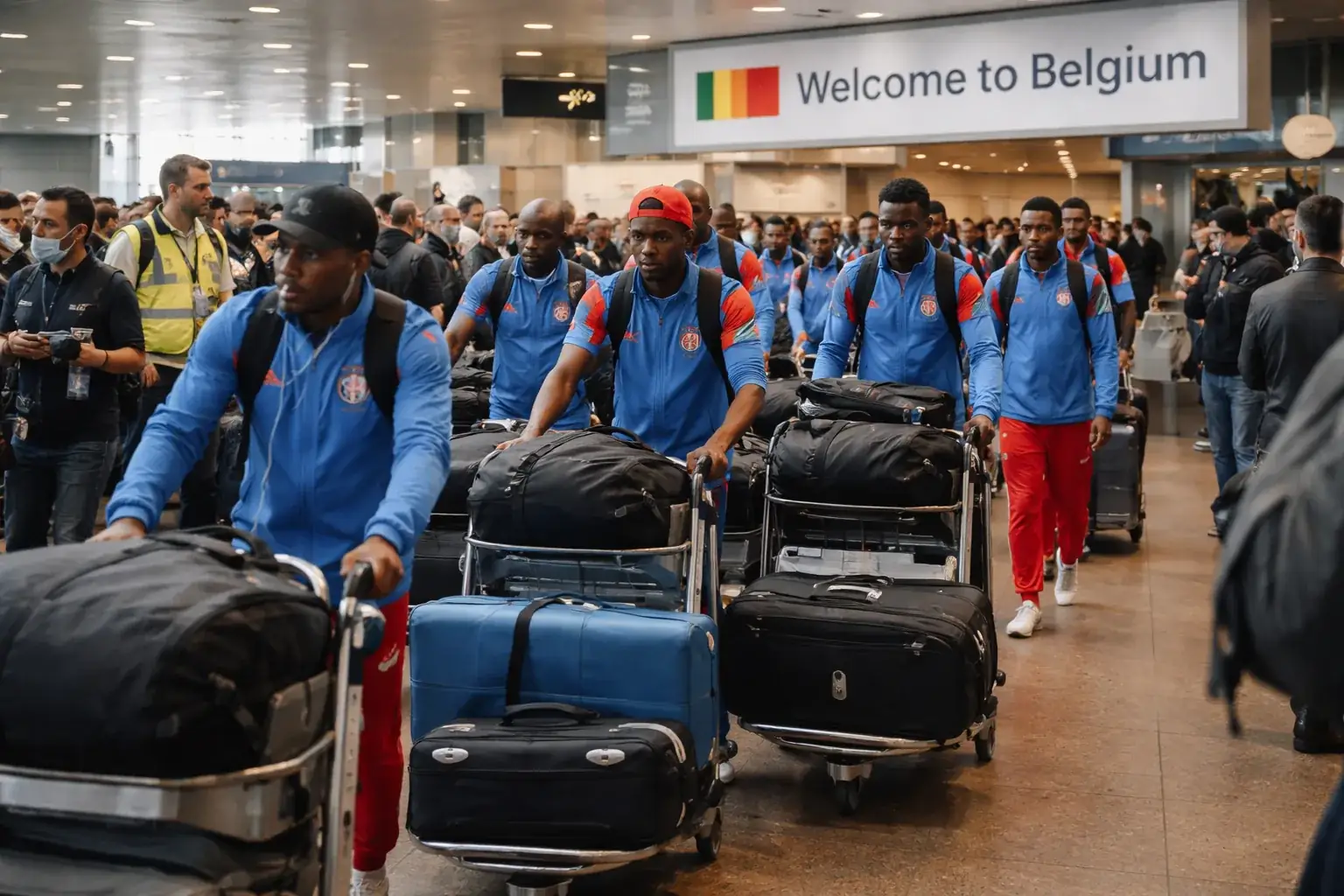
The national football team will move preparations to Belgium to ensure eligibility for the World Cup following a public health emergency in the country's east.
Primary source: BBC World News. Full source links, newsroom standards, and correction details are below.
Fast summary
Start here
- The Congolese national team moved its training camp from Kinshasa to Belgium to avoid entry restrictions imposed by the US government.
- Health authorities report that an Ebola outbreak in the Ituri province has killed between 139 and 159 people.
- The outbreak involves the rare Bundibugyo species of Ebola, for which no vaccine currently exists.
What happened
The Democratic Republic of Congo (DRC) has cancelled its scheduled national football team training camp in the capital, Kinshasa, relocating preparations to Belgium. The decision was prompted by an Ebola outbreak in the eastern part of the country which has been declared a public health emergency of international concern by the World Health Organization (WHO).
What's new in this update
A spokesperson for the DRC team confirmed that the relocation was specifically driven by travel restrictions from the United States, a co-host of this summer's World Cup. US health agencies have prohibited entry for non-citizens who have been in the DRC, Uganda, or South Sudan within the 21 days prior to arrival. By moving the camp to Europe, the squad—whose players and coaching staff are already based outside the DRC—avoids triggering these travel bans.
Key details
The outbreak is concentrated in the Ituri province, roughly 1,800 km from Kinshasa. Despite the distance, the WHO has noted 600 suspected cases and 139 deaths, while Congolese Health Minister Samuel Roger Kamba reported a higher death toll of 159. The infection is caused by the Bundibugyo species of Ebola; the WHO indicates a vaccine for this specific strain could take up to nine months to become available.
Background and context
This year marks the DRC's first qualification for the FIFA World Cup finals since 1974, when the nation competed as Zaire. The team was originally scheduled to host high-profile events in Kinshasa attended by President Felix Tshisekedi before the health crisis and international travel protocols necessitated the move to Belgium.
What to watch next
The Congolese squad will continue its preparation in Europe with scheduled friendly matches against Denmark on June 3 in Belgium and Chile on June 9 in Spain. Health officials will continue to monitor the eastern provinces to contain the spread of the Bundibugyo strain while international sporting bodies coordinate on potential further impact to regional travel.
Why this matters
This logistical shift is necessary for the DRC to participate in its first World Cup since 1974 without being blocked by host-nation health security protocols.
Reader context
This story belongs to Northstar Herald's International Relations coverage, with related entities including Democratic Republic of Congo, Ebola, FIFA World Cup, Public Health. The report is based on BBC World News source material.
Related coverage
Why it matters
This logistical shift is necessary for the DRC to participate in its first World Cup since 1974 without being blocked by host-nation health security protocols.
Read next
Follow this story through the topic hub, more world coverage, and the latest updates.
Weekly briefing
Get the week's key developments in one concise email.
Get a fast catch-up on the biggest stories, the context behind them, and the links worth your time.
Cadence
Weekly, for a quick catch-up
Coverage
AI, business, world, security, sports
Format
Clear takeaways and useful context
Request the briefing
Leave your email to open a prepared request and get on the list for the weekly briefing.
Author

The world desk follows geopolitics, humanitarian crises, diplomacy, and major international developments with an emphasis on fast updates and public-interest context.
Sources and methodology