China Issues First-Ever Travel Ban Against New Zealand Lawmakers Following Taiwan Visit
Beijing has barred four MPs from entering China for one year, signaling a shift in how it responds to New Zealand's unofficial engagements with Taiwan.
Primary source: BBC World News. Full source links and update notes are below.
Fast summary
Start here
- China banned four New Zealand MPs for one year following a diplomatic delegation to Taiwan in May.
- New Zealand's foreign ministry expressed surprise, noting such visits are standard practice and consistent with the One China policy.
- Beijing has indicated the travel ban could be waived or reduced if the lawmakers issue a formal apology.
What happened
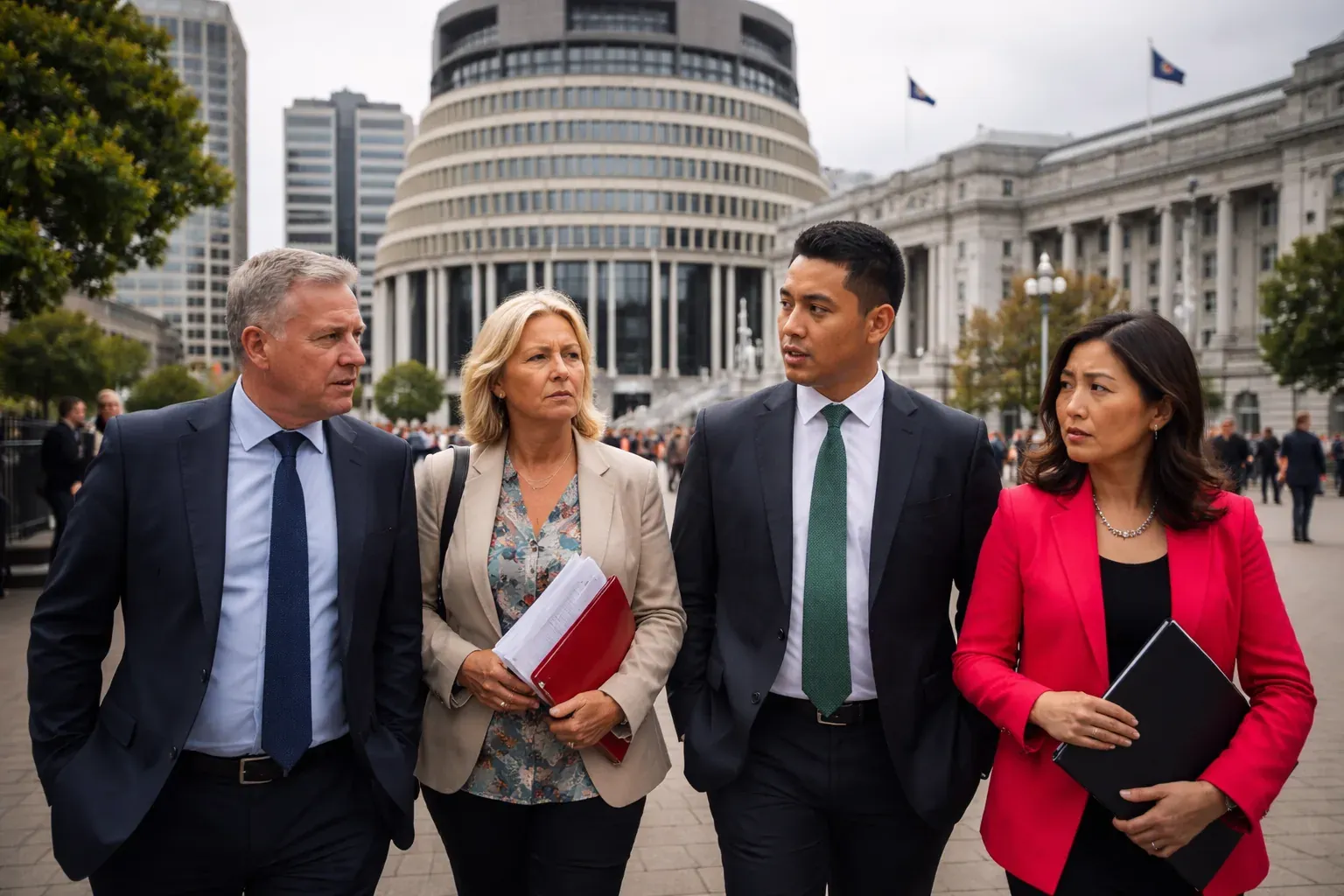
China has implemented a one-year travel ban on four New Zealand Members of Parliament who traveled to Taiwan in May. The group included representatives from both the governing coalition and the opposition. The Chinese Embassy indicated that the ban could be reduced or waived if the lawmakers provided an apology for the visit, a condition that has already been met with resistance from some of the affected MPs.
What's new in this update
This move marks the first time Beijing has targeted New Zealand lawmakers with such sanctions. New Zealand's Foreign Minister, Winston Peters, characterized the decision as a departure from past practice and a move that surprised his department. In response, the ministry has instructed officials in Beijing and Wellington to seek further clarification from Chinese authorities regarding the sudden policy shift.
Key details
The affected lawmakers are Maureen Pugh, David Wilson, and Laura McClure from the ruling coalition, along with Duncan Webb of the Labour Party. McClure has publicly rejected the idea of an apology, describing the ban as a form of foreign interference and asserting the right of democratically elected officials to travel freely. The visit involved meetings with high-level Taiwanese officials, including Foreign Minister Lin Chia-lung.
Background and context
Since establishing formal diplomatic relations with Beijing in 1972, New Zealand has maintained a One China policy, recognizing Beijing as the sole legitimate government. However, unofficial parliamentary visits to Taiwan have been common for decades. While China has previously sanctioned high-profile US officials like Nancy Pelosi for similar trips, New Zealand's exchanges had historically been met with verbal criticism rather than formal travel restrictions.
What to watch next
Diplomatic discussions are currently underway between Wellington and Beijing to resolve the matter. The outcome will indicate whether this is an isolated incident or part of a broader Chinese strategy to more strictly enforce its position by penalizing smaller nations that maintain visible ties with the self-governed island.
Why it matters
This represents a hardening of China's stance toward New Zealand, which traditionally balances its primary trade relationship with Beijing alongside unofficial ties to Taipei.
Read next
Follow this story through the topic hub, more world coverage, and the latest updates.
Weekly briefing
Get the week's key developments in one concise email.
Get a fast catch-up on the biggest stories, the context behind them, and the links worth your time.
Cadence
Weekly, for a quick catch-up
Coverage
AI, business, world, security, sports
Format
Clear takeaways and useful context
Request the briefing
Leave your email to open a prepared request and get on the list for the weekly briefing.
Author
See who assembled this story and follow more of their work.
Sources and methodology