Fertilizer Shortages Linked to Iran Conflict Threaten 10 Billion
Yara CEO Svein Tore Holsether warns that disruptions in the Strait of Hormuz are jeopardizing global crop yields and could trigger a bidding war for food.

World correspondent
Reports on international affairs, diplomacy, and humanitarian developments with an emphasis on official statements, multilateral institutions, and regional context.
Editorial responsibility: Lead reviewer for geopolitics, international institutions, and crisis coverage
Primary source: BBC World News. Full source links and update notes are below.
Fast summary
Start here
- Nitrogen fertilizer production has dropped by half a million tons due to regional hostilities and shipping blockages.
- Approximately one-third of the world's fertilizers, including urea and potash, normally pass through the Strait of Hormuz.
- Fertilizer prices have surged by 80% since the onset of the conflict, with the poorest nations expected to be hit hardest.
What happened
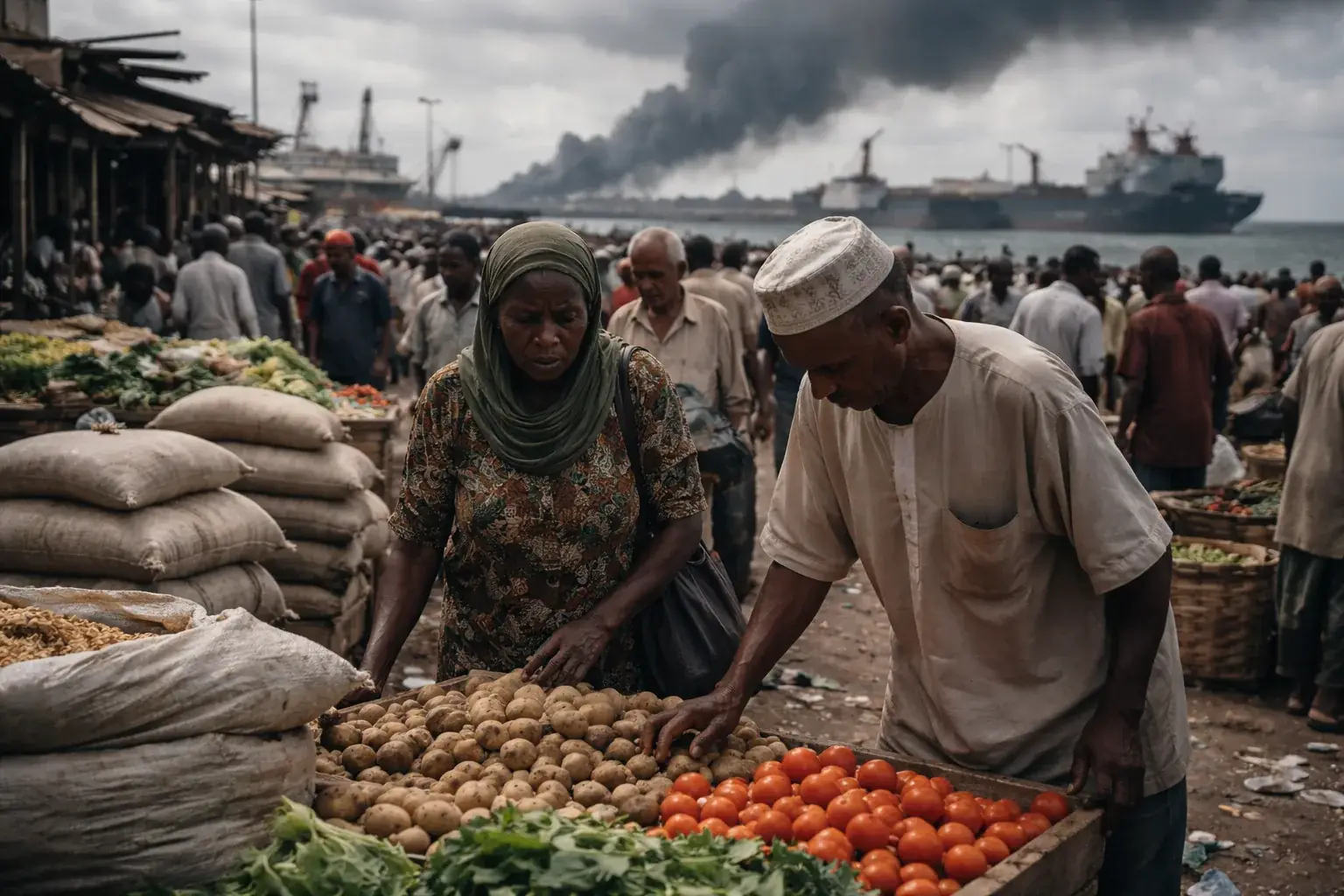
The conflict involving Iran and the disruption of shipping through the Strait of Hormuz are now threatening one of the least visible but most important pillars of global food production: fertilizer supply. Industry leaders warn that cuts to nitrogen fertilizer output and interruptions to global transport flows could translate into billions fewer meals each week if the shortage persists. The danger is not only that fertilizer becomes more expensive. It is that many farmers, especially in poorer countries, may simply use less of it, leading to lower yields months later when harvest shortfalls begin showing up in food markets.
That is why the warning sounds so severe. The problem is not confined to industrial inputs. It is a delayed threat to the global food system itself.
What's new in this update
The sharpest new signal is the estimated scale of the disruption. Production losses measured in hundreds of thousands of tons have already been reported, while fertilizer prices have surged dramatically since the conflict intensified. That combination matters because agriculture is highly seasonal. A missed application window cannot always be fixed later, and decisions farmers make today under price pressure can determine how much grain, rice, or other staples are available months from now.
The Strait of Hormuz is central to the story because such a large share of global fertilizer flows and key inputs pass through it. When that route is constrained by geopolitical risk, countries far from the Gulf still feel the shock through higher prices, delayed deliveries, and greater competition for available supply.
Key details
Nitrogen fertilizer is one of the most yield-sensitive inputs in modern farming. In many crops, reducing application significantly can cut output dramatically in a single season. That means fertilizer shortages do not merely shift farm economics. They can directly reduce food production across entire regions.
Several factors are driving the current alarm:
- A large share of global fertilizer trade depends on the Strait of Hormuz.
- Production and shipment disruptions are already reducing available supply.
- Prices have reportedly jumped around 80% since the crisis deepened.
- Poorer importing countries are least able to compete when supply becomes scarce.
This is where the humanitarian dimension becomes acute. Wealthier countries or large agricultural buyers may still secure enough product by paying more. Lower-income countries may not, which can turn a supply-chain shock into a hunger crisis.
Background and context
Food systems are especially vulnerable to fertilizer shocks because they amplify through multiple channels at once. Farmers face higher input costs, diesel and transport prices often rise alongside geopolitical instability, and crop markets react not only to present scarcity but to anticipated future harvest damage. The world saw similar cascading effects in previous fertilizer and grain disruptions, where even limited upstream constraints eventually translated into broader inflation and acute food insecurity.
Yara's warning matters because the company sits close to the industrial core of the fertilizer market and has visibility into how shipping constraints and production cuts interact. When major producers start describing a possible global bidding war for food, they are pointing to a chain reaction in which the poorest importers lose access first.
What to watch next
The next critical question is duration. A brief disruption can still be painful, but an extended one across planting and application seasons could materially reduce harvests in Asia, Africa, and Latin America. Analysts will also watch whether governments release reserves, subsidize fertilizer purchases, or impose export controls that might protect domestic farmers while worsening scarcity elsewhere.
Another point to watch is food inflation in importing nations. By the time shortages become visible in retail markets, the underlying fertilizer decisions will already have been made. That lag makes early warnings especially important.
Why this matters
This matters because fertilizer, the Iran conflict, the Strait of Hormuz, Yara, food prices, and global hunger are all tied together in a supply shock with worldwide consequences. If fertilizer stays scarce and expensive, the effect will not stop at farm budgets. It will show up in smaller harvests, tighter food markets, and intensified competition between rich and poor countries for basic staples. In that sense, the real danger is not just industrial disruption. It is the possibility that geopolitical conflict becomes a mass food-security crisis.
Reader context
This story belongs to Northstar Herald's Agriculture and Global Economy coverage, with related entities including fertilizer, Iran conflict, Strait of Hormuz, food prices. The report is based on BBC World News source material.
Related coverage
Why it matters
The disruption of fertilizer supplies impacts global crop yields by up to 50%, forcing developing nations into a bidding war they cannot afford against wealthier regions.
Read next
Follow this story through the topic hub, more world coverage, and the latest updates.
Weekly briefing
Get the week's key developments in one concise email.
Get a fast catch-up on the biggest stories, the context behind them, and the links worth your time.
Cadence
Weekly, for a quick catch-up
Coverage
AI, business, world, security, sports
Format
Clear takeaways and useful context
Request the briefing
Leave your email to open a prepared request and get on the list for the weekly briefing.
About the byline
World correspondent
Leila Haddad covers world affairs, diplomacy, and humanitarian crises, with a focus on how fast-moving international developments affect public policy, conflict response, and cross-border institutions.
Sources and methodology