Air France and Airbus Found Guilty of Manslaughter Over 2009 Atlantic Ocean Crash
A Paris appeals court ruled both companies were "solely and entirely responsible" for the tragedy that killed 228 people, overturning a 2023 acquittal.
Primary source: BBC World News. Full source links, newsroom standards, and correction details are below.
Fast summary
Start here
- The Paris Appeals Court found both Air France and Airbus guilty of manslaughter for the 2009 crash of flight AF447.
- The ruling reverses a 2023 decision that had cleared both companies of criminal responsibility.
- Each company was ordered to pay a maximum fine of €225,000, which victims' families have criticized as a token penalty.
What happened
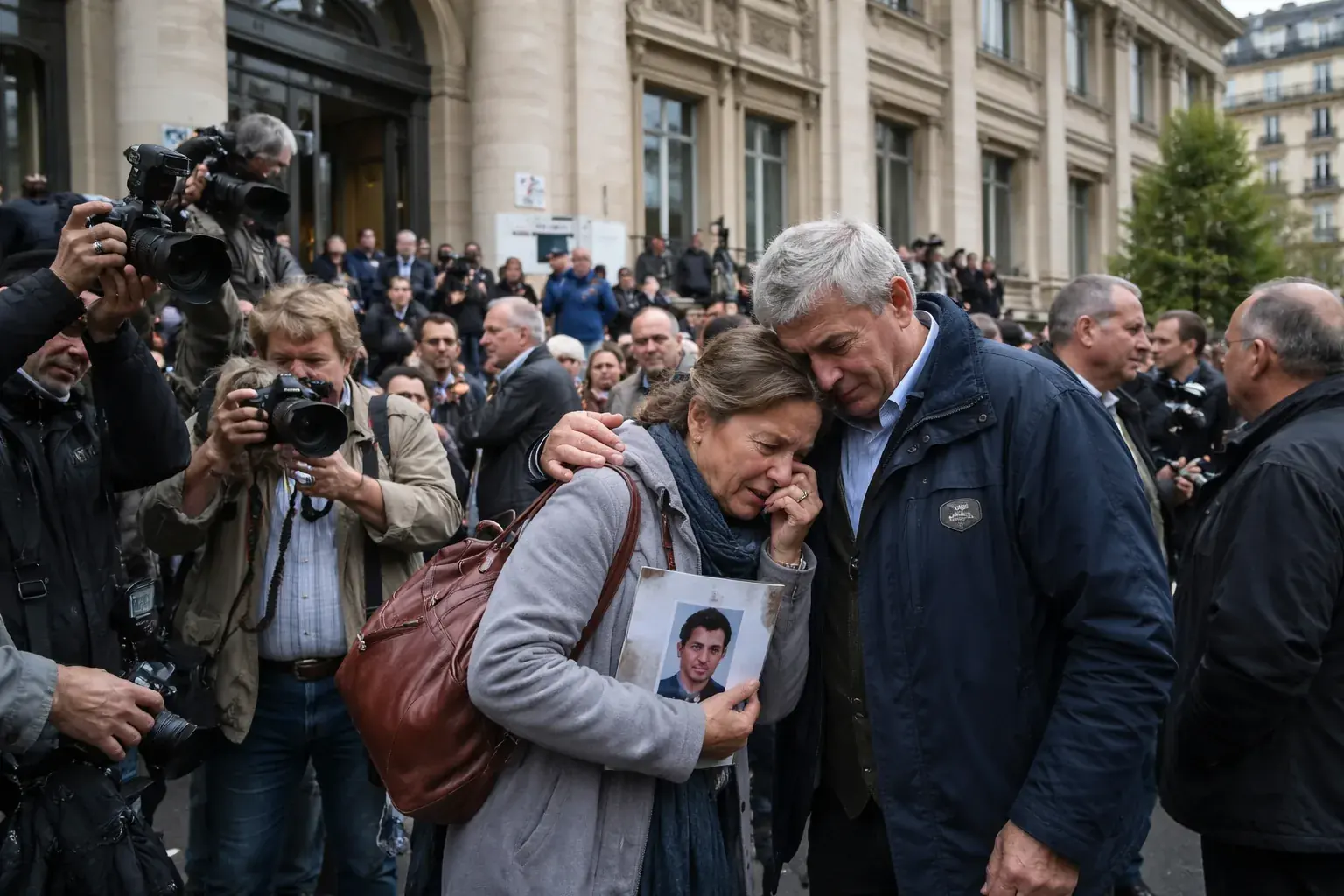
A French appeals court has convicted Air France and Airbus of manslaughter regarding the 2009 crash of flight AF447. The court deemed the airline and the aircraft manufacturer "solely and entirely responsible" for the disaster, which saw the aircraft plunge into the Atlantic Ocean during a storm, killing all 228 people on board. This decision concludes an eight-week trial that examined corporate negligence and technical failures.
What's new in this update
The conviction on Thursday reverses an April 2023 court decision that had initially cleared both companies of criminal charges. The appeals court determined that the companies' behavior was unacceptable and directly linked to the catastrophe. While the verdict was welcomed by victims' advocacy groups, Air France and Airbus have denied the charges and announced their intention to appeal the ruling.
Key details
The court imposed the maximum fine allowed by law, which is €225,000 ($261,720) for each entity. The 228 victims included 216 passengers and 12 crew members from 33 different countries, including 61 French nationals, 58 Brazilians, and 26 Germans. Among the dead were several doctors, a Brazilian prince, and an 11-year-old boy returning to school in the UK. The wreckage was not fully located until 2011 after extensive deep-sea searches.
Background and context
Flight AF447 was traveling from Rio de Janeiro to Paris when it stalled at 38,000 feet and crashed into the sea, marking the deadliest incident in French aviation history. Investigators found in 2012 that a combination of faulty air-speed sensors—known as Pitot tubes—and the pilots' inability to properly respond to the stall caused the aircraft to drop. The pilots, confused by faulty readings, mistakenly pointed the nose of the plane upward during the stall.
What to watch next
Following the announcement of the guilty verdict, both Air France and Airbus are expected to pursue further appeals in the French legal system to challenge the manslaughter conviction. The ruling may also impact future safety regulations and pilot training protocols regarding manual flight handling during high-altitude technical failures.
Why this matters
This verdict represents a major legal turning point in French aviation history, providing a sense of justice for families after a 15-year legal battle and emphasizing corporate accountability.
Reader context
This story belongs to Northstar Herald's International Relations and Human Rights coverage, with related entities including Aviation, Air France, Airbus, AF447. The report is based on BBC World News source material.
Related coverage
Why it matters
This verdict represents a major legal turning point in French aviation history, providing a sense of justice for families after a 15-year legal battle and emphasizing corporate accountability.
Read next
Follow this story through the topic hub, more world coverage, and the latest updates.
Weekly briefing
Get the week's key developments in one concise email.
Get a fast catch-up on the biggest stories, the context behind them, and the links worth your time.
Cadence
Weekly, for a quick catch-up
Coverage
AI, business, world, security, sports
Format
Clear takeaways and useful context
Request the briefing
Leave your email to open a prepared request and get on the list for the weekly briefing.
Author

The world desk follows geopolitics, humanitarian crises, diplomacy, and major international developments with an emphasis on fast updates and public-interest context.
Sources and methodology