WHO Warns Ebola Vaccine Could Take Nine Months as Outbreak Spreads
Health officials report 139 suspected deaths across Central Africa as candidate vaccines for the rare Bundibugyo species await clinical trials.
Primary source: BBC World News. Full source links and update notes are below.
Fast summary
Start here
- The World Health Organization estimates it will take up to nine months to ready a vaccine for the Bundibugyo species of Ebola currently spreading.
- Health authorities have confirmed 51 cases in the Democratic Republic of Congo and two in Uganda, with total suspected deaths reaching 139.
- The UK government has pledged £20 million in aid to support frontline health workers and improve disease surveillance in the affected regions.
What happened
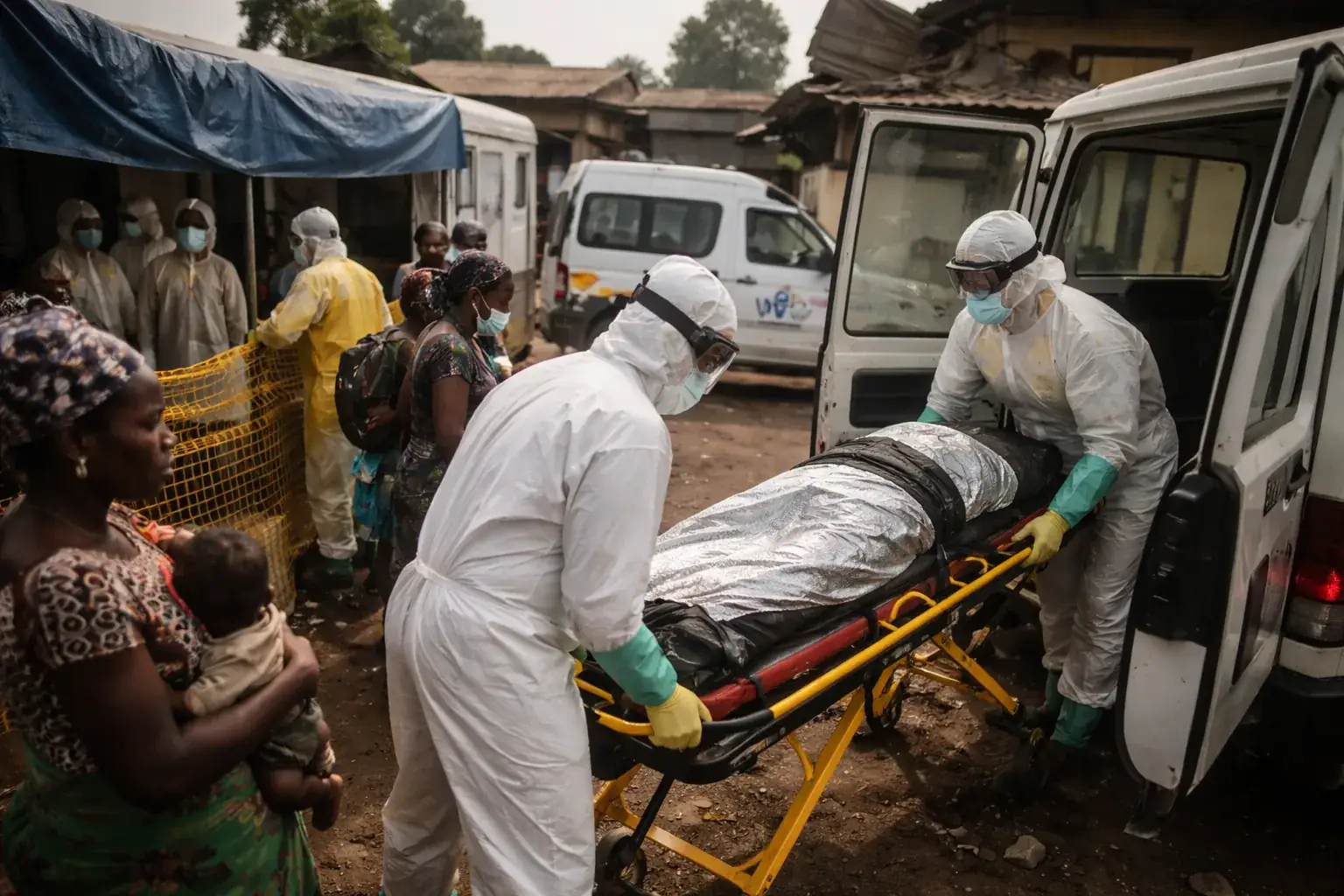
The World Health Organization (WHO) has cautioned that a vaccine for the ongoing Ebola outbreak in Central Africa could be nine months away. WHO chief Dr. Tedros Adhanom Ghebreyesus confirmed that while the situation is a public health emergency of international concern, it has not yet reached the level of a global pandemic. Currently, the WHO assesses the risk of the epidemic as high at the national and regional levels but low globally.
What's new in this update
Two candidate vaccines against the Bundibugyo species are in development, but according to WHO advisor Dr. Vasee Moorthy, neither has yet undergone clinical trials. This specific species of Ebola has not been seen for more than a decade, presenting unique challenges compared to the more common Zaire species. Confirmed cases have now spread beyond the initial epicentre in the DR Congo to the Ugandan capital, Kampala.
Key details
There are currently 600 suspected cases and 139 suspected deaths, though officials expect these numbers to rise due to detection delays. In the DR Congo, 51 cases are confirmed across the Ituri and North Kivu provinces. Local health facilities are reporting critical shortages of space and protective equipment, with Medecins Sans Frontieres (MSF) warning that some units are already full of suspected cases. The UK’s £20 million contribution is intended to fund infection control and support for frontline workers.
Background and context
Ebola was first discovered in 1976 and is thought to spread to humans from bats through direct contact with bodily fluids. The Democratic Republic of Congo is currently facing its 17th outbreak of the virus. The first known case of this specific wave was a nurse in the provincial capital of Bunia who died in late April. The virus has since spread to gold-mining towns and across the border into Uganda via travelers.
What to watch next
Health officials are focusing on curbing transmission through community behavioral changes and improved disease surveillance while waiting for vaccine development. Investigations are ongoing to determine exactly how long the virus had been spreading before the first detection. The scale of the epidemic in the DR Congo is believed to be much larger than current confirmed figures suggest, and the involvement of healthcare workers among the deceased remains a primary concern for international observers.
Why it matters
The lack of an existing vaccine for this specific Ebola species complicates containment efforts in a region where healthcare infrastructure is already being overwhelmed by rising caseloads.
Read next
Follow this story through the topic hub, more world coverage, and the latest updates.
Weekly briefing
Get the week's key developments in one concise email.
Get a fast catch-up on the biggest stories, the context behind them, and the links worth your time.
Cadence
Weekly, for a quick catch-up
Coverage
AI, business, world, security, sports
Format
Clear takeaways and useful context
Request the briefing
Leave your email to open a prepared request and get on the list for the weekly briefing.
Author
See who assembled this story and follow more of their work.
Sources and methodology