NFL Rescinds Requirement for Minority Offensive Assistants in 2025
The league has discontinued a rule established in 2022 that mandated every franchise hire a person of color or female offensive assistant.

Sports reporter
Reports on leagues, tournaments, and athlete developments with an emphasis on verified event details, official announcements, and commercial context.
Editorial responsibility: Lead reviewer for match reporting, tournament context, and league governance coverage
Primary source: ESPN Top Headlines. Full source links and update notes are below.
Fast summary
Start here
- The NFL has ended the mandate requiring teams to have at least one minority offensive assistant on staff for the 2025 season.
- The policy was originally introduced in 2022 to address the lack of diversity in offensive coaching roles, which frequently lead to head coaching positions.
- While the mandate is being lifted, the league's broader diversity efforts and the Rooney Rule remain in effect for other coaching and executive searches.
What happened
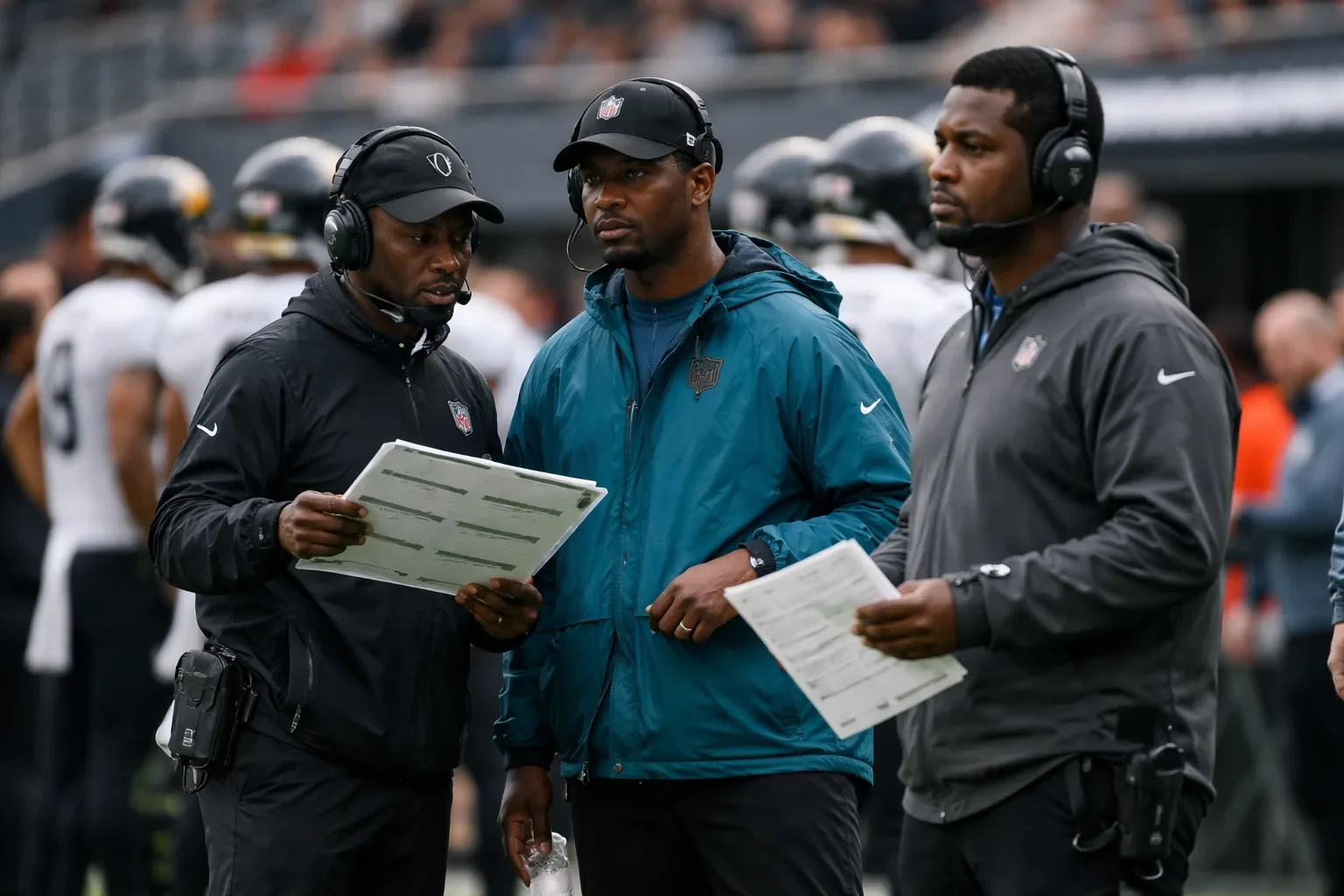
The NFL has ended its mandate requiring every team to employ at least one minority offensive assistant for the 2025 season, stepping away from a policy created in 2022 to address a specific weakness in the league's coaching pipeline. The rule had been designed to place more women and coaches of color into offensive roles, especially because offensive positions such as quarterback coach and offensive coordinator increasingly serve as the most common pathways to head-coaching jobs. By ending the requirement, the league is changing one of its more direct interventions in how diversity is cultivated at the entry point of that pipeline.
What's new in this update
The new development is not merely that the rule is gone, but that the NFL is choosing to rely less on a mandate and more on its broader set of diversity mechanisms, including the Rooney Rule and incentive structures tied to promotions. That marks a philosophical shift. Instead of forcing every team to create or maintain a specific type of role, the league is signaling that it prefers softer structural pressure or club-level discretion.
Whether that works in practice is the obvious question. The policy existed because the NFL had identified a bottleneck: minority coaches were underrepresented in offensive jobs, and offensive jobs had become the most powerful launching pad to the top.
Key details
Under the original policy, teams were required to hire a woman or person of color as an offensive assistant, with the league helping fund the position so that cost would not become an excuse for avoiding compliance. The league's logic was clear. If the NFL wanted more diverse head-coaching candidates in the future, it needed more diverse coaches gaining offensive experience in the present.
That logic still holds even if the rule no longer does. In recent years, many of the league's most sought-after head-coaching candidates have come from offensive systems, particularly from quarterback development roles and coordinator positions tied to modern passing attacks. If underrepresented coaches are blocked from those entry points, the entire diversity problem simply gets delayed upstream.
This is why the end of the mandate matters more than the elimination of a single job category. It affects who gets early exposure, who gets promoted, and who becomes visible to owners and general managers later.
Background and context
The policy emerged out of longstanding criticism that the NFL's diversity commitments were too procedural and not sufficiently structural. The Rooney Rule could require interviews, but it could not guarantee that candidates would accumulate the specific experiences most valued by decision-makers. The offensive assistant mandate was an attempt to act earlier in the process.
It was also a response to a clear market trend inside the NFL. The league's strategic center had shifted toward offense, quarterback play, and scheme innovation. As that happened, the value of offensive résumé lines increased. Any diversity effort that ignored that fact risked becoming symbolic rather than effective.
Now the NFL is betting that other measures can still preserve momentum without a formal requirement. Critics will reasonably ask whether that is confidence or retreat.
What to watch next
The 2025 hiring cycle will provide the first real evidence of what happens without the mandate. If minority offensive assistant numbers hold steady or improve, the league will argue that the rule had served its purpose or that clubs have internalized the expectation. If those numbers slip, the NFL will face renewed criticism that it removed one of the few policies directly targeting a real structural imbalance.
The broader issue is not only assistant hiring. It is whether the NFL remains serious about changing the profile of future head-coaching candidates. Diversity initiatives are easiest to defend in principle. They are much harder to maintain when they interfere with how power usually reproduces itself. That is why the end of the minority offensive assistant mandate deserves scrutiny: it will reveal whether the league still wants to reshape the pipeline, or simply manage the optics around it.
Why it matters
This policy change shifts how the NFL manages its coaching pipeline and could impact the rate at which minority candidates gain experience in high-leverage offensive roles.
Read next
Follow this story through the topic hub, more sports coverage, and the latest updates.
Weekly briefing
Get the week's key developments in one concise email.
Get a fast catch-up on the biggest stories, the context behind them, and the links worth your time.
Cadence
Weekly, for a quick catch-up
Coverage
AI, business, world, security, sports
Format
Clear takeaways and useful context
Request the briefing
Leave your email to open a prepared request and get on the list for the weekly briefing.
About the byline
Sports reporter
Olivia Park covers sports with an emphasis on competition, governance, and the business forces shaping global leagues, major events, and athlete decision-making.
Sources and methodology