Sacramento Kings Finalize Return of Doug Christie to Coaching Staff
The former franchise standout will remain a fixture on Mike Brown's bench, ensuring staff stability for the upcoming NBA season.

Sports reporter
Reports on leagues, tournaments, and athlete developments with an emphasis on verified event details, official announcements, and commercial context.
Editorial responsibility: Lead reviewer for match reporting, tournament context, and league governance coverage
Primary source: ESPN Top Headlines. Full source links and update notes are below.
Fast summary
Start here
- Doug Christie has reached an agreement to return as an assistant coach for the 2025-26 season.
- The move prioritizes continuity within Mike Brown's coaching staff following a competitive Western Conference campaign.
- Christie, a former Kings player, remains a vital link between the organization's history and its modern roster.
What happened
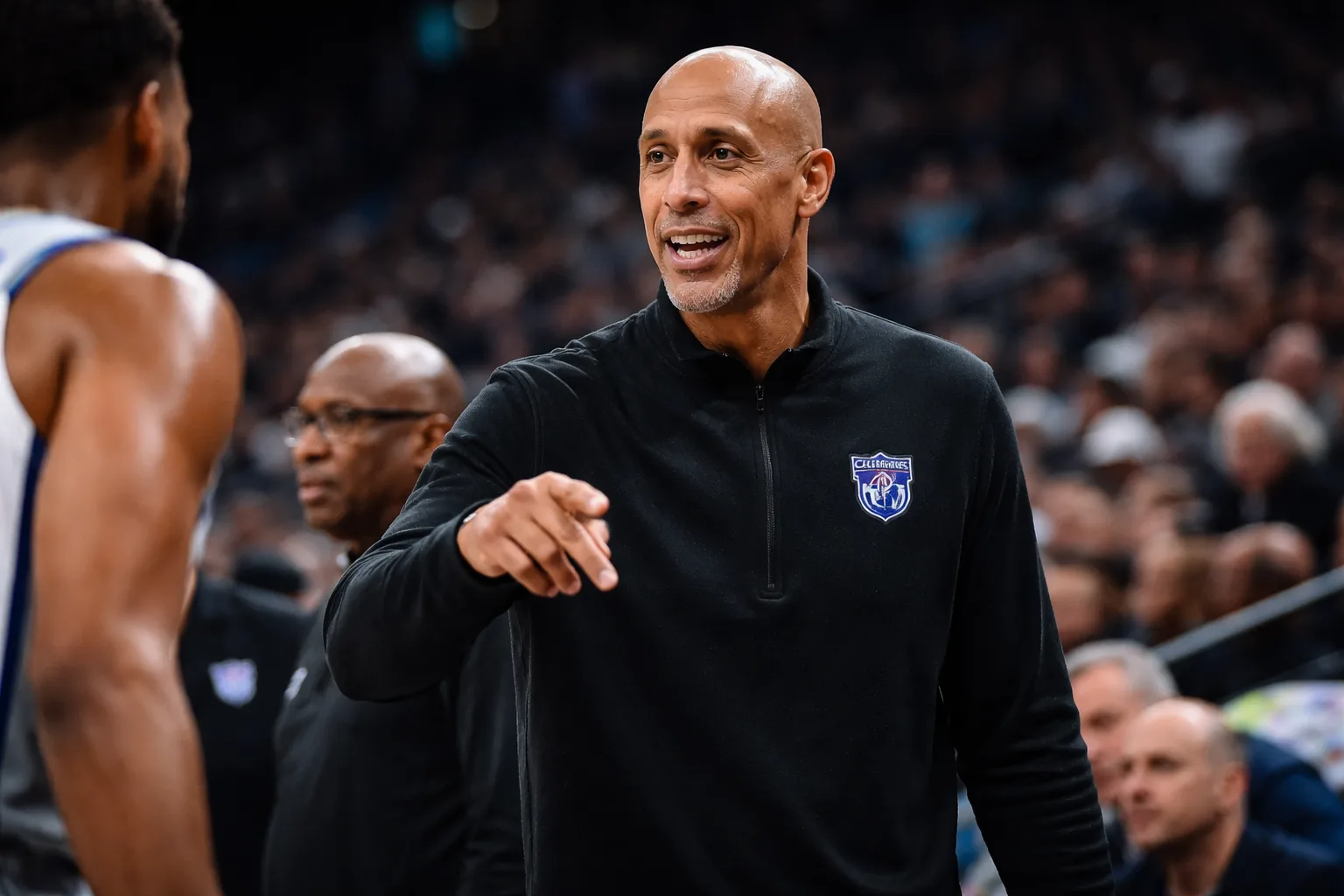
The Sacramento Kings are retaining Doug Christie for the 2025-26 NBA season, keeping one of the most recognizable figures in franchise history on Mike Brown's coaching staff. The decision gives Sacramento continuity on the bench at a time when many teams use the offseason to reshuffle assistants, redefine player-development roles, or react sharply to playoff disappointment. By bringing Christie back, the Kings are signaling that they still value the internal culture and coaching structure that helped shape the team's recent identity.
What's new in this update
The agreement removes uncertainty about whether Christie would remain part of the staff next season. That matters because assistant-coach movement can quietly affect teams more than headline roster transactions do. By locking in Christie early, Sacramento avoids disruption in a role tied to defensive development, communication with players, and day-to-day continuity between the front office, coaching group, and locker room.
The move also reinforces Mike Brown's preference for stability. Rather than treating the staff as disposable after one uneven stretch or one disappointing result, the Kings appear to believe that continuity still gives them the best chance to improve execution around the edges.
Key details
Christie has been with the Kings' coaching staff since 2021. He first joined under Luke Walton and then remained in place after Mike Brown took over, which already said something about how the organization viewed his value. Staff members are often replaced during coaching transitions, especially when a new head coach wants complete philosophical control. Christie's survival through that shift suggests he earned trust from multiple leadership groups inside the franchise.
His work has been associated with perimeter defense, player communication, and mentorship for guards, including De'Aaron Fox. Those responsibilities matter for a Sacramento roster that depends heavily on guard play, pace, and on-ball creation. Christie also offers a style of authority that differs from a traditional outside hire: he is not just another assistant with a generic resume. He is a former Kings player whose history with the franchise gives him credibility with fans and a different kind of standing inside the building.
Background and context
Christie remains one of the defining figures from the Kings' early-2000s era, when Sacramento was one of the most watchable teams in the NBA and a regular postseason presence. That history is part of why his role resonates beyond X's and O's. He represents a direct bridge between one of the franchise's most celebrated periods and the current group trying to establish a sustainable winning standard.
Before moving into coaching, Christie spent time as a television commentator for the team. The transition from the broadcast booth to an NBA bench is unusual, but in Sacramento it fit because he already understood the organization's history, personalities, and pressure points. From the Kings' perspective, that combination of basketball knowledge, familiarity with the market, and locker-room credibility made him a useful long-term piece of the staff.
The Kings have spent the last several seasons trying to prove that their revival is not temporary. That means coaching continuity matters. A team that wants to return to the playoffs and compete more consistently in the Western Conference has to preserve what works while sharpening specific weaknesses, especially on defense.
What to watch next
Now that Christie's return is settled, the focus shifts to how Sacramento upgrades the roster and whether the Kings can translate continuity into better results. The key basketball question is whether the same staff can help produce a more reliable defense without compromising the offensive strengths built around Fox and the rest of the core rotation.
Fans will also watch whether Christie's role continues to expand. Assistant titles do not always capture real influence, and a trusted former player can become increasingly important in setting accountability, translating coaching demands, and keeping players aligned over the course of a long season. For Sacramento, retaining Doug Christie is not a dramatic move, but it is the kind of deliberate decision good organizations make when they believe stability still has competitive value.
Why it matters
Retaining Christie allows the Kings to maintain the defensive identity and player rapport developed over the last few seasons as they seek to return to the playoffs.
Read next
Follow this story through the topic hub, more sports coverage, and the latest updates.
Weekly briefing
Get the week's key developments in one concise email.
Get a fast catch-up on the biggest stories, the context behind them, and the links worth your time.
Cadence
Weekly, for a quick catch-up
Coverage
AI, business, world, security, sports
Format
Clear takeaways and useful context
Request the briefing
Leave your email to open a prepared request and get on the list for the weekly briefing.
About the byline
Sports reporter
Olivia Park covers sports with an emphasis on competition, governance, and the business forces shaping global leagues, major events, and athlete decision-making.
Sources and methodology