UMG and TikTok Renew Partnership with Focus on AI Protections
The new licensing agreement aims to purge unauthorized AI-generated content and ensure proper credit for human artists and songwriters.

AI reporter
Reports on model launches, frontier labs, developer platforms, and AI policy with an emphasis on claims verification and rollout context.
Editorial responsibility: Lead reviewer for AI coverage, launch claims, and policy context
Primary source: TechCrunch AI. Full source links and update notes are below.
Fast summary
Start here
- UMG and TikTok will collaborate to identify and remove AI-generated music that mimics artists without authorization.
- The agreement includes improved mechanisms for artist and songwriter attribution on the platform.
- The renewal marks a stabilization of the partnership following a high-profile 2024 dispute where UMG pulled its catalog.
What happened
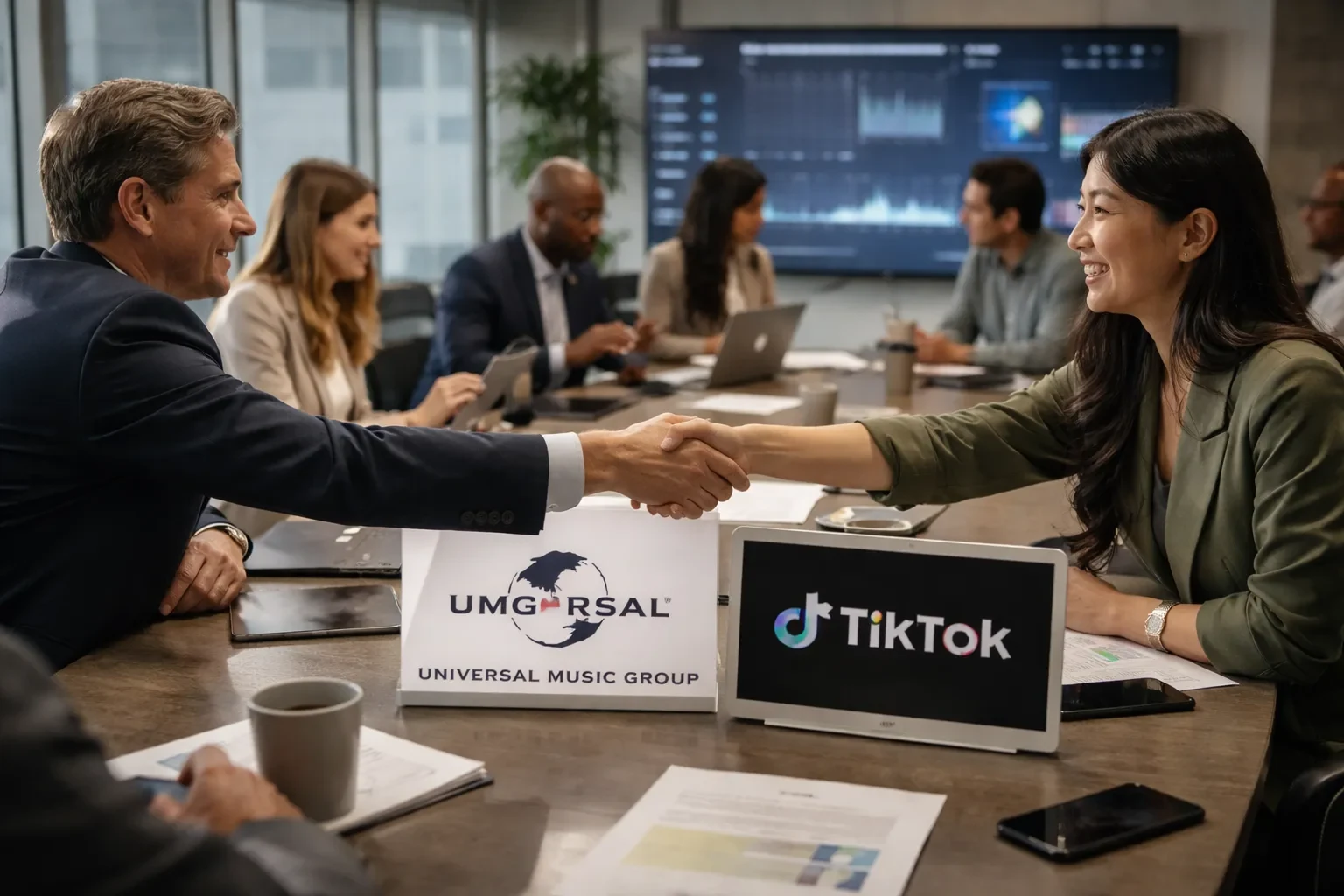
Universal Music Group and TikTok have renewed their licensing agreement, restoring and stabilizing a partnership that now puts artificial intelligence protections at the center of the deal. The new arrangement is designed to identify and remove unauthorized AI-generated music, especially tracks that imitate artists without permission, while also improving attribution for songwriters and performers across the platform. In practical terms, the agreement acknowledges that music licensing is no longer just about distributing catalogs. It is now also about defending identity, ownership, and revenue in an era of generative AI.
What's new in this update
The most important change is the explicit focus on AI safeguards. UMG and TikTok say they will work together to detect music that improperly mimics real artists and to build stronger systems for labeling, crediting, and monetizing legitimate work. That emphasis marks a shift from traditional licensing concerns toward a broader rights-management model, where platforms are expected to police synthetic content before it distorts markets for human creators.
The agreement also matters because it follows a period of open conflict. The two companies previously clashed over compensation, copyright, and the handling of AI-generated material, with UMG pulling its catalog from TikTok during a high-profile dispute. Renewing the partnership suggests both sides concluded that cooperation, however tense, is more viable than trying to operate without each other.
Key details
For TikTok, the renewed deal helps preserve access to music that is central to the platform's culture and creator economy. Viral trends, artist discovery, and fan engagement all depend heavily on licensed tracks. Losing major-label content weakens that ecosystem. For UMG, keeping a presence on TikTok remains strategically important because the app is one of the strongest engines for music promotion and audience formation, especially among younger listeners.
The AI component adds a new layer of complexity. Unauthorized synthetic songs can imitate voices, styles, and performance patterns closely enough to confuse audiences and siphon attention away from real artists. Labels view that not only as a copyright issue but also as a threat to artist identity and the economics of songwriting. Better attribution tools matter for the same reason: if platforms cannot reliably identify who made a track and who should be compensated, music revenue chains become easier to distort.
TikTok's expansion of artist-facing analytics and promotional tools also fits inside this larger effort. Better data can help labels and performers understand how tracks spread, which clips drive engagement, and where monetization opportunities are strongest.
Background and context
The 2024 standoff between UMG and TikTok became an early test case for how the music industry would confront generative AI on mass-consumer platforms. At the time, UMG argued that TikTok was not doing enough to address copyright risk, songwriter compensation, and the rapid rise of AI-generated mimicry. The temporary removal of UMG's catalog showed just how dependent short-form video platforms remain on major music licenses.
Since then, the industry has moved toward a more explicit debate over artist rights in the AI era. Labels, publishers, and platforms are all trying to define acceptable uses of synthetic media, especially when AI systems can recreate recognizable voices or styles. This UMG-TikTok agreement does not solve that debate, but it does show what one influential answer looks like: licensing deals will increasingly include technical enforcement expectations, not just royalty terms.
What to watch next
The next challenge is implementation. It is easier to promise detection and removal than to do it accurately at scale, especially when AI-generated tracks can be edited, remixed, or disguised to evade filters. Industry observers will watch whether TikTok's systems can identify infringing material quickly without sweeping up legitimate remixes, commentary, or authorized creative experimentation.
If the tools work, this agreement could become a template for other platforms negotiating with music rights holders in the age of generative AI. If they fail, the conflict between labels and platforms will return quickly. Either way, the renewed UMG-TikTok partnership makes one point clear: the battle over AI music is no longer theoretical. It is now embedded in the commercial terms that govern how music reaches the internet's largest audiences.
Why it matters
This deal sets a precedent for how major music labels and social platforms manage the risks of generative AI to protect intellectual property and human artistry.
Read next
Follow this story through the topic hub, more ai coverage, and the latest updates.
Weekly briefing
Get the week's key developments in one concise email.
Get a fast catch-up on the biggest stories, the context behind them, and the links worth your time.
Cadence
Weekly, for a quick catch-up
Coverage
AI, business, world, security, sports
Format
Clear takeaways and useful context
Request the briefing
Leave your email to open a prepared request and get on the list for the weekly briefing.
About the byline
AI reporter
Alex Rivera reports on artificial intelligence with an emphasis on model launches, frontier lab strategy, developer tooling, and the policy decisions shaping commercial deployment.
Sources and methodology