Apple to Pay $250 Million Settlement Over Delayed Siri AI Features
The tech giant reached an agreement to resolve claims that it misled consumers regarding the availability and capabilities of Apple Intelligence features

AI reporter
Reports on model launches, frontier labs, developer platforms, and AI policy with an emphasis on claims verification and rollout context.
Editorial responsibility: Lead reviewer for AI coverage, launch claims, and policy context
Primary source: TechCrunch AI. Full source links and update notes are below.
Fast summary
Start here
- Apple will pay $250 million to settle a class-action lawsuit without admitting any legal wrongdoing.
- Eligible U.S. customers who bought an iPhone 15 or 16 between June 2024 and March 2025 may receive up to $95 per device.
- The lawsuit alleged Apple's marketing overstated the readiness and functionality of Siri's advanced AI capabilities.
What happened
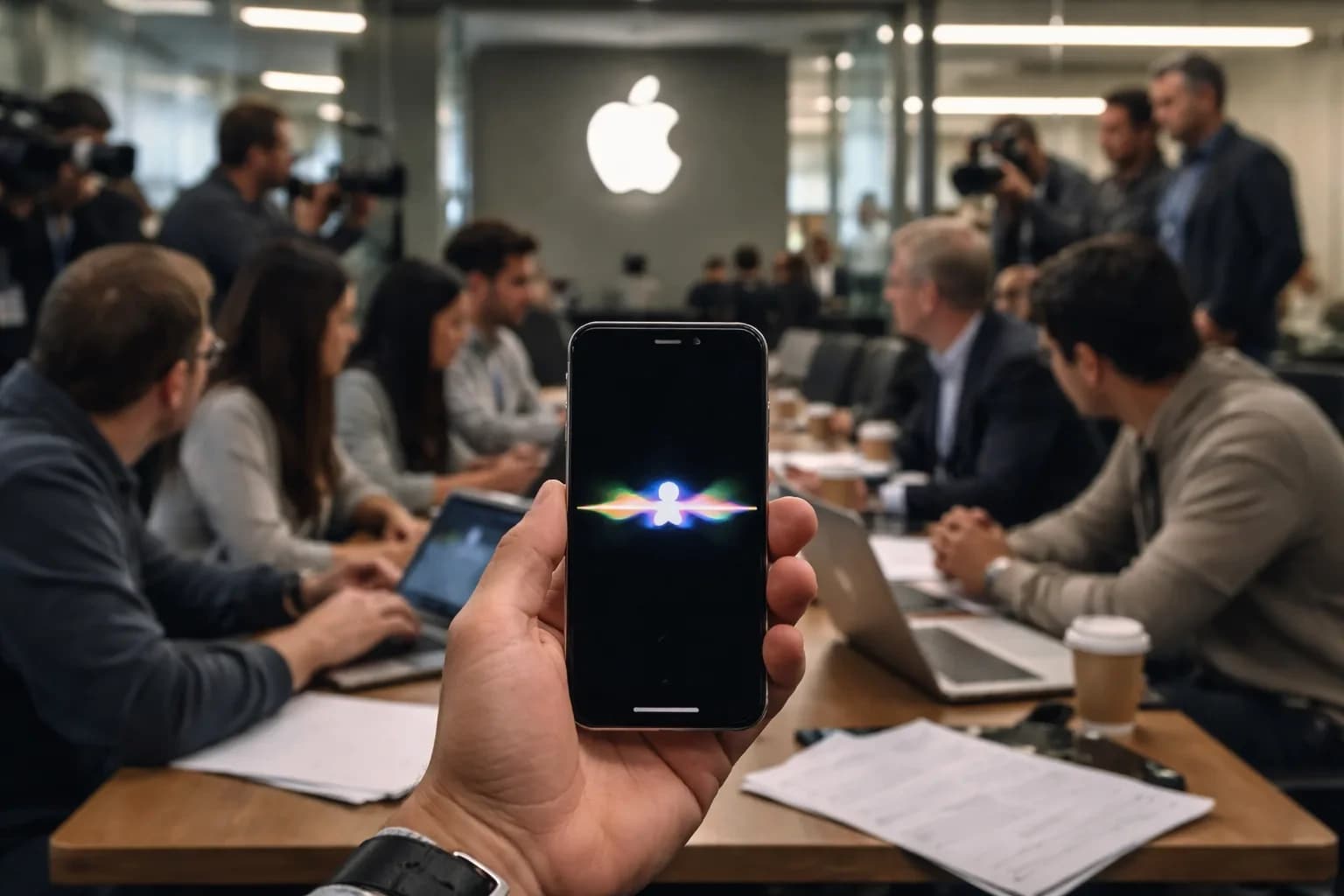
Apple has agreed to a $250 million settlement to resolve a class-action lawsuit accusing the company of overstating the readiness of major Siri and Apple Intelligence features tied to the iPhone 15 and iPhone 16 cycle. The case centered on the argument that Apple's marketing created the impression that advanced AI capabilities were available or imminent when some of the most important upgrades remained delayed, incomplete, or unavailable at the time many consumers bought new devices.
The settlement does not amount to an admission of wrongdoing by Apple, but it does reflect the legal exposure that can arise when AI roadmaps become central to hardware marketing. In this case, the complaint was not just about software timing. Plaintiffs argued they paid a premium for iPhones on the belief that a materially improved Siri and a broader Apple Intelligence experience would be part of the ownership proposition.
What's new in this update
Under the proposed agreement, eligible U.S. consumers who purchased an iPhone 15 or iPhone 16 during the relevant period could receive compensation of up to $95 per device. The class window runs from June 10, 2024, through March 29, 2025, according to the reporting cited in the story. Apple chose to settle rather than continue litigating, a decision that may reflect both cost control and a desire to limit extended scrutiny of its AI product messaging.
The case lands at a sensitive time for Apple because artificial intelligence has become a central competitive theme across smartphones, operating systems, and consumer ecosystems. Rivals such as Google, Samsung, Microsoft, and OpenAI-linked partners have all pushed harder and faster in AI marketing. Apple has tried to maintain its usual messaging discipline, but this dispute suggests even Apple is vulnerable when expectations get ahead of shipping reality.
Key details
The plaintiffs focused on the gap between promotional framing and actual product availability. Much of the frustration centered on Siri, which Apple had positioned as becoming more context-aware, more conversational, and more capable inside the broader Apple Intelligence suite. Consumers argued that these promised advances influenced buying decisions, especially for users deciding whether to upgrade to new iPhone hardware.
That distinction matters because Apple has historically sold devices not only on present capabilities but also on the trust that future software enhancements will meaningfully improve the product. When those enhancements are delayed, the dispute becomes more than a routine software complaint. It turns into a question of whether consumers were induced to buy expensive hardware under assumptions that were not yet justified.
Background and context
Apple first outlined Apple Intelligence during its 2024 Worldwide Developers Conference, presenting it as a major strategic answer to the generative AI wave reshaping the industry. The company emphasized privacy, on-device processing, and deeper integration across its ecosystem. Siri was expected to become one of the clearest expressions of that strategy because the assistant had fallen behind newer AI-native competitors in flexibility and natural interaction.
The problem was timing. Apple rolled out features in stages rather than delivering a single clearly complete AI package. That is common in software development, but it becomes harder to defend when marketing strongly associates a new hardware generation with those features. Reports that Apple might lean on outside models such as Google Gemini to accelerate some capabilities only sharpened the impression that its original roadmap had slipped.
The lawsuit also fits a bigger industry pattern. Technology companies are rushing to position AI as the reason to upgrade phones, laptops, and cloud subscriptions. As a result, the line between future vision and currently available functionality can become blurry. Regulators, courts, and consumers are increasingly unwilling to accept that ambiguity without consequences.
What to watch next
The immediate focus will shift to Apple's next developer and product events, where the company is expected to present a more mature version of Siri and a broader Apple Intelligence roadmap. Investors, developers, and customers will be listening carefully not only for new features but for how Apple describes delivery timelines. More precise language may now be necessary to avoid another legal backlash.
The settlement could also influence competitors. Hardware makers and AI platform companies may become more cautious about announcing capabilities too early or bundling unfinished AI features into the sales case for expensive products. If that happens, this case may help set a practical standard for how AI roadmaps are marketed to consumers.
Why this matters
This settlement highlights the legal risks for tech companies marketing pre-announced AI features that are not fully functional at launch. It sets a precedent for transparency in AI-driven hardware sales and underscores that AI promises can now affect consumer-protection liability, not just product perception.
Reader context
This story belongs to Northstar Herald's Apple and Artificial Intelligence coverage, with related entities including Apple Intelligence, iPhone 16, iPhone 15, Class Action Settlement. The report is based on TechCrunch AI source material.
Related coverage
Why it matters
This settlement highlights the legal risks for tech companies marketing pre-announced AI features that are not fully functional at launch. It sets a precedent for transparency in AI-driven hardware sales.
Read next
Follow this story through the topic hub, more ai coverage, and the latest updates.
Weekly briefing
Get the week's key developments in one concise email.
Get a fast catch-up on the biggest stories, the context behind them, and the links worth your time.
Cadence
Weekly, for a quick catch-up
Coverage
AI, business, world, security, sports
Format
Clear takeaways and useful context
Request the briefing
Leave your email to open a prepared request and get on the list for the weekly briefing.
About the byline
AI reporter
Alex Rivera reports on artificial intelligence with an emphasis on model launches, frontier lab strategy, developer tooling, and the policy decisions shaping commercial deployment.
Sources and methodology