Justice Department to Comply With Ruling Halting $1.8bn 'Anti-Weaponisation' Fund
The DOJ expressed strong disagreement with Judge Leonie Brinkema’s decision to freeze the fund until a June 12 hearing.
Primary source: BBC World News. Full source links and update notes are below.
Fast summary
Start here
- The US Department of Justice confirmed it will abide by a court ruling halting the creation of a $1.8bn 'anti-weaponisation' fund.
- A federal judge in Virginia temporarily blocked the fund after a lawsuit alleged the scheme was discriminatory and barred victims of the current administration.
- The fund has faced rare bipartisan opposition, with Senate leaders from both parties and former VP Mike Pence calling for the program to be dropped.
What happened
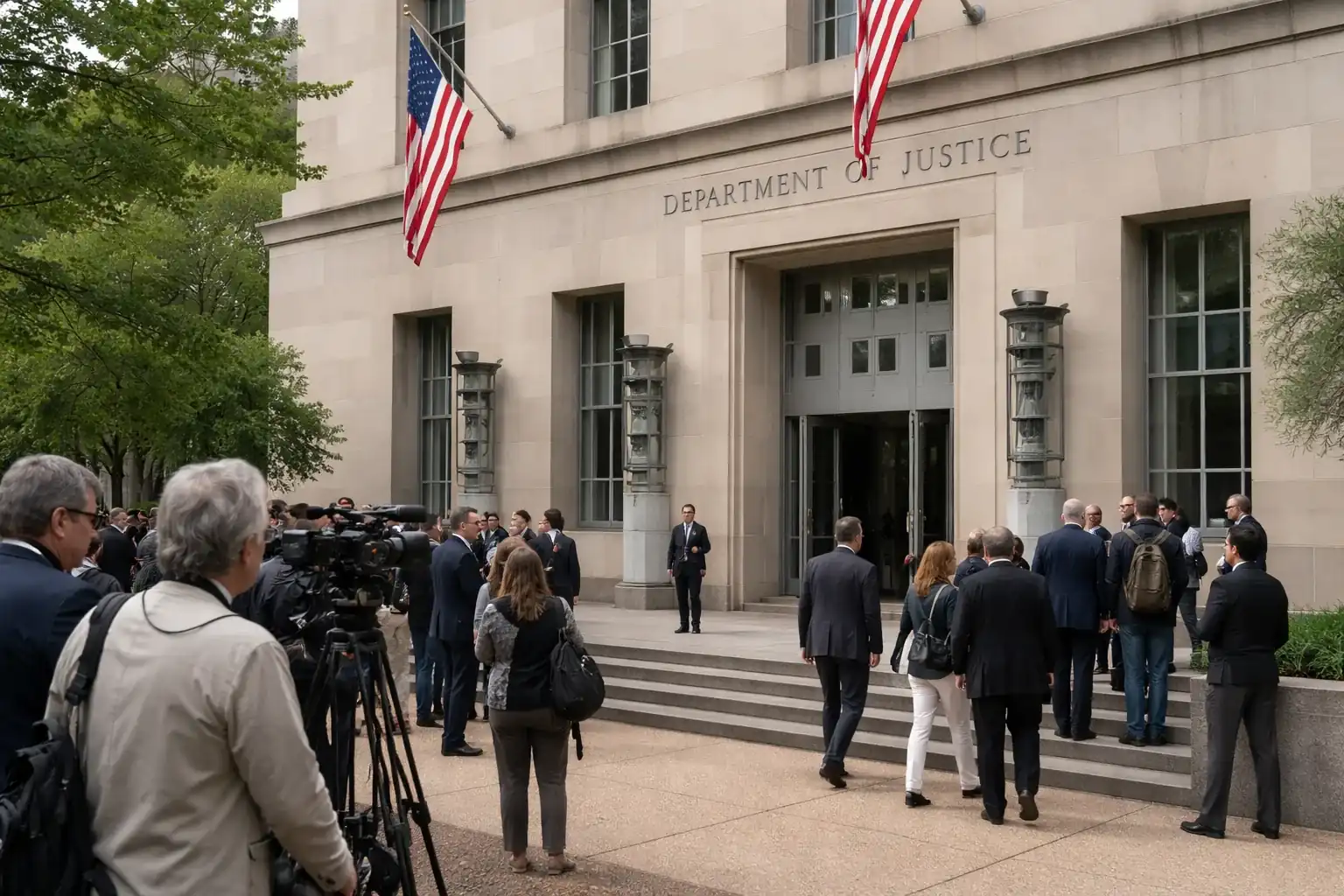
The US Department of Justice (DOJ) announced on Monday that it would comply with a federal court ruling that temporarily blocks the establishment of a $1.8 billion fund. Known as the "anti-weaponisation fund," the initiative was designed to compensate individuals who claim they were unfairly targeted or persecuted by the federal government under previous administrations. The department confirmed it would halt operations despite its strong disagreement with the judge's order.
What's new in this update
In a statement released on Monday, the DOJ confirmed it is pausing the creation of the fund in response to an order from US Judge Leonie Brinkema. The judge has barred the department from taking any steps to stand up or operate the fund—including the processing or dispersal of claims—until a preliminary hearing is held. This move effectively freezes $1.776 billion that had been set aside for the scheme.
Key details
The fund was originally announced as part of a settlement agreement with President Donald Trump over a leak of his tax returns. While the DOJ argued the fund was open to any individual regardless of political affiliation who suffered "tremendous abuse" or "hate," a lawsuit filed in Virginia by two men alleged the scheme was discriminatory. The plaintiffs claimed they were targets of political retribution by the Trump administration but would be excluded from seeking compensation under the fund's criteria.
Background and context
Acting US Attorney General Todd Blanche introduced the fund last month following the removal of Pam Bondi from the top prosecutor role. The initiative immediately faced intense scrutiny; Democrats described it as a "corrupt slush fund," while high-ranking Republicans, including Senate Majority Leader John Thune, expressed sharp opposition. Former Vice-President Mike Pence also weighed in over the weekend, calling the fund a "bad idea from the start" that should be abandoned.
What to watch next
A preliminary hearing is scheduled for June 12, which will decide if the freeze remains in place during the ongoing litigation. In Congress, Senate Democratic Leader Chuck Schumer has pledged to push for legislation that would permanently ban the fund. Meanwhile, Senator John Thune has suggested that the White House should shut the fund down voluntarily if it hopes to pass a significant $72 billion budget reconciliation package for immigration agencies.
Why it matters
This development marks a significant legal and political setback for a signature Trump administration initiative aimed at compensating individuals claiming to be victims of 'lawfare'.
Read next
Follow this story through the topic hub, more world coverage, and the latest updates.
Weekly briefing
Get the week's key developments in one concise email.
Get a fast catch-up on the biggest stories, the context behind them, and the links worth your time.
Cadence
Weekly, for a quick catch-up
Coverage
AI, business, world, security, sports
Format
Clear takeaways and useful context
Request the briefing
Leave your email to open a prepared request and get on the list for the weekly briefing.
Author
See who assembled this story and follow more of their work.
Sources and methodology