Leah Stewart Wakes From Induced Coma Following Sydney Shark Attack
The 34-year-old mother spoke briefly with her family and asked about her daughter after undergoing multiple surgeries, including an arm amputation.

World correspondent
Reports on international affairs, diplomacy, and humanitarian developments with an emphasis on official statements, multilateral institutions, and regional context.
Editorial responsibility: Lead reviewer for geopolitics, international institutions, and crisis coverage
Primary source: BBC World News. Full source links and update notes are below.
Fast summary
Start here
- Leah Stewart regained consciousness briefly on Tuesday to speak with her mother and partner.
- The June 13 attack at Coogee Beach resulted in multiple bites, severe blood loss, and an arm amputation.
- Stewart remains in critical care and is scheduled for several more surgeries in the coming weeks.
What happened
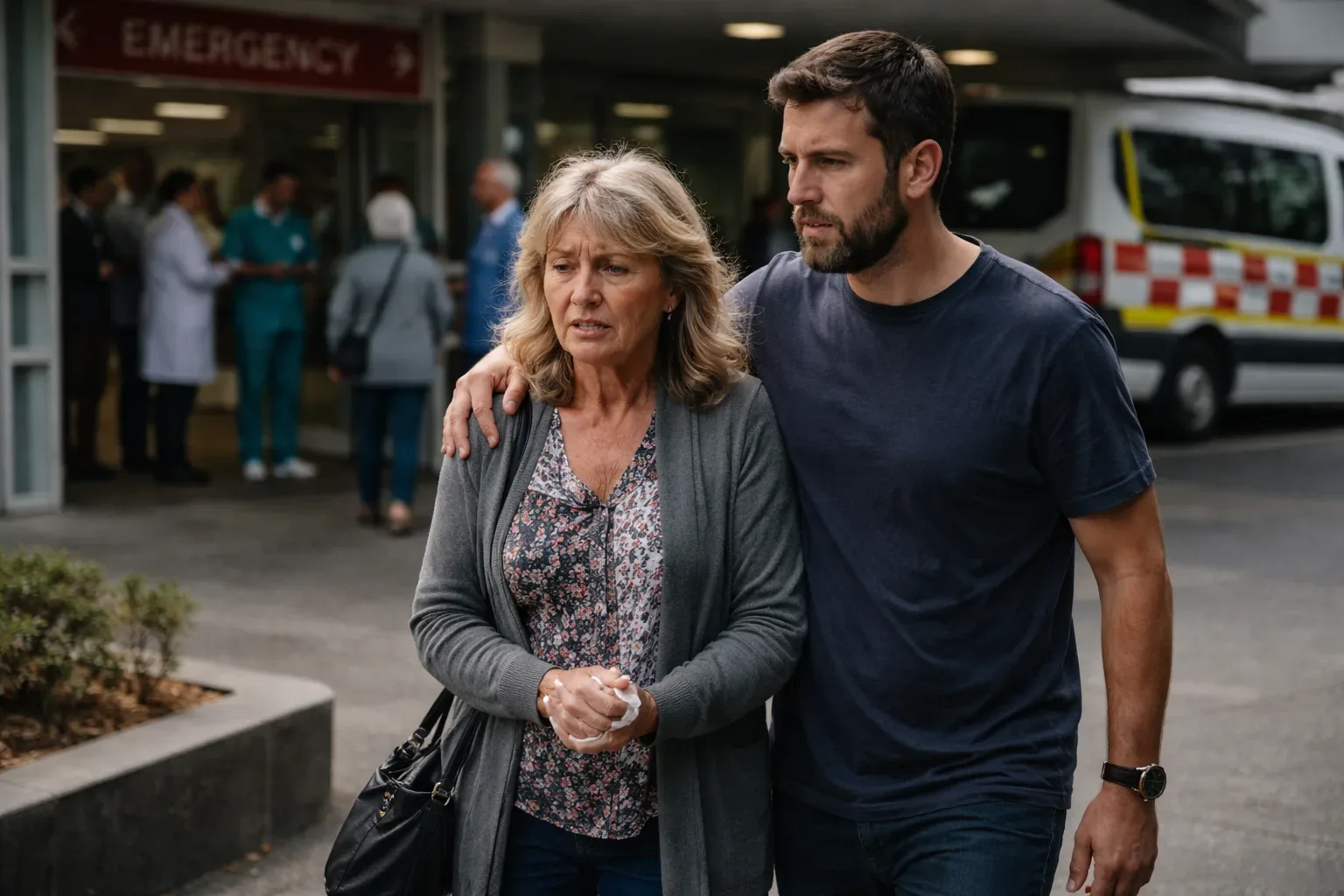
Leah Stewart, the Sydney shark attack victim who was critically injured at Coogee Beach, has briefly woken from an induced coma and spoken with family members, marking a significant early milestone in what is expected to be a long and difficult recovery. According to relatives, the 34-year-old mother was able to communicate with her mother and partner and asked about her daughter after doctors reduced her medication enough for a short period of consciousness.
That update matters because it shifts the public story from immediate survival alone to the first fragile signs of recovery after one of the most severe shark attacks reported in Sydney in recent memory.
Why the medical update is so important
When a patient in critical care wakes after more than a week in an induced coma, even briefly, it is meaningful not because it proves recovery is secure, but because it shows the body has passed one of the earliest and most dangerous stages. In Stewart's case, the injuries were catastrophic, involving severe blood loss, repeated surgery, and the amputation of an arm. Under those circumstances, any return to consciousness carries enormous emotional weight for family and medical teams alike.
That is why the news has resonated so strongly. It is not a conclusion. It is a hard-earned step.
The severity of the Coogee Beach shark attack
The attack at Coogee Beach was serious enough that Stewart required multiple surgeries and prolonged intensive care. Reports of extensive bites to the arms and legs, major blood loss, and emergency trauma intervention point to the scale of the event. Public attention has remained high not only because of the violence of the encounter, but because Coogee is a well-known Sydney beach and the victim survived an ordeal that often proves fatal.
In shark attack coverage, survival updates carry unusual significance because the first story is often one of rescue and emergency response rather than recovery.
Why shark attacks carry such public impact in Australia
Australia has a long and complicated relationship with shark risk. The coastline is central to national life, recreation, and identity, which means every serious attack immediately becomes both a safety story and a social one. People want to know not only what happened to the victim, but whether patterns are changing, whether beaches are safe, and how communities should respond without falling into panic.
That context helps explain why Leah Stewart's recovery has been followed so closely. The public sees both the individual human story and the broader coastal anxiety surrounding it.
The family and rehabilitation dimension
Even as relatives describe her awakening as miraculous, the harder stage may still lie ahead. Critical-care stabilization is only the beginning after injuries of this magnitude. Stewart is expected to face more surgeries and a long course of rehabilitation, which could include pain management, reconstructive care, mobility adjustment, trauma recovery, and eventually the psychological work of living after a life-altering attack.
This is where shark attack stories often disappear from headlines, even though the victim's real struggle is only starting.
Why this case has drawn national attention
The Leah Stewart case has become emblematic of a wider period of concern over shark activity in Australian waters. Earlier incidents this year, including other serious or fatal attacks, have heightened public sensitivity around coastal risk. That does not necessarily mean a simple nationwide surge in danger, but it does mean each new case lands in an environment already primed for alarm and scrutiny.
In that atmosphere, every medical update carries broader symbolic force.
What comes next
The next phase is likely to involve continued intensive care monitoring, additional surgeries, and a slow assessment of longer-term rehabilitation needs. Her family will likely remain central to public updates, especially as decisions about treatment, recovery pace, and eventual rehabilitation become clearer.
For now, Leah Stewart waking from an induced coma after the Sydney shark attack is an important but delicate moment. It marks survival through the first and most brutal stage of trauma, but it does not lessen the severity of what lies ahead. The attack at Coogee Beach may have shocked the public, but the recovery now unfolding is likely to prove even more demanding than the rescue.
Why it matters
The update marks a critical milestone in the recovery of a victim from a high-profile attack during a period of increased shark activity in Australian waters.
Read next
Follow this story through the topic hub, more world coverage, and the latest updates.
Weekly briefing
Get the week's key developments in one concise email.
Get a fast catch-up on the biggest stories, the context behind them, and the links worth your time.
Cadence
Weekly, for a quick catch-up
Coverage
AI, business, world, security, sports
Format
Clear takeaways and useful context
Request the briefing
Leave your email to open a prepared request and get on the list for the weekly briefing.
About the byline
World correspondent
Leila Haddad covers world affairs, diplomacy, and humanitarian crises, with a focus on how fast-moving international developments affect public policy, conflict response, and cross-border institutions.
Sources and methodology