Court Overturns Alex Murdaugh Murder Convictions, Orders New Trial
The state's highest court ruled 5-0 that a court clerk unfairly biased the jury during the 2023 trial for the killings of Murdaugh's wife and son.

World correspondent
Reports on international affairs, diplomacy, and humanitarian developments with an emphasis on official statements, multilateral institutions, and regional context.
Editorial responsibility: Lead reviewer for geopolitics, international institutions, and crisis coverage
Primary source: BBC World News. Full source links and update notes are below.
Fast summary
Start here
- The South Carolina Supreme Court unanimously vacated Alex Murdaugh's two life sentences for the 2021 murders of Maggie and Paul Murdaugh.
- The ruling cited misconduct by Clerk of Court Rebecca Hill, who allegedly influenced jurors to find Murdaugh guilty by telling them not to be fooled by the defense.
- Murdaugh will remain in prison while awaiting a new trial, as he is currently serving decades-long sentences for unrelated state and federal financial crimes.
What happened
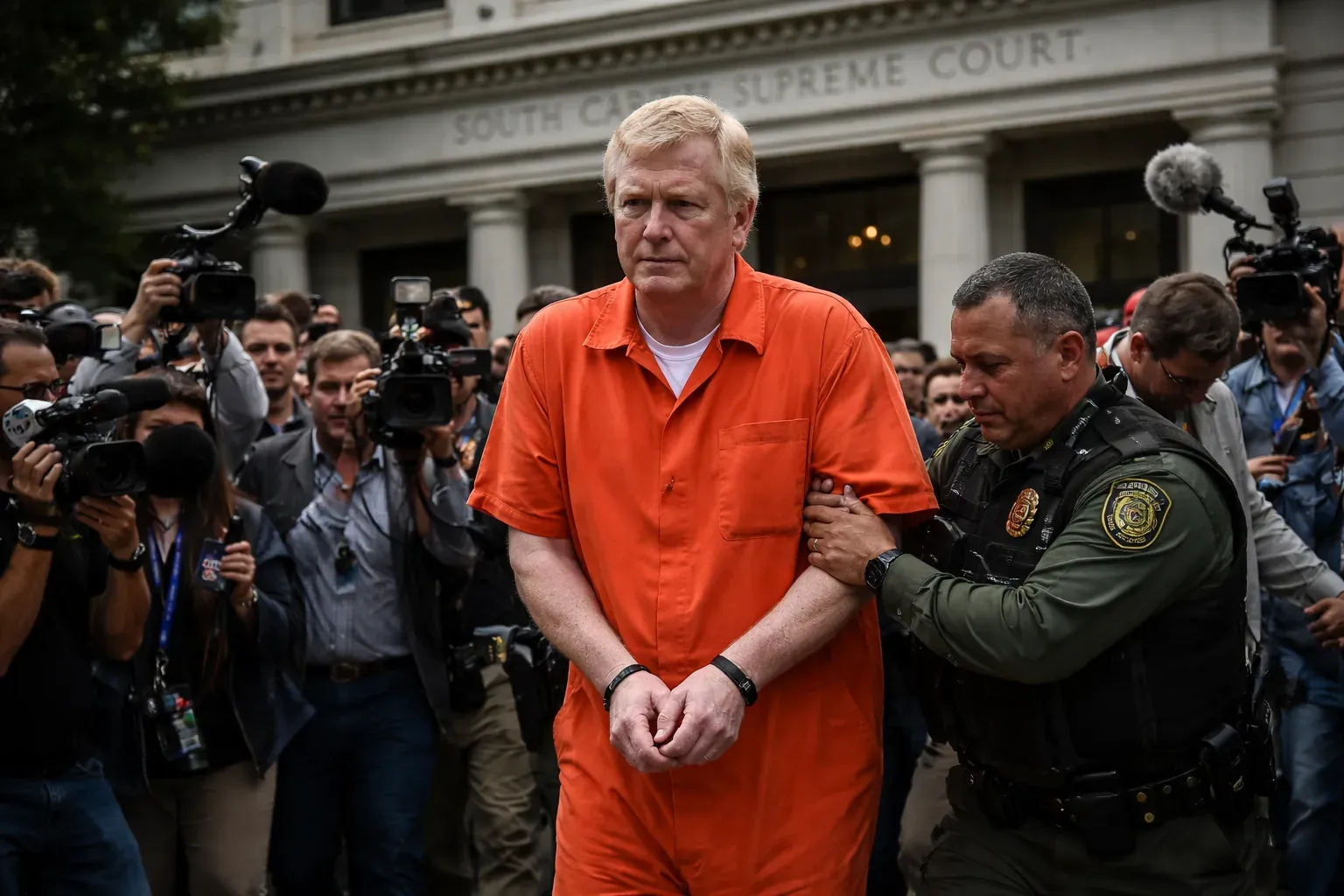
The South Carolina Supreme Court has overturned Alex Murdaugh's murder convictions and ordered a new trial, ruling that jury tampering by former court clerk Rebecca Hill deprived Murdaugh of the fair and impartial trial the law requires. The unanimous decision vacates one of the most closely watched murder verdicts in recent American legal history and reopens the case surrounding the killings of Maggie and Paul Murdaugh.
The ruling does not amount to a finding that Alex Murdaugh is innocent. It means the court concluded that the integrity of the original trial was compromised badly enough that the verdict cannot stand. In high-profile cases, that distinction matters: a conviction can be reversed not because the evidence disappears, but because the process used to reach the verdict is no longer legally trustworthy.
What's new in this update
The justices focused heavily on the conduct of Rebecca Hill, the Colleton County clerk who they said improperly influenced jurors during the 2023 trial. According to the ruling, her comments and actions crossed the line from courtroom administration into active interference with jury independence.
That interference is what pushed the court toward full reversal. In the justices' view, the problem was not a technical or harmless irregularity. It was an intrusion into one of the most protected elements of criminal justice: the jury's ability to deliberate free from pressure by court officials.
Key details
Evidence described by the court included allegations that Hill told jurors not to be fooled by the defense and implied that deliberations should move quickly toward resolution. One juror later said Hill's conduct influenced her own decision-making. The court also took note of Hill's subsequent conduct, including a commercially motivated book project tied to the trial, which deepened concern that she had personal incentives in the case.
Even with the murder convictions overturned, Alex Murdaugh will remain in prison because he is serving lengthy sentences for separate state and federal financial crimes. That means the ruling is legally dramatic but does not immediately alter his custody status.
Background and context
The original Murdaugh trial became a national fixation because it involved a once-powerful South Carolina legal family, allegations of deception, addiction, theft, and the brutal deaths of Murdaugh's wife and son. The prosecution relied not only on crime-scene evidence and behavior after the killings, but also on a larger narrative of collapsing fraud and personal desperation.
That broader narrative may reappear in a new trial, but the supreme court's ruling suggests that the previous proceeding allowed too many improper influences to shadow the jury's work. The decision is also a reminder that the legitimacy of a verdict depends not only on public belief, but on the integrity of every official actor in the courtroom.
What to watch next
The next step is a new trial, though its timing remains uncertain. Prosecutors will need to decide how to present the case again, and the defense will likely try to use the supreme court ruling to reinforce the argument that the original proceedings were shaped by prejudice and misconduct from outside the evidence itself.
Legal observers will also watch the broader effect of the decision. A unanimous high-court rebuke in such a famous case could influence how courts treat future claims of jury tampering and courtroom misconduct by clerks or other court officials.
Why this matters
This matters because the Murdaugh case is no longer only about a notorious murder trial. It is now also a major test of judicial integrity. By overturning the convictions on jury tampering grounds, the South Carolina Supreme Court signaled that even the most high-profile verdict cannot survive if the fairness of the process is compromised. That principle is essential not because it protects one defendant, but because it protects the legitimacy of the justice system itself.
Reader context
This story belongs to Northstar Herald's world coverage, with related entities including Alex Murdaugh, South Carolina, Rebecca Hill, Jury Tampering. The report is based on BBC World News source material.
Related coverage
Why it matters
This ruling nullifies one of the most high-profile murder verdicts in recent history, emphasizing the strict necessity of jury impartiality and the potential for court officials to compromise judicial integrity.
Read next
Follow this story through the topic hub, more world coverage, and the latest updates.
Weekly briefing
Get the week's key developments in one concise email.
Get a fast catch-up on the biggest stories, the context behind them, and the links worth your time.
Cadence
Weekly, for a quick catch-up
Coverage
AI, business, world, security, sports
Format
Clear takeaways and useful context
Request the briefing
Leave your email to open a prepared request and get on the list for the weekly briefing.
About the byline
World correspondent
Leila Haddad covers world affairs, diplomacy, and humanitarian crises, with a focus on how fast-moving international developments affect public policy, conflict response, and cross-border institutions.
Sources and methodology