Shibuya Ward Begins Issuing On-the-Spot Littering Fines to Combat Overtourism
The 2,000 yen penalty targets littering and public drinking in Tokyo's busiest districts as officials struggle to balance record visitor numbers with local resident quality of life.
Primary source: BBC World News. Full source links, newsroom standards, and correction details are below.
Fast summary
Start here
- Fines of 2,000 yen ($13) are now collected on the spot via cash, credit card, or QR code in Shibuya Ward.
- Up to 50 officials have been deployed to patrol the district and enforce the new penalties.
- The measure follows a record influx of 42.7 million foreign visitors to Japan in 2025.
What happened
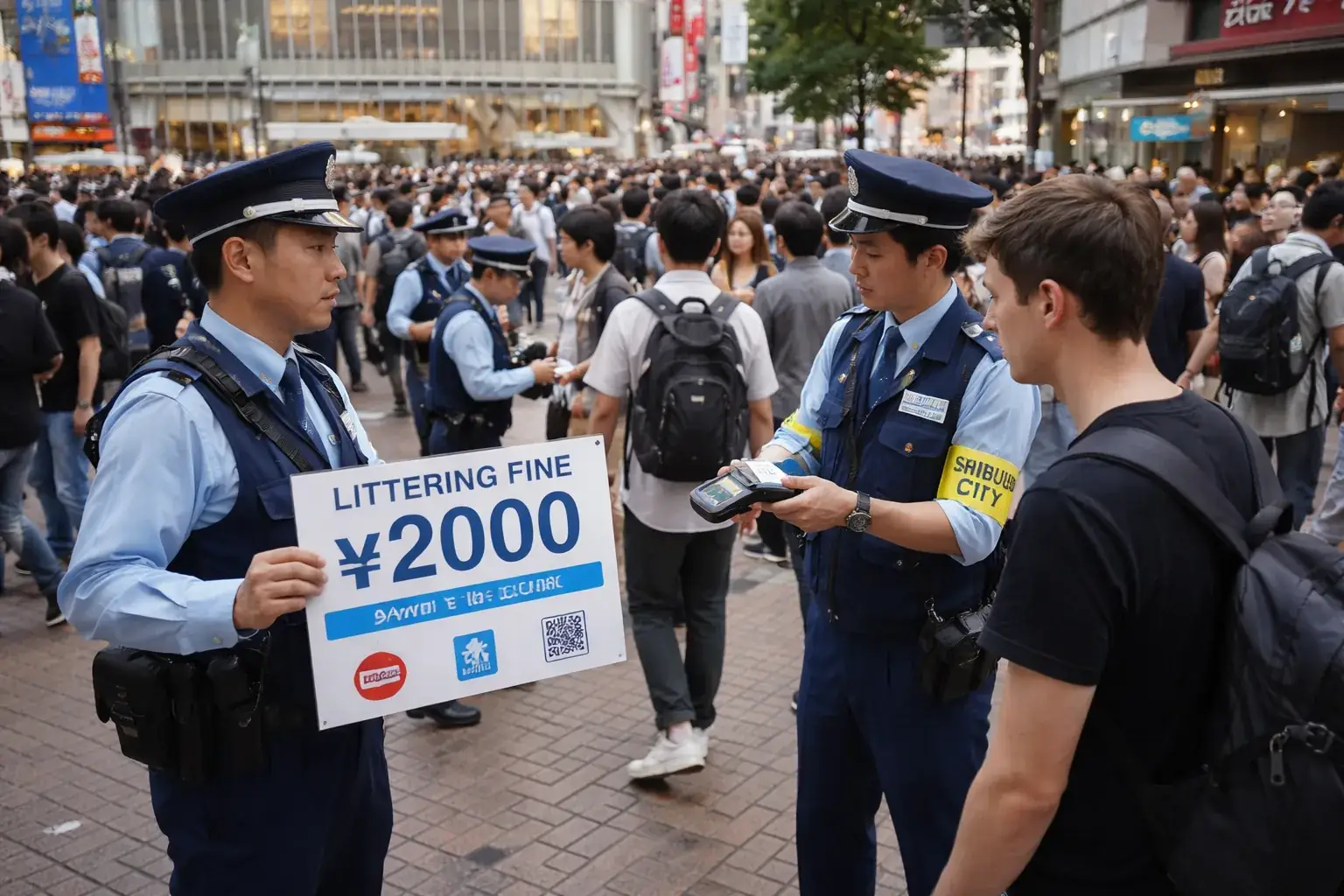
Shibuya Ward, the commercial and entertainment hub of Tokyo known for the famous Shibuya Crossing, has officially launched a fine collection system for littering. Effective Monday, individuals found discarding trash in the street face immediate financial penalties as part of a campaign titled "if you throw trash, you lose cash."
What's new in this update
The new enforcement regime allows patrol officers to collect 2,000 Japanese yen (approximately $13) immediately from offenders. To facilitate the process, officials are equipped to accept payments via cash, credit cards, and QR codes. This marks a shift toward active enforcement as authorities attempt to manage the surge in foreign tourists and public drinking in the area.
Key details
In addition to individual penalties, the new regulations target food and beverage operators who fail to install waste bins at their establishments. Shibuya Ward officials stated in a press release that they cannot tolerate littering despite the historical scarcity of public bins in Japan, which are often limited due to safety and security concerns following past terror attacks.
Background and context
Tourism in Japan has soared following the pandemic, driven by a weakened yen and high social media visibility. However, this growth has tested urban infrastructure. A government survey last year found that a lack of public rubbish bins was the top inconvenience for more than 20% of foreign visitors. Other Japanese regions, such as the town of Fujiyoshida near Mount Fuji, have also faced unmanageable congestion, leading to the cancellation of major cultural events.
What to watch next
The Japanese government is considering several broader measures to mitigate overtourism, including increasing taxes for international visitors and deploying crowd-control applications. These apps will provide real-time updates on district density to encourage tourists to visit less crowded areas or different times of day.
Why this matters
The policy reflects the growing friction between Japan's record-breaking tourism industry and the strain placed on local infrastructure and community standards.
Reader context
This story belongs to Northstar Herald's International Relations coverage, with related entities including Tokyo, Shibuya Crossing, Japan Tourism, Overtourism. The report is based on BBC World News source material.
Related coverage
Why it matters
The policy reflects the growing friction between Japan's record-breaking tourism industry and the strain placed on local infrastructure and community standards.
Read next
Follow this story through the topic hub, more world coverage, and the latest updates.
Weekly briefing
Get the week's key developments in one concise email.
Get a fast catch-up on the biggest stories, the context behind them, and the links worth your time.
Cadence
Weekly, for a quick catch-up
Coverage
AI, business, world, security, sports
Format
Clear takeaways and useful context
Request the briefing
Leave your email to open a prepared request and get on the list for the weekly briefing.
Author

The world desk follows geopolitics, humanitarian crises, diplomacy, and major international developments with an emphasis on fast updates and public-interest context.
Sources and methodology