Ransom Note Claims Nancy Guthrie Died After January Abduction
Investigators reveal that a second message from suspected kidnappers apologized for the 84-year-old's death, claiming it was inadvertent.

World correspondent
Reports on international affairs, diplomacy, and humanitarian developments with an emphasis on official statements, multilateral institutions, and regional context.
Editorial responsibility: Lead reviewer for geopolitics, international institutions, and crisis coverage
Primary source: BBC World News. Full source links and update notes are below.
Fast summary
Start here
- A second ransom note sent on February 6 claimed that 84-year-old Nancy Guthrie died shortly after her kidnapping.
- The initial note demanded millions in bitcoin and displayed intimate knowledge of the victim's Tucson home.
- The Pima County Sheriff's Department and the FBI continue to treat the investigation as active and ongoing.
What happened
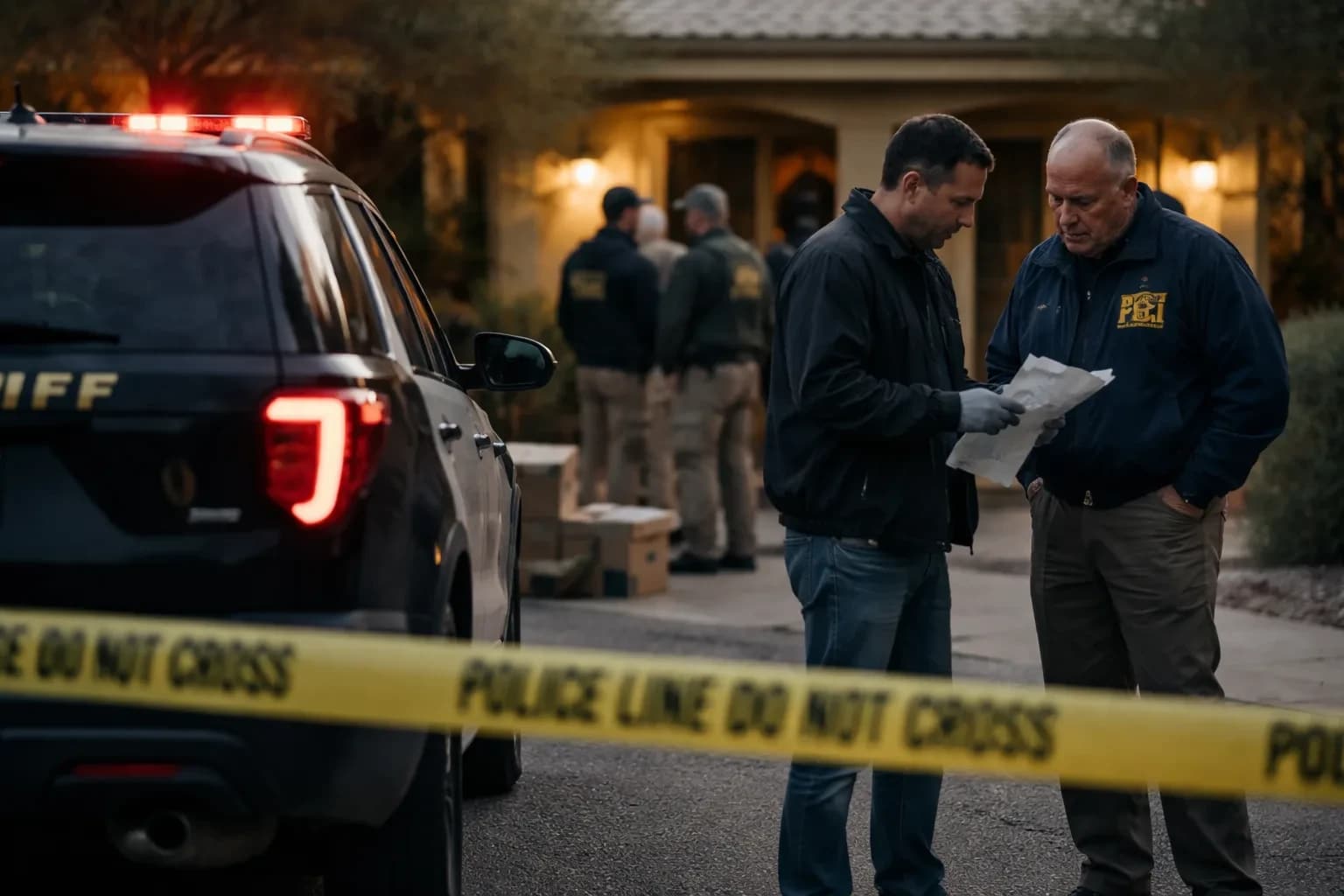
Newly disclosed details in the Nancy Guthrie kidnapping case show that investigators received two ransom notes after the 84-year-old disappeared from her Tucson-area home on January 31. According to reporting cited by authorities, the second message claimed Nancy Guthrie died shortly after the abduction, though law enforcement has not publicly verified that statement as fact.
The disclosure adds a grim new layer to a case that has drawn national attention because Nancy Guthrie is the mother of Savannah Guthrie, co-anchor of NBC's Today. For months, the investigation has been defined by uncertainty: no confirmed recovery, no public declaration of death from investigators, and no clear public explanation of what happened after she returned home.
What's new in this update
A second ransom note, reportedly sent on February 6, differed sharply from the original demand. Instead of focusing on payment instructions, the message allegedly apologized to the family and claimed Guthrie's death was accidental. That detail had not been broadly publicized earlier because authorities asked news organizations to avoid reporting it while the investigation was in a sensitive stage.
This matters because it is the first detailed description of what the suspected kidnappers themselves said happened after the abduction. It does not resolve the case, but it gives the public a clearer sense of why investigators have continued treating every communication, video clip, and forensic lead with extreme care.
Key details
The first ransom note, sent soon after Nancy Guthrie disappeared, demanded millions of dollars in bitcoin for her release. Investigators said that message contained intimate details about her house, including information about the bedroom and the property surroundings. That point is central because it suggests the suspects either entered the home, watched it closely, or had access to information that was not publicly available.
Authorities have also been careful not to present the second note's claim as settled truth. In kidnapping cases, messages from suspects may be manipulative, deceptive, or intended to throw off investigators. Even so, the second note remains a major piece of evidence because it may reveal changes in suspect behavior or an effort to explain why ransom communications stopped evolving.
Known elements in the case include:
- Nancy Guthrie vanished after arriving home on January 31
- A first note demanded a multimillion-dollar bitcoin ransom
- A second note claimed she died after the abduction
- Security footage showed a masked person near the residence
- The FBI and Pima County Sheriff's Department are still investigating
Those details leave investigators balancing two tasks at once: treating the ransom notes as evidence while continuing to test whether the statements inside them are credible.
Background and context
Nancy Guthrie was last known to have been dropped off at her residence near Tucson, Arizona, on January 31. Concern escalated when she failed to attend a virtual church service the following morning, an absence that family members immediately recognized as unusual. As the search intensified, Savannah Guthrie stepped away from her NBC duties for an extended period while the family worked with investigators and made public appeals for help.
The reward structure showed how seriously the family and federal authorities viewed the case. The Guthrie family offered $1 million, and the FBI added $100,000, creating a substantial incentive for tips that could lead to a safe recovery or meaningful evidence. Despite that pressure and the high public visibility of the case, no breakthrough has yet been announced.
The case also raises broader public-safety questions about crimes involving older adults. Elderly victims can face mobility or health limitations that reduce the time investigators have to act effectively. When suspects also use ransom notes and cryptocurrency demands, the challenge becomes even more complex because detectives must combine traditional search work with digital tracing and forensic analysis.
What to watch next
Investigators are likely to keep focusing on forensic evidence, digital tracing connected to the bitcoin demand, and video analysis tied to the masked person seen outside the home. Any confirmation about whether both notes came from the same source, whether the cryptocurrency instructions can be tied to a wallet trail, and whether more surveillance footage exists could materially change the direction of the case.
Another major question is whether authorities eventually move from describing the matter as an active kidnapping investigation to making a formal statement about Nancy Guthrie's status. Until that happens, the second ransom note remains a claim from suspected abductors, not an official conclusion.
Why this matters
The new disclosure about the ransom note in the Nancy Guthrie case matters because it offers the first detailed look at what the suspects claimed happened after the kidnapping. It also shows how ransom communications can function both as evidence and as possible disinformation in a high-profile investigation.
For the public, this is no longer only a missing-person story. It is also a test of whether investigators can authenticate conflicting signals, protect the integrity of a sensitive case, and determine whether the notes describe reality or attempt to conceal a deeper crime.
Why it matters
The revelation provides the first specific indication of the suspects' claims regarding the fate of the high-profile media figure's mother after months of mystery.
Read next
Follow this story through the topic hub, more world coverage, and the latest updates.
Weekly briefing
Get the week's key developments in one concise email.
Get a fast catch-up on the biggest stories, the context behind them, and the links worth your time.
Cadence
Weekly, for a quick catch-up
Coverage
AI, business, world, security, sports
Format
Clear takeaways and useful context
Request the briefing
Leave your email to open a prepared request and get on the list for the weekly briefing.
About the byline
World correspondent
Leila Haddad covers world affairs, diplomacy, and humanitarian crises, with a focus on how fast-moving international developments affect public policy, conflict response, and cross-border institutions.
Sources and methodology