New Ransom Note Disclosed in Nancy Guthrie Kidnapping Case Claims
Investigators reveal a second message from the alleged abductors of Savannah Guthrie's mother, though law enforcement has yet to confirm the status of the

World correspondent
Reports on international affairs, diplomacy, and humanitarian developments with an emphasis on official statements, multilateral institutions, and regional context.
Editorial responsibility: Lead reviewer for geopolitics, international institutions, and crisis coverage
Primary source: BBC World News. Full source links and update notes are below.
Fast summary
Start here
- A second ransom note claims Nancy Guthrie died after her abduction from her Tucson home in January.
- The note, sent in early February, apologized for her death and did not include new financial demands.
- Media outlets cooperated with a law enforcement request to withhold details of the note until now to protect the investigation.
What happened
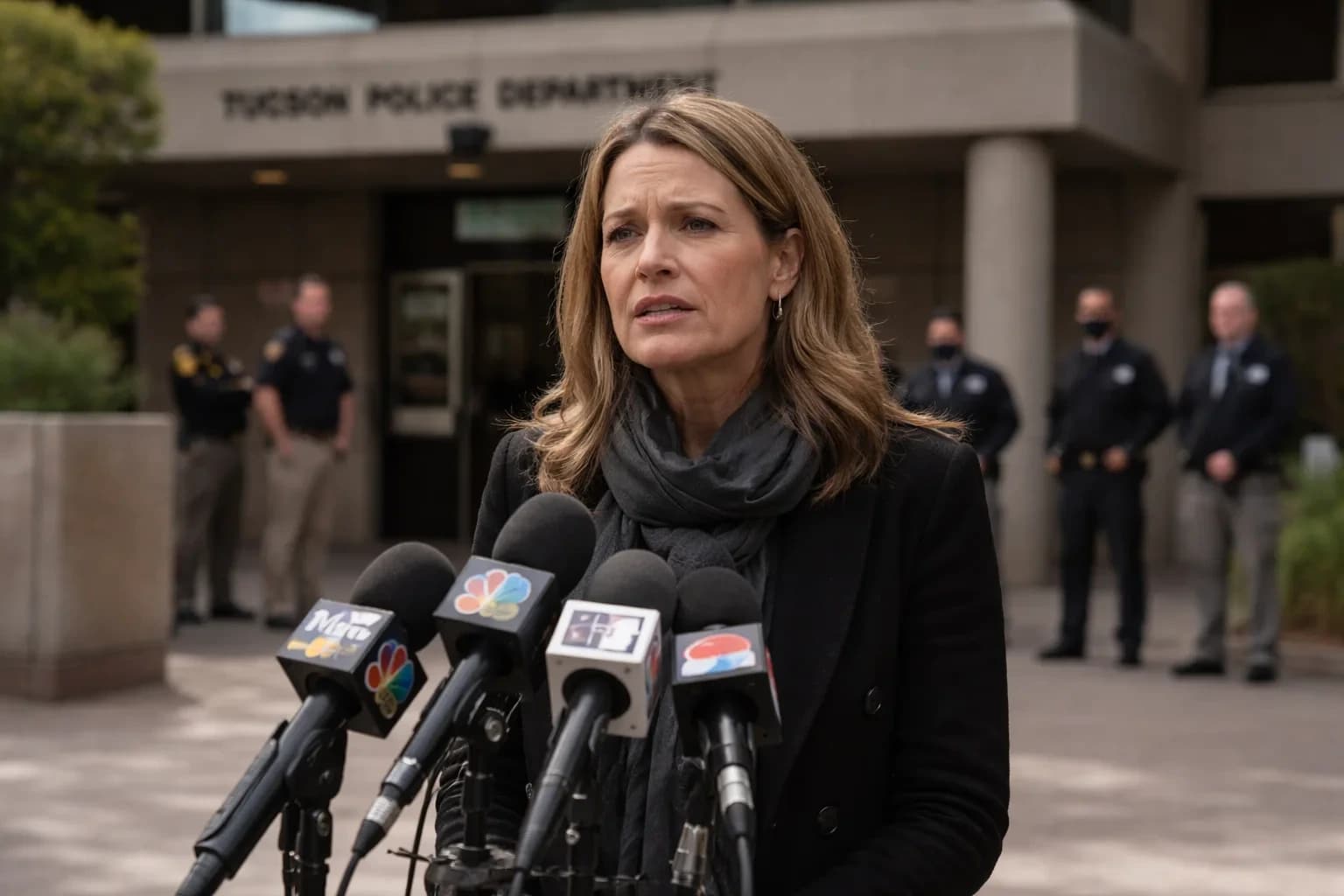
A newly disclosed second ransom note in the abduction case of Nancy Guthrie, the mother of NBC presenter Savannah Guthrie, claimed that the 84-year-old had died after being taken from her home near Tucson, Arizona. The note was reportedly sent in early February, only days after her disappearance, and has now been made public after media organizations said they withheld it at the request of investigators.
The message significantly changes the public picture of the case. Until now, public attention focused largely on the first ransom demand and the continuing hope that Nancy Guthrie might still be found alive. The second note does not settle the question of her fate, but it introduces a darker possibility while also showing how much information law enforcement kept from the public during a sensitive phase of the investigation.
What's new in this update
The major development is not merely the existence of the second note but its content. Unlike the earlier communication, which demanded millions of dollars in bitcoin, the newer message reportedly contained no new financial demand and instead offered an apology, claiming Nancy Guthrie had died while in captivity. Investigators have not publicly verified that claim, and they have not said whether any physical evidence supports it.
Media outlets said they cooperated with an FBI and Pima County Sheriff's Department request to delay publication of the note because authorities believed public disclosure might interfere with the investigation. That decision reflects the difficult balance in kidnapping cases between informing the public and protecting tactics, evidence, or leads that investigators think may still be useful.
Key details
The first ransom note, sent on February 1, reportedly included detailed references to Nancy Guthrie's home and bedroom, facts that suggested the sender had intimate knowledge of the abduction scene. The second note arrived on February 6 and reportedly used language similar to the first, but shifted tone from extortion to explanation.
Several aspects of the case remain unresolved:
- Law enforcement has not confirmed whether Nancy Guthrie is alive or dead.
- No publicly described evidence has verified the second note's claim.
- Investigators continue to work with the FBI on what remains an active case.
- Authorities are still asking for public tips that might identify suspects or relevant activity near the home.
That combination keeps the case in a difficult middle ground: emotionally devastating but still factually incomplete.
Background and context
Nancy Guthrie disappeared on January 31 after relatives dropped her off at her Tucson-area home. Concern escalated quickly when she missed a virtual church service the following morning. Since then, Savannah Guthrie and other family members have made repeated public appeals, describing the anguish of waiting for information while the investigation unfolds.
Kidnapping cases involving public figures or their relatives often generate intense scrutiny, but they also present unusual investigative challenges. Public visibility can increase tip volume and pressure officials to communicate, yet it can also complicate negotiations, expose tactical decisions, or encourage hoaxes and opportunistic misinformation. That helps explain why investigators may have wanted the second note kept from public view for months.
What to watch next
The key question now is whether investigators can determine who sent the notes and whether they were tied directly to the abduction. The second note may prove truthful, deceptive, or strategically misleading. Future developments will likely depend on forensic analysis, digital tracing, witness leads, and any undisclosed evidence that law enforcement has been developing behind the scenes.
Why this matters
This matters because the second note deepens both the emotional weight and the investigative complexity of a high-profile abduction case. It also illustrates how law enforcement and media sometimes coordinate in extraordinary circumstances when disclosure itself could affect the path toward finding a missing person.
Why it matters
The disclosure of the second note shifts the public understanding of the high-profile case and underscores the collaborative efforts between law enforcement and media during sensitive investigations.
Read next
Follow this story through the topic hub, more world coverage, and the latest updates.
Weekly briefing
Get the week's key developments in one concise email.
Get a fast catch-up on the biggest stories, the context behind them, and the links worth your time.
Cadence
Weekly, for a quick catch-up
Coverage
AI, business, world, security, sports
Format
Clear takeaways and useful context
Request the briefing
Leave your email to open a prepared request and get on the list for the weekly briefing.
About the byline
World correspondent
Leila Haddad covers world affairs, diplomacy, and humanitarian crises, with a focus on how fast-moving international developments affect public policy, conflict response, and cross-border institutions.
Sources and methodology