Pope Leo XIV Confronts European Migration Policy During Pilgrimage
Visiting the frontline island of Lampedusa, the pontiff criticized recent restrictive EU border laws and called for a long-term strategy to integrate and

World correspondent
Reports on international affairs, diplomacy, and humanitarian developments with an emphasis on official statements, multilateral institutions, and regional context.
Editorial responsibility: Lead reviewer for geopolitics, international institutions, and crisis coverage
Primary source: BBC World News. Full source links and update notes are below.
Fast summary
Start here
- Pope Leo XIV visited the 'Gate of Europe' monument and prayed for the more than 1,400 migrants who have died or gone missing in the Mediterranean this year.
- The visit serves as a moral rebuttal to the European Union's recent approval of stricter border controls and expanded detention powers.
- The pontiff proposed a comprehensive plan that balances immediate humanitarian relief with long-term strategic aid to help developing nations.
What happened
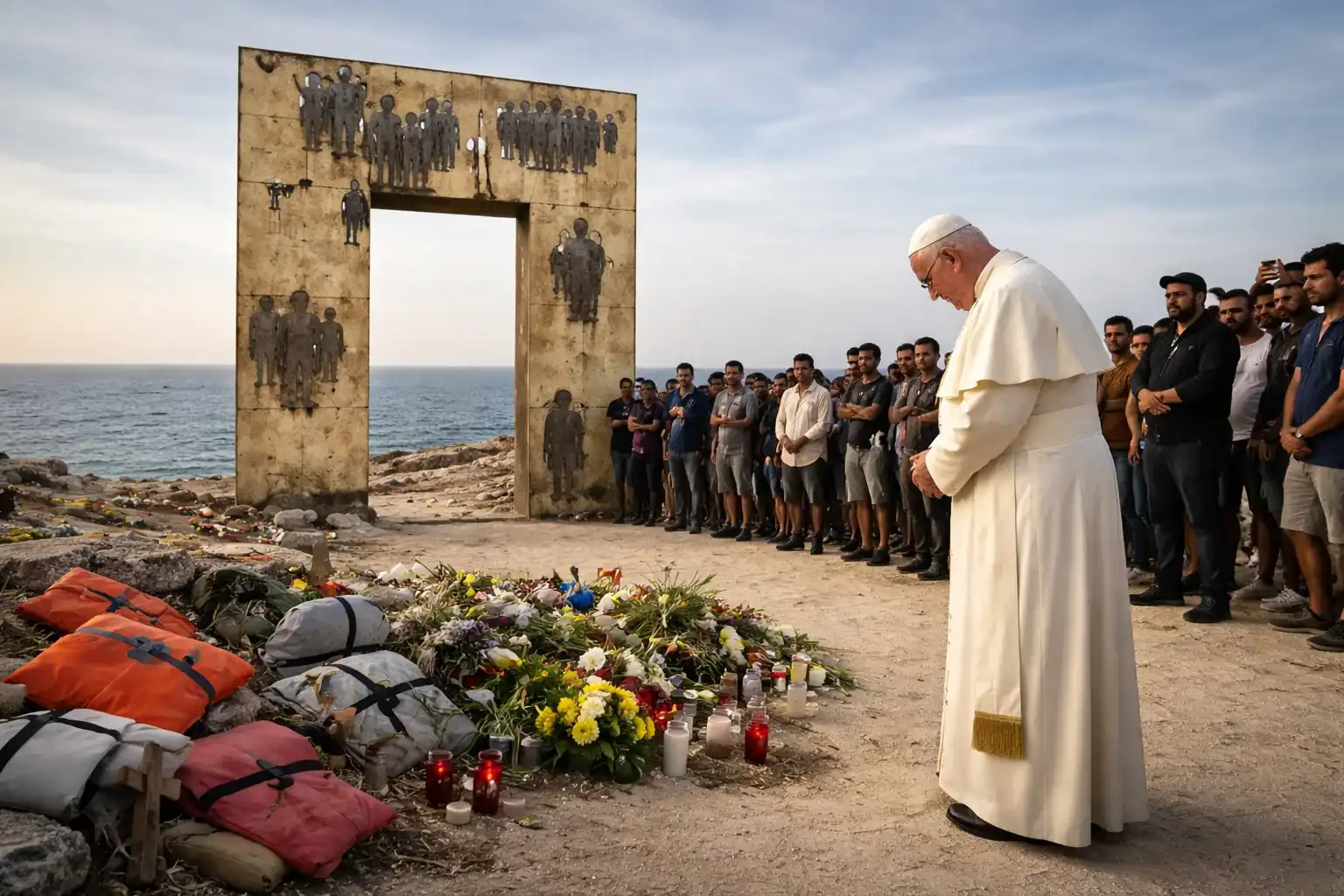
Pope Leo XIV traveled to the Italian island of Lampedusa, a primary gateway for migrants crossing the Mediterranean, to deliver a forceful message to European leaders. During his visit on July 4, 2026, the pontiff held a mass attended by rescue officials, members of the Italian Coast Guard, and newly arrived migrants. He specifically visited the 'Gate of Europe' monument and a local cemetery to pray at the graves of those who perished while attempting the sea crossing from Africa. The Pope used these symbolic locations to highlight what he termed a 'momentous challenge' for European societies, framing the high death toll at sea as a direct consequence of political choices. He called for a shift in focus from deterrence to human dignity, urging a continental effort to better receive and integrate those fleeing conflict or poverty.
What's new in this update
This visit is the Pope’s most direct response to date following the European Union's recent passage of tougher migration rules. Approved only two weeks ago, the new EU framework permits stricter border controls and broader detention powers, reflecting a hardening stance among member states including Italy and the United Kingdom. Pope Leo XIV specifically criticized the logic of these policies, arguing that those lost at sea are victims of both 'decisions that were made and decisions that were not made.' Simultaneously, the pontiff addressed the global dimension of migration through a letter sent to the United States on its 250th anniversary. In that message, he linked the Catholic value of defending life to the act of welcoming immigrants, noting that the sacrifices of newcomers have historically shaped national identities.
Key details
The island of Lampedusa sits just 90 miles off the coast of Tunisia, making it one of the most frequented and dangerous entry points for those entering Europe via the Mediterranean. The local migrant reception center is frequently criticized for overcrowding and substandard living conditions. According to data from the UN's International Organization for Migration, more than 1,400 people have died or gone missing on this route in 2026 alone, a figure that includes at least 28 children. Many of these individuals travel in unseaworthy and overcrowded vessels, which the Pope noted contributes to the 'perilous' nature of the journey. During his address, Leo XIV outlined a four-fold strategy for handling the crisis: receiving, protecting, supporting, and integrating migrants, while also providing economic assistance to their home countries to ensure migration is not forced.
Background and context
Since his election in May 2025, Pope Leo XIV has made the plight of migrants a central pillar of his papacy. This focus has frequently placed the Vatican in direct opposition to various Western governments that have adopted anti-migrant platforms. The Pope has been particularly vocal in his criticism of 'inhuman' immigration stances, a position that has led to friction with leaders such as U.S. President Donald Trump. Lampedusa itself has long been a symbol of the European migrant crisis; the island has seen tens of thousands of arrivals annually for years, straining local resources and serving as a flashpoint for political debate within the EU. Former migrants on the island, such as Kandeh Abdourahman, expressed that the Pope’s visit provides a rare moment of visibility for a population that is often marginalized in legislative discussions.
What to watch next
The Vatican is expected to continue its diplomatic pressure on European capitals as the newly approved EU migration rules begin their implementation phase. Observers will be watching to see if the Pope's call for a 'long-term strategic plan' influences the allocation of European development aid toward North Africa and the Middle East. There is also potential for further tension between the Holy See and nationalist political movements in both Europe and the United States, particularly as the Pope continues to frame migration as a fundamental 'life' issue in his official teaching. The success of his proposed four-pillar approach—receiving, protecting, supporting, and integrating—will likely depend on whether member states are willing to coordinate on humanitarian corridors rather than relying solely on the enforcement of maritime borders.
Why it matters
The Pope's intervention marks a significant escalation in the Vatican's efforts to influence secular migration policy as Western nations shift toward more restrictive border enforcement.
Read next
Follow this story through the topic hub, more world coverage, and the latest updates.
Weekly briefing
Get the week's key developments in one concise email.
Get a fast catch-up on the biggest stories, the context behind them, and the links worth your time.
Cadence
Weekly, for a quick catch-up
Coverage
AI, business, world, security, sports
Format
Clear takeaways and useful context
Request the briefing
Leave your email to open a prepared request and get on the list for the weekly briefing.
About the byline
World correspondent
Leila Haddad covers world affairs, diplomacy, and humanitarian crises, with a focus on how fast-moving international developments affect public policy, conflict response, and cross-border institutions.
Sources and methodology