Looksmaxxing Influencer Clavicular Charged After Alleged Wildlife
Braden Peters faces charges for discharging a firearm in the Everglades following a livestreamed incident that drew scrutiny from wildlife officials.

World correspondent
Reports on international affairs, diplomacy, and humanitarian developments with an emphasis on official statements, multilateral institutions, and regional context.
Editorial responsibility: Lead reviewer for geopolitics, international institutions, and crisis coverage
Primary source: BBC World News. Full source links and update notes are below.
Fast summary
Start here
- Braden Peters, known as Clavicular, was charged with unlawfully discharging a firearm at the Everglades Wildlife Management Area on March 26.
- The incident was captured during a livestream on the platform Kick, allegedly showing gunshots fired from an airboat into swamp water.
- Peters' legal representatives state that he was following a guide's instructions and that no animals or people were harmed during the event.
What happened
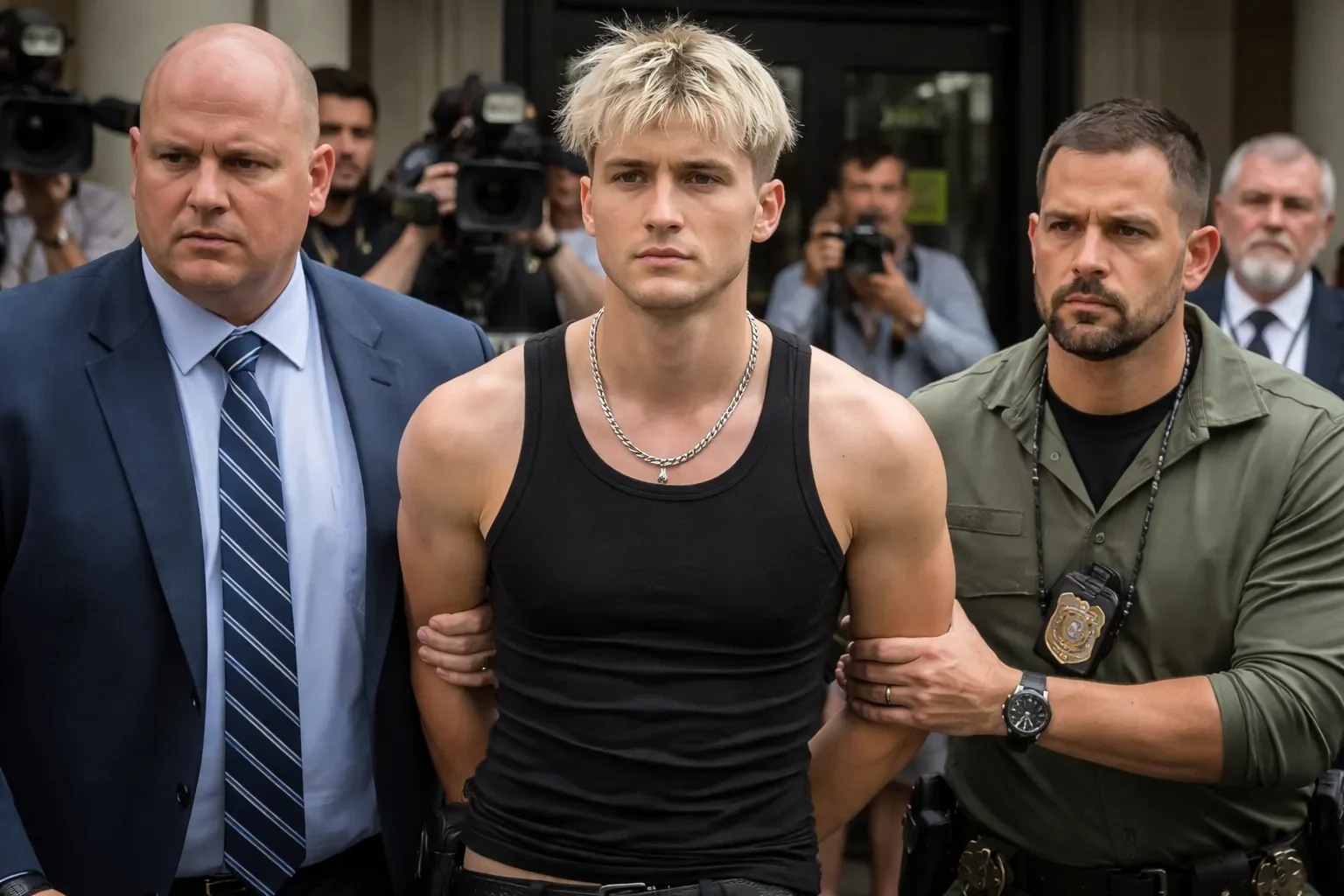
Braden Peters, the Florida social media personality known online as Clavicular, has been charged over an alleged shooting incident in the Everglades Wildlife Management Area after footage from a livestream appeared to show gunfire being discharged from an airboat into swamp water. The case has drawn attention not only because of the alleged firearm offense, but because it sits at the intersection of influencer culture, wildlife law, and the increasingly common reality that public livestreams can become evidence in criminal investigations.
Peters is associated with the "looksmaxxing" subculture, a highly online movement focused on aggressive self-improvement, physical appearance, and performative masculinity. That background matters because the alleged Everglades shooting was not just a private act under investigation. It was content, or at least part of a content-making environment, and that changes how the incident is being understood publicly.
Why the livestream matters
The fact that the alleged shooting was broadcast or recorded in a livestreamed setting is central to the case. In earlier eras, wildlife or firearm offenses often depended on eyewitnesses, officer reports, or physical forensic evidence. Here, investigators appear to have had direct visual material showing the event as it happened, or close to it. That gives the case a distinctly modern character: the alleged offense and the evidence of it were intertwined.
This is increasingly common in social media-driven legal cases. People seeking attention, virality, or audience engagement may end up documenting behavior that investigators later use against them. In such cases, the public performance is not separate from the legal risk. It is part of the legal record.
The Everglades and wildlife enforcement issue
The Everglades Wildlife Management Area is not simply empty open land. It is a regulated environmental zone where firearm use, animal disturbance, and boating activity are governed by specific rules. Even if no alligator or other animal was proven to have been hit, discharging a firearm in that setting can still raise serious legal and conservation concerns.
That is important because wildlife law is often misunderstood by online audiences who frame incidents like this as harmless if no obvious injury is shown on camera. Regulatory regimes do not work that way. A dangerous or unlawful act in a protected area can be prosecutable even when the full physical harm is not immediately visible.
Why Clavicular's online persona shapes the story
Peters' status as a looksmaxxing influencer amplifies the case because internet subcultures built around dominance, transgression, and spectacle often encourage risk-taking behavior. When performance for an audience becomes the organizing logic, boundaries that would matter in ordinary life, including legal and environmental ones, can become easier to ignore.
That does not prove intent in this case, but it helps explain why the story has spread so widely. People are not simply reacting to a wildlife charge. They are reacting to the broader phenomenon of social media figures turning increasingly extreme conduct into entertainment, then colliding with real-world law.
The defense position
Peters' lawyers say he was following the instructions of a licensed airboat guide and that no people or animals were harmed. That defense will likely matter in two ways. First, it may try to shift some responsibility toward the guide or the circumstances of the excursion. Second, it may seek to frame the event as reckless at most, rather than malicious or intentionally targeted.
Whether that argument succeeds will depend on how the court interprets the footage, the exact conduct shown, the applicable wildlife and firearm regulations, and the role of others present on the boat.
What comes next
The case will move through the Miami-Dade court system, where prosecutors are likely to rely heavily on the livestream evidence and any associated witness or guide testimony. Investigators may also keep examining whether any wildlife was harmed, even if that was not immediately established when charges were filed.
For now, the Clavicular case is a reminder that the boundary between stunt content and criminal exposure is thinner than many influencers appear to believe. In the social media era, a reckless act in the Everglades does not disappear into the swamp. It can remain online, replayable, and legally actionable long after the stream ends.
Why it matters
This case highlights the intersection of extreme social media stunts and environmental law, demonstrating how livestreamed content can serve as evidence for criminal charges.
Read next
Follow this story through the topic hub, more world coverage, and the latest updates.
Weekly briefing
Get the week's key developments in one concise email.
Get a fast catch-up on the biggest stories, the context behind them, and the links worth your time.
Cadence
Weekly, for a quick catch-up
Coverage
AI, business, world, security, sports
Format
Clear takeaways and useful context
Request the briefing
Leave your email to open a prepared request and get on the list for the weekly briefing.
About the byline
World correspondent
Leila Haddad covers world affairs, diplomacy, and humanitarian crises, with a focus on how fast-moving international developments affect public policy, conflict response, and cross-border institutions.
Sources and methodology