Israel Claims Hamas Commander Targeted in Gaza City Air Strike
Israeli officials identified Izz ad-Din al-Haddad as an architect of the October 7 attacks and said he was targeted for refusing to disarm under ceasefire terms.
Primary source: BBC World News. Full source links, newsroom standards, and correction details are below.
Fast summary
Start here
- Israeli forces struck a residential building and a fleeing vehicle in Gaza City targeting commander Izz ad-Din al-Haddad.
- Prime Minister Benjamin Netanyahu stated Haddad was responsible for the murder and kidnapping of thousands of Israelis.
- Hamas has not yet confirmed or denied the death of the Qassam Brigades commander following the strikes.
What happened
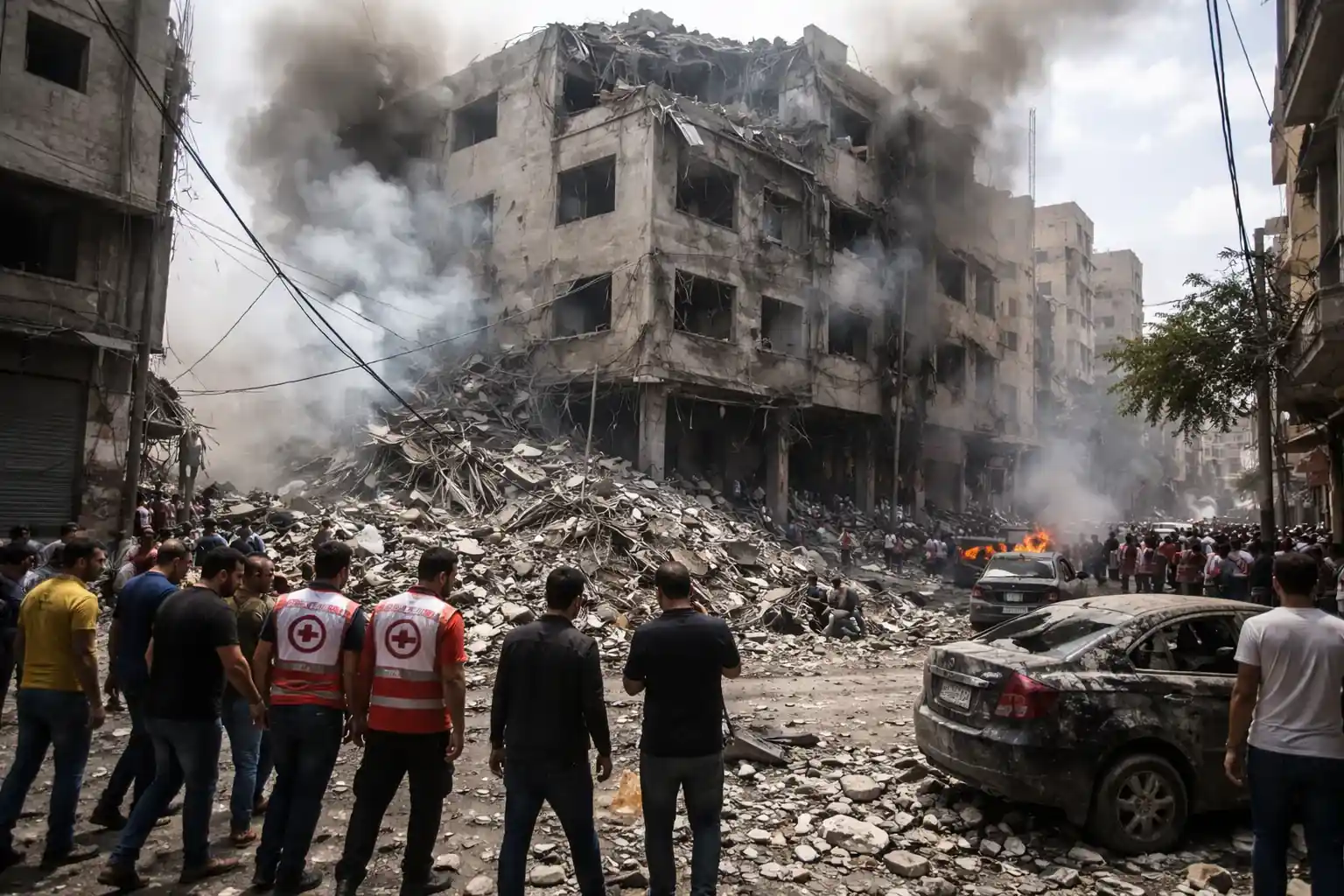
Israel conducted a targeted air strike in central Gaza City on a residential building known as Al-Mu'taz, followed by a strike on a vehicle seen leaving the scene. Israeli Prime Minister Benjamin Netanyahu and Defence Minister Yisrael Katz confirmed in a joint statement that the operation targeted Izz ad-Din al-Haddad, a commander in Hamas's armed wing, the Qassam Brigades. Israel describes Haddad as one of the primary architects of the October 7, 2023, attacks.
What's new in this update
While Israel claims the strike was successful, Hamas has maintained silence regarding Haddad's status. Eyewitness reports indicate that three missiles hit the apartment block simultaneously before a secondary strike targeted a car approximately 1.5km away. Sources suggest the vehicle may have been carrying Haddad after he was severely injured in the initial apartment strike. Three people were reportedly killed in the car attack.
Key details
The strike sparked a large fire in the center of Gaza City, complicating rescue efforts. Witnesses observed armed Hamas members in civilian clothing evacuating a wounded person through a side entrance of the building into the targeted vehicle. Israeli officials justified the strike by claiming Haddad had refused to implement disarmament agreements led by the United States.
Background and context
A ceasefire in Gaza officially took effect on October 10, but hostilities have persisted. Israel maintains it retains the license to target Hamas members who participate in ongoing conflict or refuse to disarm, while Hamas accuses Israel of breaching ceasefire terms by attacking civilians. US-led peace efforts have largely stalled as talks regarding the transition to a technocratic administration and the demilitarization of the territory remain deadlocked.
What to watch next
Observers are waiting for an official response from Hamas to confirm if Haddad was indeed killed. His death could influence the current stalemate in disarmament negotiations and may lead to a military response from the Qassam Brigades, further threatening the stability of the current ceasefire agreement.
Why this matters
The targeting of a high-ranking commander during an active ceasefire underscores the fragility of the peace process and the ongoing deadlock over Hamas disarmament.
Reader context
This story belongs to Northstar Herald's International Relations and Middle East Conflict coverage, with related entities including Israel, Hamas, Gaza City, Izz ad-Din al-Haddad. The report is based on BBC World News source material.
Related coverage
Why it matters
The targeting of a high-ranking commander during an active ceasefire underscores the fragility of the peace process and the ongoing deadlock over Hamas disarmament.
Read next
Follow this story through the topic hub, more world coverage, and the latest updates.
Weekly briefing
Get the week's key developments in one concise email.
Get a fast catch-up on the biggest stories, the context behind them, and the links worth your time.
Cadence
Weekly, for a quick catch-up
Coverage
AI, business, world, security, sports
Format
Clear takeaways and useful context
Request the briefing
Leave your email to open a prepared request and get on the list for the weekly briefing.
Author

The world desk follows geopolitics, humanitarian crises, diplomacy, and major international developments with an emphasis on fast updates and public-interest context.
Sources and methodology