10 Billion Meals at Risk as Iran War Disrupts Global Fertiliser Supplies
Hostilities in the Gulf have blocked critical shipping lanes in the Strait of Hormuz, threatening crop yields and driving a potential bidding war for food.
Primary source: BBC World News. Full source links and update notes are below.
Fast summary
Start here
- The Strait of Hormuz, a conduit for one-third of global fertiliser supplies, is facing severe shipping disruptions due to regional hostilities.
- Global nitrogen fertiliser production has already dropped by 500,000 tons, potentially reducing some seasonal crop yields by 50%.
- Fertiliser prices have surged by 80% since the onset of the conflict involving the US, Israel, and Iran.
What happened
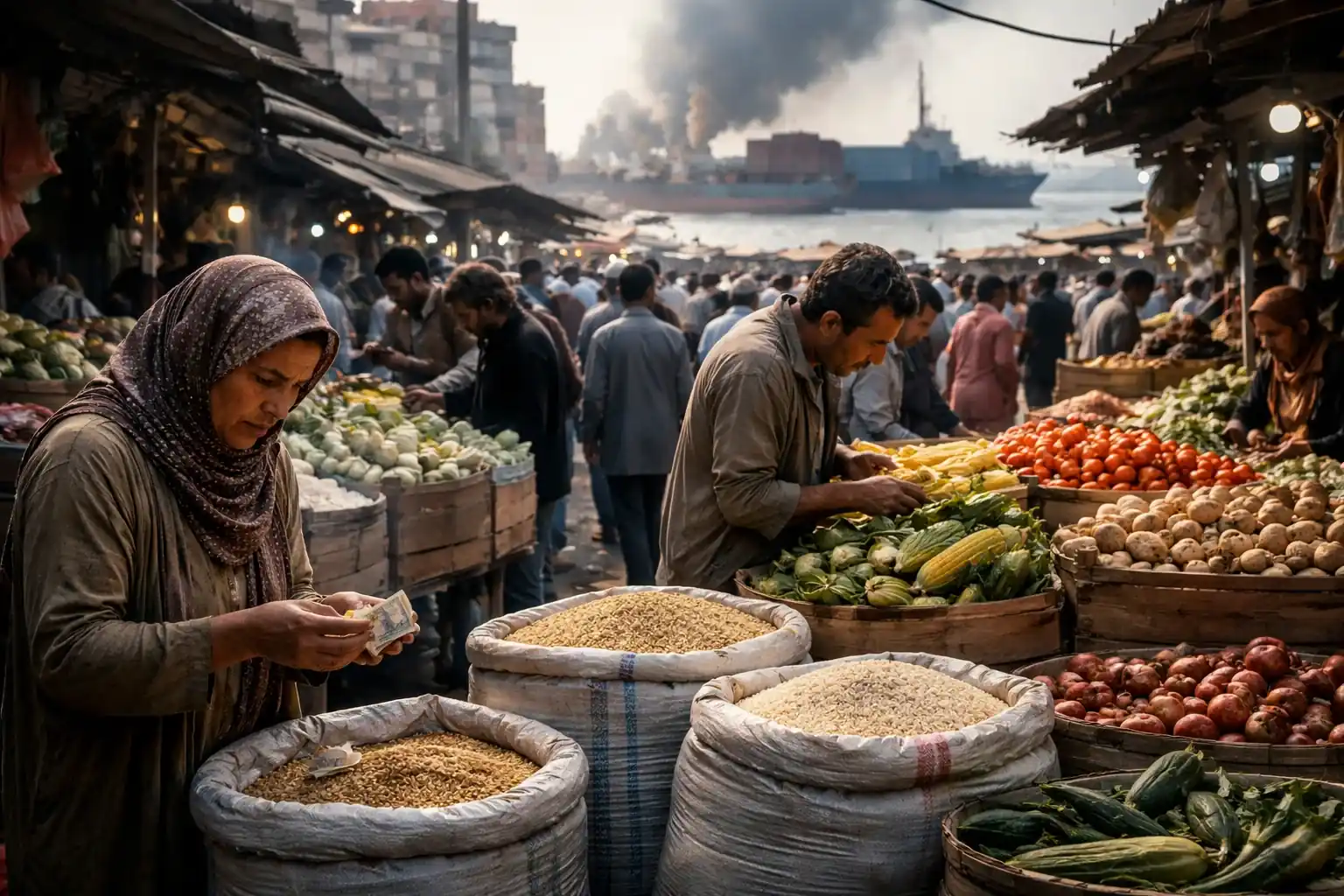
Svein Tore Holsether, the chief executive of fertiliser giant Yara, has issued a stark warning that the conflict in the Middle East is jeopardizing the global food supply. Blockages in the Strait of Hormuz are preventing the flow of essential ingredients like urea, potash, and ammonia, which could lead to a deficit of 10 billion meals per week globally. While wealthier nations like the UK are unlikely to face empty shelves, the rising cost of production is expected to trigger significant price hikes for consumers.
What's new in this update
The latest assessment quantifies the production gap, revealing that half a million tons of nitrogen fertiliser are currently missing from the market. This supply crunch has already driven fertiliser prices up by 80%. Analysts are now warning that while some regions have enough stock for the immediate planting season, a prolonged crisis will cause a massive harvest shortfall in Asia and Africa by the end of the year.
Key details
The impact is expected to be most severe in Sub-Saharan Africa, Southeast Asia, and Latin America. In these regions, under-fertilisation is already a challenge, and further reductions in nitrogen application can slash yields by up to 50% in a single season. The UK and Europe are also vulnerable to secondary effects; the Bank of England and the Food and Drink Federation are already projecting food inflation to reach between 4.6% and 10% by late 2024.
Background and context
The Strait of Hormuz is one of the world's most vital maritime choke points, handling a third of the world's fertiliser trade. Farmers globally are already struggling with a 'scissors effect' where input costs—including diesel for machinery and energy for production—are rising sharply, while the market prices for their crops have not yet risen enough to cover the deficit, making current farming operations increasingly unsustainable.
What to watch next
Attention is shifting to the Asian rice harvests and the end-of-year global crop yields. If the shipping routes remain blocked, the world could enter a 'bidding war' phase where European and Western markets drive prices up to secure supply, effectively pricing out developing nations and exacerbating global hunger.
Why it matters
This disruption threatens the foundation of the global food chain; without fertiliser, yields collapse, leading to a humanitarian crisis where wealthy nations outbid developing ones for limited food stocks.
Read next
Follow this story through the topic hub, more world coverage, and the latest updates.
Weekly briefing
Get the week's key developments in one concise email.
Get a fast catch-up on the biggest stories, the context behind them, and the links worth your time.
Cadence
Weekly, for a quick catch-up
Coverage
AI, business, world, security, sports
Format
Clear takeaways and useful context
Request the briefing
Leave your email to open a prepared request and get on the list for the weekly briefing.
Author
See who assembled this story and follow more of their work.
Sources and methodology