Fitness Pioneer and Former Olympian Les Mills Dies at 91
Les Mills, a four-time Olympian and former Mayor of Auckland who transformed his family gym into an international fitness phenomenon, has passed away at

World correspondent
Reports on international affairs, diplomacy, and humanitarian developments with an emphasis on official statements, multilateral institutions, and regional context.
Editorial responsibility: Lead reviewer for geopolitics, international institutions, and crisis coverage
Primary source: BBC World News. Full source links and update notes are below.
Fast summary
Start here
- Les Mills, the visionary behind the eponymous global fitness brand, has died at age 91, his family confirmed on Saturday.
- Mills represented New Zealand in four Olympic Games and earned five Commonwealth Games medals during a distinguished athletic career in shot putt and discus.
- Beyond sports and business, Mills served three terms as the Mayor of Auckland City, leaving a significant mark on New Zealand’s local government.
What happened
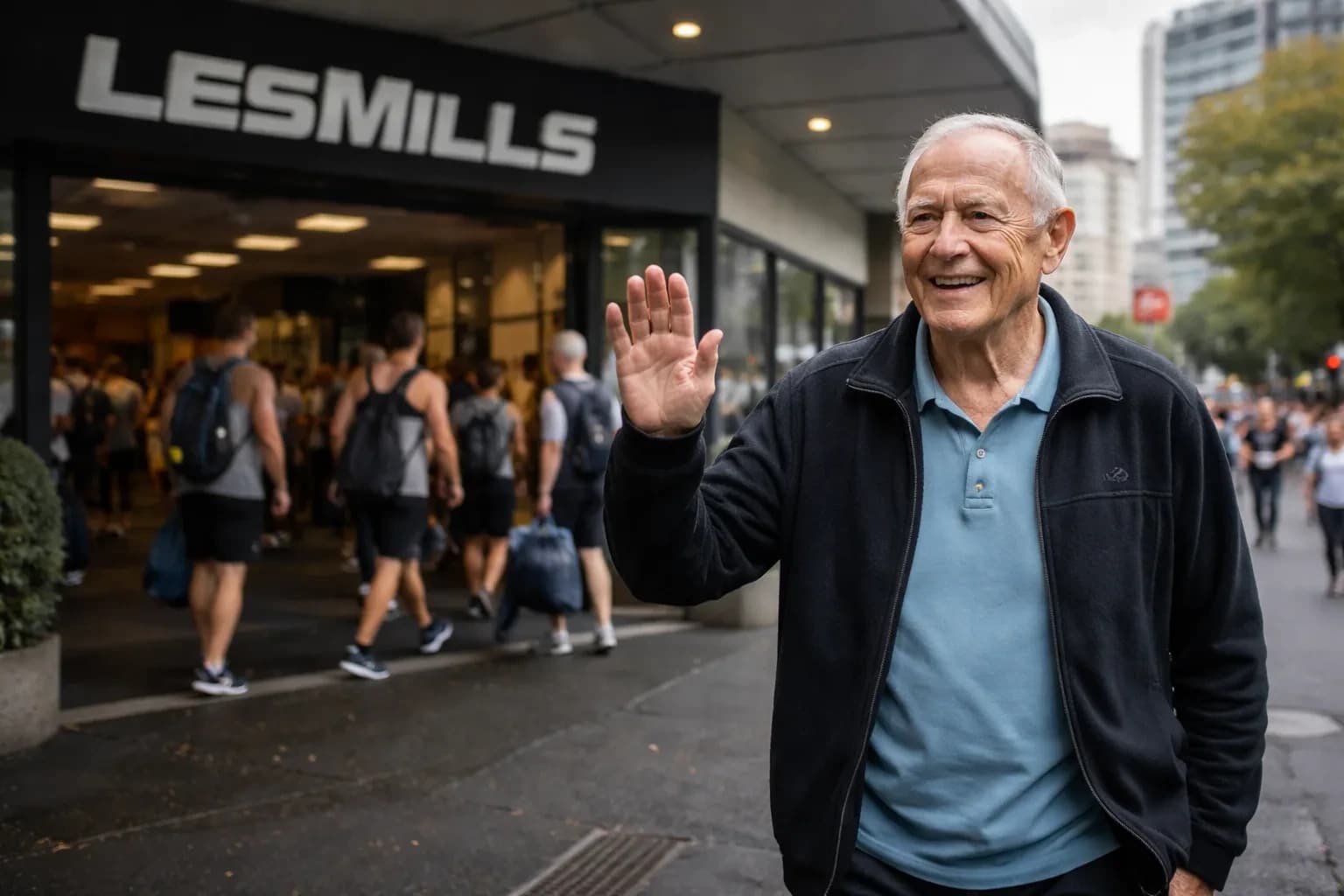
Les Mills, the founding father of the modern group fitness movement and a celebrated New Zealand athlete, has passed away at the age of 91. His death was announced by his family on Saturday, signaling a period of mourning for both the fitness community and the nation of New Zealand. Mills’ son, Phillip Mills, who worked alongside his father to scale the family business into an international powerhouse, described him as a man driven by a lifelong desire to help others. This philosophy underpinned his transition from the competitive world of track and field to the burgeoning fitness industry of the late 20th century. Mills is remembered as a powerhouse of physical strength and a visionary who saw the potential for fitness to become a community-driven global phenomenon.
What's new in this update
Following the announcement of his passing, tributes have poured in from across the sporting and political spectrum. Phillip Mills highlighted his father’s immense strength and commitment to the less advantaged, noting that the spirit of Les Mills lives on in thousands of gyms across the globe. Nicki Nicol, the CEO of the New Zealand Olympic Committee, also released a statement praising Mills for setting a high standard for New Zealand athletes. She emphasized that his place in the nation’s Olympic history is firmly established, noting that his legacy would continue to inspire future generations of competitors. The international fitness brand he helped establish continues to operate in over 100 countries, a testament to the enduring appeal of the choreographed workouts he and his family pioneered for decades.
Key details
Mills’ life was defined by a rare combination of physical prowess and administrative leadership. As an athlete, he specialized in shot putt and discus, representing New Zealand at four Olympic Games and five Commonwealth Games. His crowning athletic achievement came in 1966 at the Commonwealth Games in Kingston, Jamaica, where he won the gold medal in discus. After retiring from elite competition, he transitioned into local politics, serving three terms as the Mayor of Auckland City during the 1990s. His service to the public and the sporting world earned him numerous accolades, including being appointed a Companion of the New Zealand Order of Merit in 2002 and a Member of the Order of the British Empire in 1973 for his services to sport and local government.
Background and context
The Les Mills story began in 1968 when Les and his late wife, Colleen, opened their first gym in Auckland. While it started as a local facility for New Zealanders to improve their health, the business evolved significantly under the guidance of their son Phillip and his partner Jackie. They recognized the potential of combining athletic training with music and choreography, leading to the creation of Les Mills International. This entity developed world-famous programs such as Body Pump and Body Combat, which are now taught by licensed instructors in approximately 20,000 health clubs worldwide. Les remained deeply involved in the sport he loved even while building a business, coaching elite athletes such as world-title-winning discus thrower Beatrice Faumuina, who claimed the world title in 1997 under his guidance.
What to watch next
In the coming weeks, memorial services in New Zealand are expected to honor Mills' extensive contributions to the country's public life and international reputation. The fitness industry will likely see a renewed focus on the Les Mills methodology as the brand continues to navigate the post-pandemic recovery of the health club sector. Phillip Mills has indicated that the company remains committed to his father’s original mission: helping people fall in love with fitness. As the brand explores new digital and virtual class roll-outs, the foundational principles established by Les in that first Auckland gym over 50 years ago remain the cornerstone of the company’s corporate identity. The enduring presence of his name on gym walls worldwide ensures that his influence on physical health and wellness will persist for generations to come.
Why it matters
Mills’ transition from elite athlete to global entrepreneur revolutionized the fitness industry through choreographed group workouts like Body Pump. His leadership in both the private sector and public service left a permanent mark on New Zealand’s cultural and economic landscape.
Read next
Follow this story through the topic hub, more world coverage, and the latest updates.
Weekly briefing
Get the week's key developments in one concise email.
Get a fast catch-up on the biggest stories, the context behind them, and the links worth your time.
Cadence
Weekly, for a quick catch-up
Coverage
AI, business, world, security, sports
Format
Clear takeaways and useful context
Request the briefing
Leave your email to open a prepared request and get on the list for the weekly briefing.
About the byline
World correspondent
Leila Haddad covers world affairs, diplomacy, and humanitarian crises, with a focus on how fast-moving international developments affect public policy, conflict response, and cross-border institutions.
Sources and methodology