Bulgaria’s Dara Reveals Mental Health Struggles Prior to Historic Eurovision Win
The 'Bangaranga' singer considered withdrawing from the competition twice to manage her ADHD diagnosis before securing a record-breaking victory.
Primary source: BBC World News. Full source links, newsroom standards, and correction details are below.
Fast summary
Start here
- Dara secured Bulgaria's first-ever Eurovision win with the song 'Bangaranga' by a record-breaking points margin.
- The artist revealed she almost withdrew twice due to contractual issues and severe anxiety related to a new ADHD diagnosis.
- Bulgarian national broadcaster BNT has confirmed Sofia as the host city for the next competition.
What happened
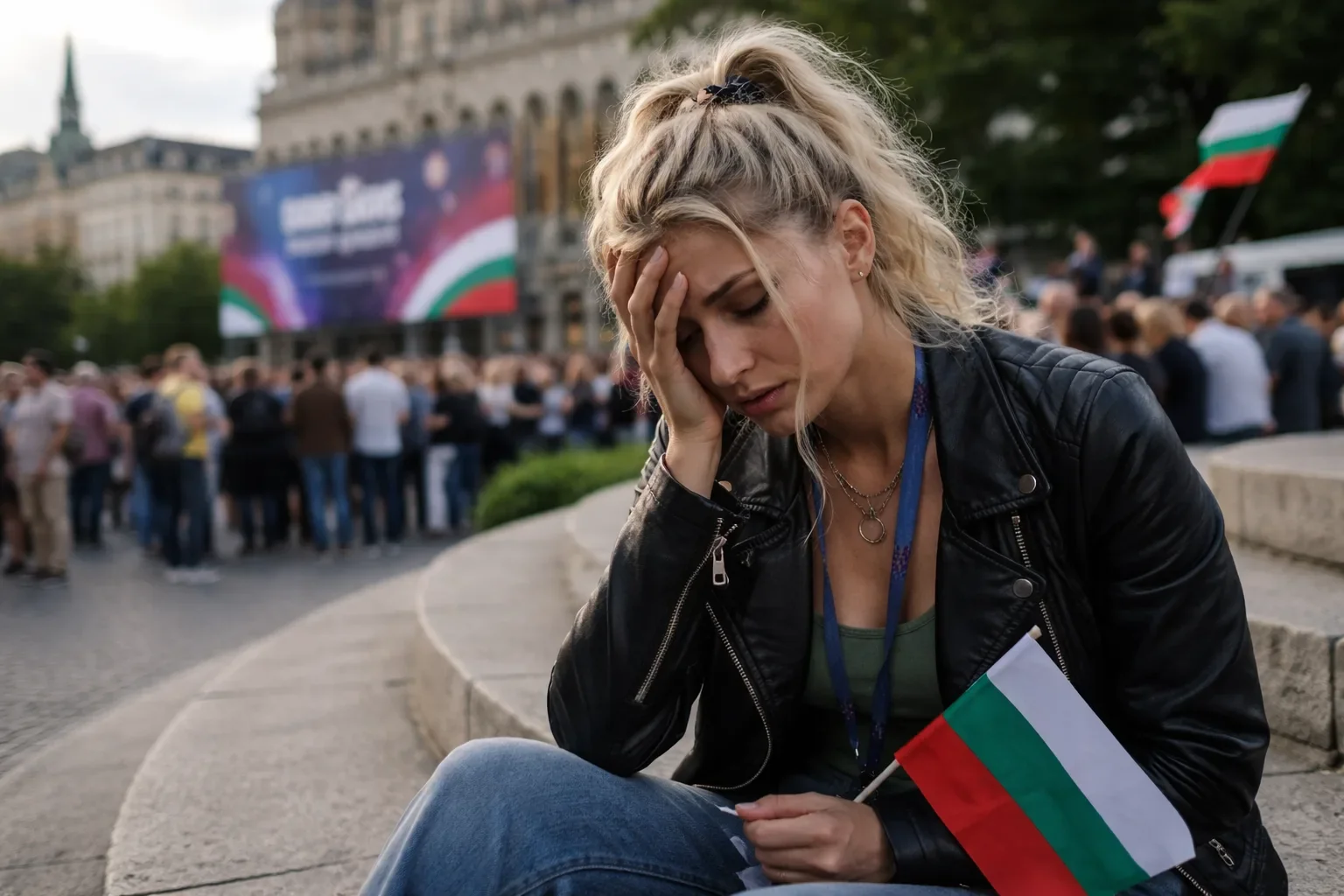
Bulgarian singer Dara won the Eurovision Song Contest in Vienna with her song 'Bangaranga,' marking the first time Bulgaria has secured the top spot in the competition's history. Despite entering as an outside favorite, the performance earned a record-breaking margin of victory from international juries and audiences.
What's new in this update
In a post-win disclosure, Dara revealed that she nearly quit the competition on two separate occasions. The first instance involved disagreements regarding her participation contract, while the second occurred after her selection was announced. She described a physical reaction to the news, involving hours of shaking and anxiety stemming from a recent ADHD diagnosis.
Key details
The 27-year-old singer utilized professional therapy and mindfulness techniques—including journaling, meditation, and breathing exercises—to manage the pressures of the contest. Her victory follows Bulgaria's absence from the competition since 2022, signaling a successful return to the international stage for the nation's music industry.
Background and context
Eurovision is often cited by performers as a grueling environment due to its intense rehearsal schedules and the political narratives that frequently surround the event. Performers in recent years, including the UK's 2024 entry Olly Alexander, have increasingly advocated for mental health support and professional therapy as essential tools for navigating the contest's demands.
What to watch next
The Bulgarian national broadcaster, BNT, has officially confirmed that Sofia will host the next Eurovision Song Contest. Dara is expected to be a central figure in the 2027 event preparations, though she has expressed a desire to prioritize her long-term health and personal life over immediate career expansion.
Why it matters
This victory marks a significant cultural milestone for Bulgaria and highlights the increasing pressure on international performers to manage mental health in high-stakes environments.
Read next
Follow this story through the topic hub, more world coverage, and the latest updates.
Weekly briefing
Get the week's key developments in one concise email.
Get a fast catch-up on the biggest stories, the context behind them, and the links worth your time.
Cadence
Weekly, for a quick catch-up
Coverage
AI, business, world, security, sports
Format
Clear takeaways and useful context
Request the briefing
Leave your email to open a prepared request and get on the list for the weekly briefing.
Author

The world desk follows geopolitics, humanitarian crises, diplomacy, and major international developments with an emphasis on fast updates and public-interest context.
Sources and methodology