China Intensifies Regulatory Push Against Food Delivery 'Ghost Kitchens'
New rules require platforms to verify restaurant licenses and addresses as authorities target thousands of illegal online listings.
Primary source: BBC World News. Full source links, newsroom standards, and correction details are below.
Fast summary
Start here
- Starting this week, delivery apps must verify the physical addresses and licenses of all listed merchants.
- Authorities uncovered over 67,000 ghost shops and 3.6 million fraudulent cake orders across major platforms.
- Major e-commerce companies including Taobao, Meituan, and JD.com have been fined a total of 3.6 billion yuan.
What happened
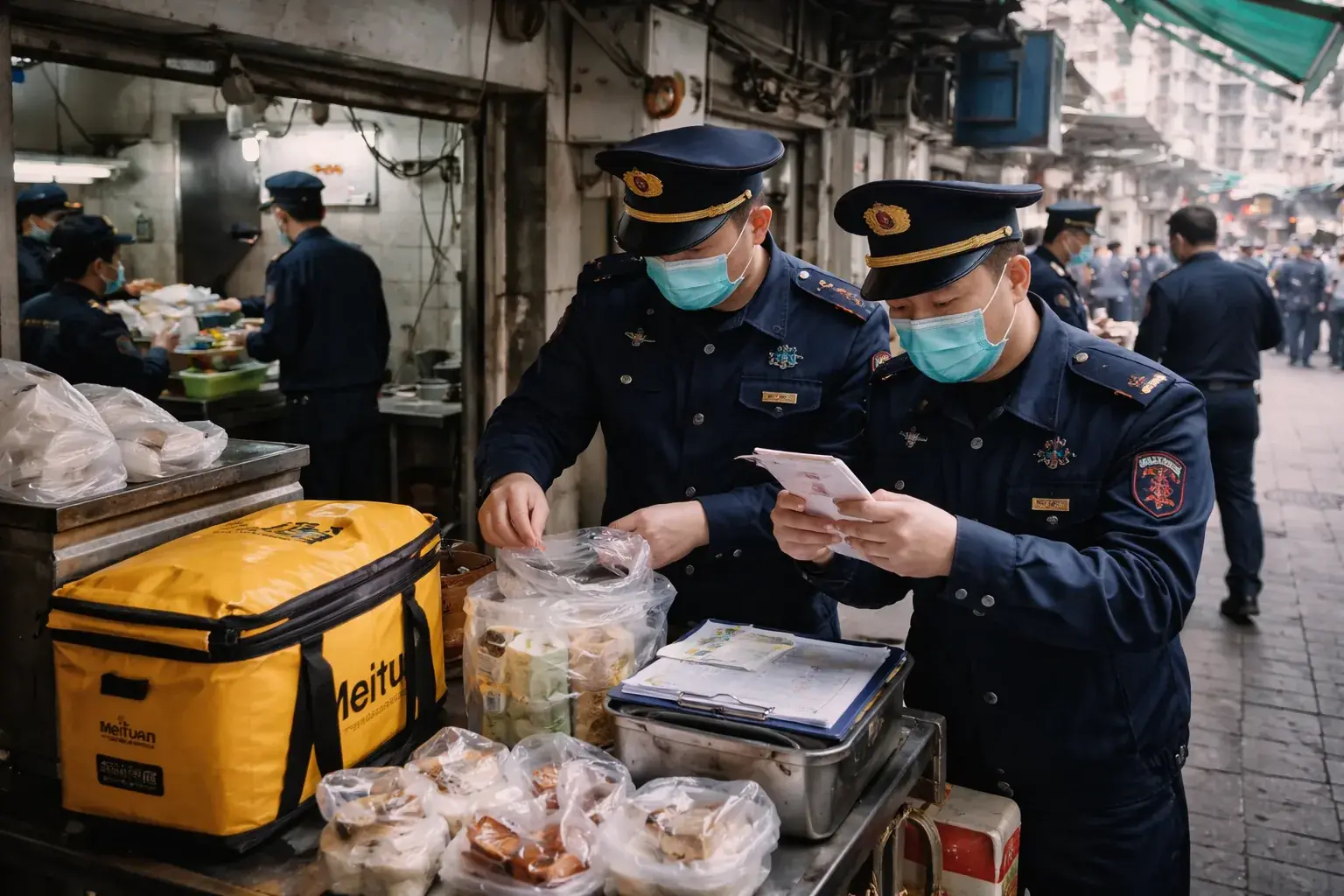
Chinese regulators have launched a significant enforcement campaign against "ghost kitchens"—establishments that exist only as digital listings on food delivery apps. These operations often outsource orders to unlicensed third-party vendors to undercut competitors on price, raising serious concerns regarding food safety and merchant legitimacy. The move is part of a broader effort to rein in what officials describe as a cut-throat industry that has prioritized rapid expansion over consumer protection.
What's new in this update
New regulations taking effect this week mandate that delivery platforms verify every merchant’s license and physical address. Merchants are now required to ensure their online listings match their physical storefronts and clearly state whether they offer dine-in services. In some regions, delivery riders are being incentivized to whistleblow on suspicious kitchens, turning the logistics workforce into a frontline for regulatory enforcement.
Key details
An investigation into a single cake chain revealed nearly 380 online locations without a single physical store, using forged licenses to process 3.6 million orders. Consequently, the State Administration for Market Regulation has fined seven major platforms—including Taobao, JD.com, Meituan, and Pinduoduo—a combined 3.6 billion yuan ($530 million) for their role in facilitating these illegal supply chains through mutual collusion.
Background and context
The scrutiny intensified following a 2023 complaint in Beijing regarding a cake containing inedible materials. The incident exposed a race to the bottom in China's hyper-competitive food delivery sector, where intense price wars between major apps have previously drawn government warnings. Officials noted that platforms were often complicit in ignoring merchant irregularities to prevent sellers from defecting to competing apps.
What to watch next
Regional authorities are experimenting with technological solutions to maintain oversight. In Hangzhou, over 20 takeout stalls have installed "transparent kitchens" that live-stream food preparation to consumers in real-time. In Anhui province, authorities are deploying AI models to monitor kitchen compliance, suggesting a more tech-integrated approach to food safety regulation is being piloted for wider adoption.
Why this matters
The crackdown targets a systemic issue where physical restaurants are bypassed for low-cost, unlicensed production, potentially compromising public health in a massive delivery market.
Reader context
This story belongs to Northstar Herald's world coverage, with related entities including China, Food Delivery, Ghost Kitchens, Regulatory Crackdown. The report is based on BBC World News source material.
Related coverage
Why it matters
The crackdown targets a systemic issue where physical restaurants are bypassed for low-cost, unlicensed production, potentially compromising public health in a massive delivery market.
Read next
Follow this story through the topic hub, more world coverage, and the latest updates.
Weekly briefing
Get the week's key developments in one concise email.
Get a fast catch-up on the biggest stories, the context behind them, and the links worth your time.
Cadence
Weekly, for a quick catch-up
Coverage
AI, business, world, security, sports
Format
Clear takeaways and useful context
Request the briefing
Leave your email to open a prepared request and get on the list for the weekly briefing.
Author

The world desk follows geopolitics, humanitarian crises, diplomacy, and major international developments with an emphasis on fast updates and public-interest context.
Sources and methodology