Slow Food Pioneer Carlo Petrini Dies in Italy
The activist who launched a global resistance against fast food died in his hometown of Bra after decades of advocating for sustainable agriculture.
Primary source: BBC World News. Full source links and update notes are below.
Fast summary
Start here
- Carlo Petrini passed away Thursday at the age of 76 in the north-western Piedmont region of Italy.
- He founded the Slow Food movement in 1986 following high-profile protests against the opening of a McDonald's in Rome.
- The movement grew from a local grassroots group into an international organization active in more than 160 countries.
What happened
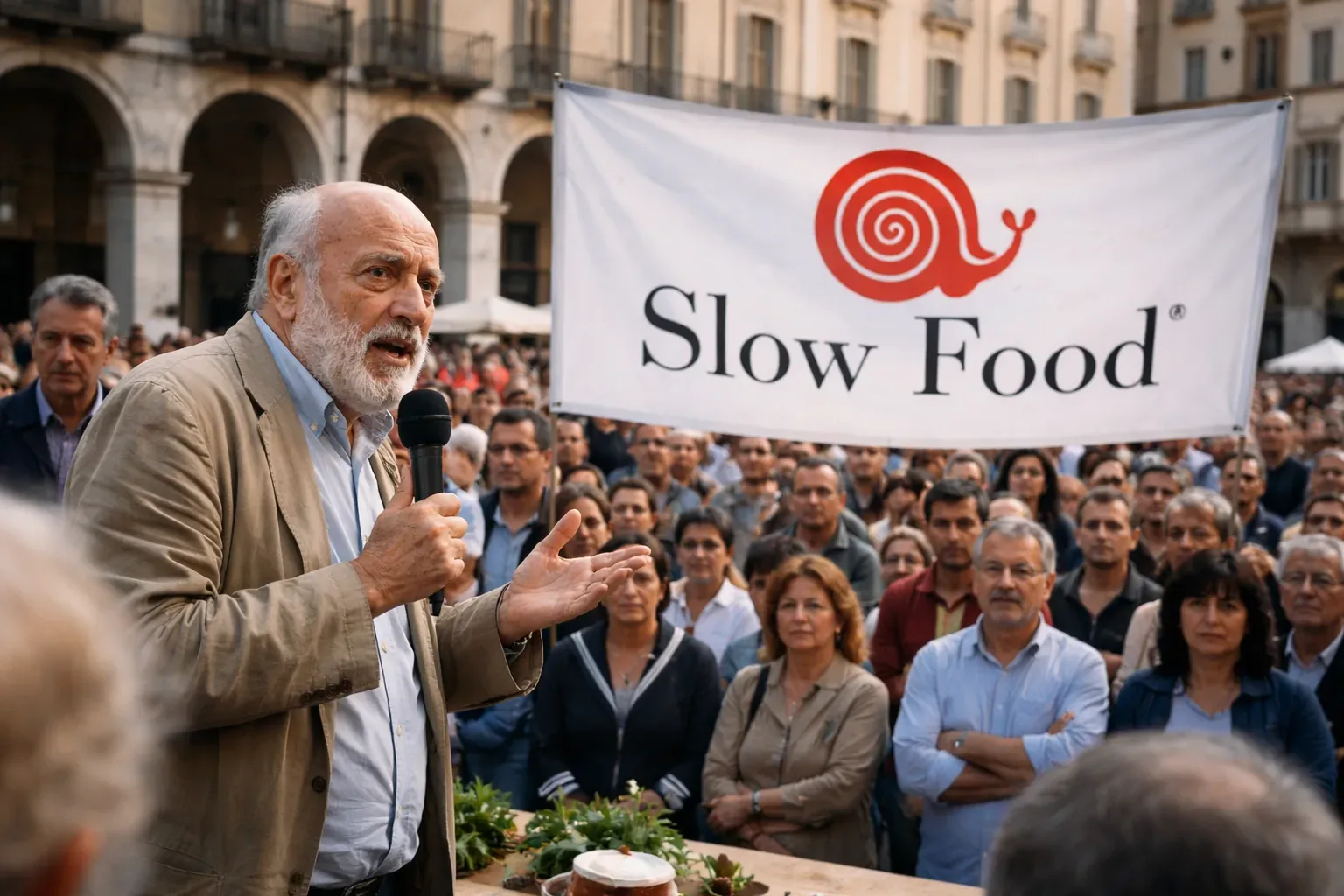
Carlo Petrini, the journalist and activist who founded the Slow Food movement, died on Thursday in his hometown of Bra, Italy. His organization confirmed the passing of the 76-year-old visionary, who dedicated four decades to promoting "good, clean, and fair food for all." Petrini was a central figure in connecting global communities of farmers, artisans, and cooks.
What's new in this update
Following the announcement of his death, Italian President Sergio Mattarella stated that Petrini's passing leaves a "huge void" in both food science and society. While the official statement focused on his legacy, reports from the Reuters news agency indicated that Petrini had been battling cancer in recent years.
Key details
Petrini's influence extended to global leaders and religious figures; he was a noted associate of King Charles III, with whom he shared beliefs in sustainable farming, and he maintained a correspondence with Pope Francis. His work emphasized quality, environmental protection, and equitable economic conditions for food producers.
Background and context
The movement began in 1986 under the name Arcigola, sparked by protests against the opening of Italy's first McDonald's restaurant near the Spanish Steps in Rome. By 1989, the Slow Food Manifesto was signed by delegates from 20 countries, formalizing a pledge to defend traditional food cultures against the "tediousness of fast-food."
What to watch next
The Slow Food organization, which now spans 160 countries, is expected to continue its global campaigning and local grassroots initiatives. The movement's future strategy will likely focus on the challenges Petrini prioritized in his final years, including climate change impacts on agriculture and the preservation of biodiversity.
Why this matters
Petrini's advocacy fundamentally changed the global approach to food production by prioritizing ecological sustainability and the preservation of regional culinary heritage over industrialization.
Reader context
This story belongs to Northstar Herald's International Relations coverage, with related entities including Carlo Petrini, Slow Food Movement, Italy, Sustainability. The report is based on BBC World News source material.
Related coverage
Why it matters
Petrini's advocacy fundamentally changed the global approach to food production by prioritizing ecological sustainability and the preservation of regional culinary heritage over industrialization.
Read next
Follow this story through the topic hub, more world coverage, and the latest updates.
Weekly briefing
Get the week's key developments in one concise email.
Get a fast catch-up on the biggest stories, the context behind them, and the links worth your time.
Cadence
Weekly, for a quick catch-up
Coverage
AI, business, world, security, sports
Format
Clear takeaways and useful context
Request the briefing
Leave your email to open a prepared request and get on the list for the weekly briefing.
Author
See who assembled this story and follow more of their work.
Sources and methodology