Yankees Place Left-Hander Max Fried on 15-Day Injured List
The veteran southpaw is sidelined with a bone bruise, creating an early gap in the New York starting rotation.

Sports reporter
Reports on leagues, tournaments, and athlete developments with an emphasis on verified event details, official announcements, and commercial context.
Editorial responsibility: Lead reviewer for match reporting, tournament context, and league governance coverage
Primary source: ESPN Top Headlines. Full source links and update notes are below.
Fast summary
Start here
- Max Fried is sidelined for at least 15 days following a bone bruise diagnosis.
- The injury marks a significant setback for the Yankees' pitching staff early in the season.
- Roster adjustments are expected to fill the vacancy left by the veteran left-hander.
What happened
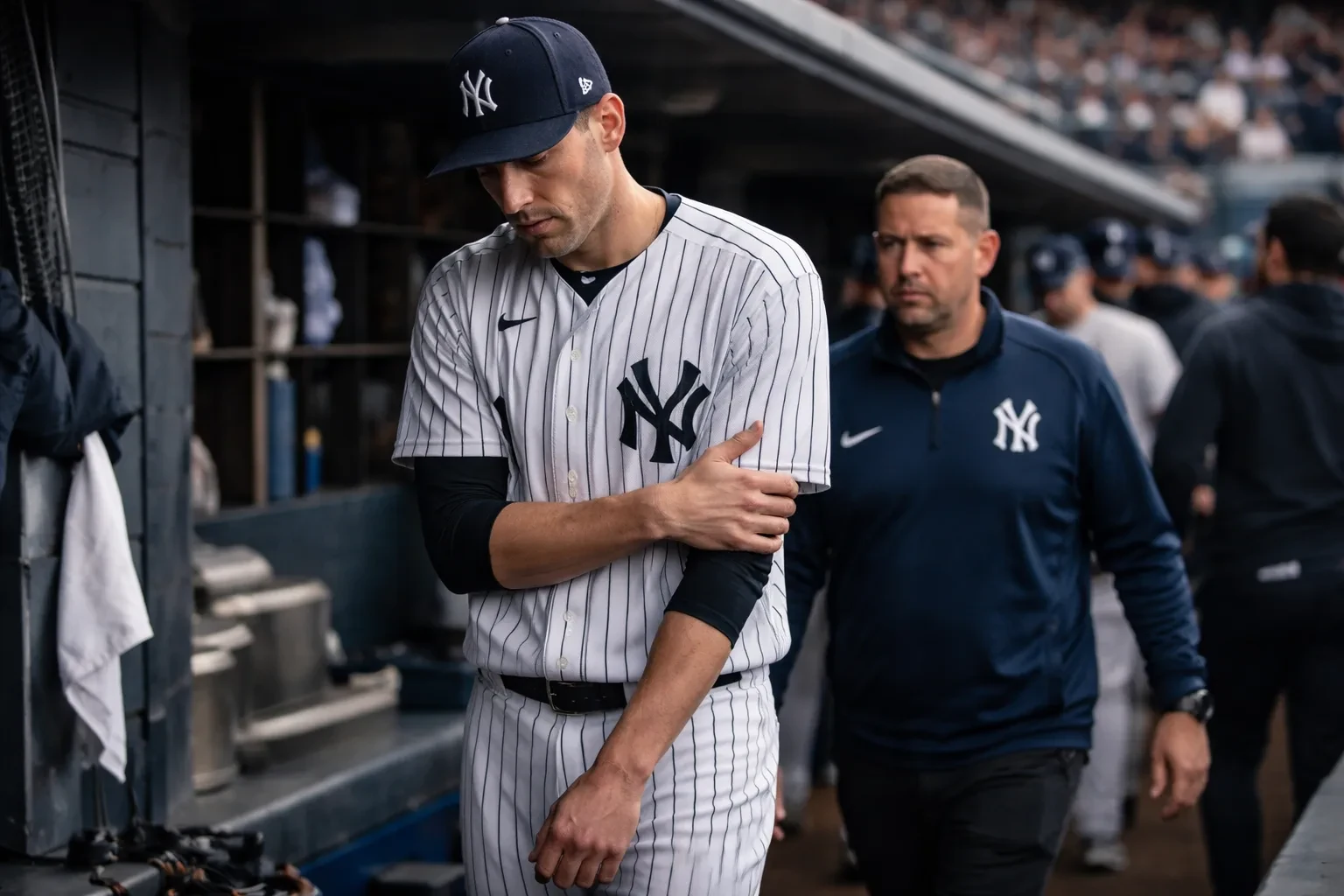
The New York Yankees have placed Max Fried on the 15-day injured list with a bone bruise, removing one of the most important arms in their rotation for at least the short term and forcing an early test of pitching depth. Injured-list moves in May are rarely catastrophic by themselves, but they become much more significant when they involve a frontline starter expected to stabilize a contender over six months and, eventually, into October.
That is why Fried's absence matters beyond the minimum 15-day designation. It changes how the Yankees have to think about innings, matchups, and the margin for error inside a competitive season.
Why Max Fried matters to the Yankees
Fried was not brought in to be just another rotation piece. He was meant to provide high-level left-handed quality, experience, and the sort of dependable start every contender needs when the schedule tightens. A healthy Max Fried changes the shape of a pitching staff because he can absorb difficult assignments, shorten losing streak risk, and reduce pressure on both the bullpen and the rest of the rotation.
That is why even a non-season-ending injury can feel larger than the timeline suggests. The role he fills is not easily replaced one-for-one.
Why a bone bruise can be tricky
Bone bruises often sound minor compared with structural damage, but they can still be frustrating injuries because recovery depends on pain response, function, and how the player handles progression back into baseball activity. A pitcher may technically avoid a major tear and still need careful management because any discomfort can alter mechanics or compensation patterns.
For a starter, that matters even more. Returning too quickly without normal feel or landing stability can create secondary problems.
What this means for the rotation
The Yankees now have to decide how to patch the gap, and that decision matters because rotations are ecosystems. Pull one established arm out and everyone else gets stressed differently. Bullpen usage may rise, swingmen may be stretched, prospects may be considered, and the club has to decide whether to chase stability or upside in the replacement innings.
That is the hidden cost of a 15-day IL stint for a contender. It is not only about missing one pitcher. It is about rebalancing everything around him.
Why timing matters
An early-season injury to a major arm is always easier to absorb in theory than a late-season one, because there is more calendar left to recover and reset. But there is also a reason teams hate these disruptions in May. This is the period when workloads begin to settle, roles become clearer, and early standings pressure starts to feel more real. Losing a key starter during that phase can interrupt the entire rhythm of a staff.
For the Yankees, the goal will be to avoid turning one injury into a chain of overuse elsewhere.
The contender standard
Championship-caliber teams are judged by what happens when things go wrong, not only when the projected roster is intact. Fried's injury therefore becomes a practical test of whether the Yankees built enough starting depth to withstand the first meaningful disruption. If the replacement plan holds, the absence may become a manageable blip. If the rotation starts fraying, the injury will quickly feel much larger than a two-week label suggests.
That is what makes this story important in standings terms. Injuries do not only remove talent. They test architecture.
What comes next
The immediate focus will be on Fried's treatment, whether he responds well to rest, and how quickly the Yankees can establish a stable temporary replacement plan. The next important update is likely to be less about the official IL date and more about whether he has resumed throwing without setbacks.
For now, Max Fried's move to the 15-day injured list is an early challenge for a Yankees team built to contend. The injury may prove temporary, but the consequences are real immediately. New York now has to show that its rotation depth is strong enough to hold the line until one of its most important pitchers is ready to return at full strength.
Why it matters
As a high-profile addition to the Yankees' roster, Fried's absence tests the depth of a rotation built to contend for a championship.
Read next
Follow this story through the topic hub, more sports coverage, and the latest updates.
Weekly briefing
Get the week's key developments in one concise email.
Get a fast catch-up on the biggest stories, the context behind them, and the links worth your time.
Cadence
Weekly, for a quick catch-up
Coverage
AI, business, world, security, sports
Format
Clear takeaways and useful context
Request the briefing
Leave your email to open a prepared request and get on the list for the weekly briefing.
About the byline
Sports reporter
Olivia Park covers sports with an emphasis on competition, governance, and the business forces shaping global leagues, major events, and athlete decision-making.
Sources and methodology