World No. 1 Jannik Sinner Eliminated from French Open After
The world's top-ranked player was a single game away from victory before heat and fatigue led to a dramatic exit. The defeat removes the tournament

Sports reporter
Reports on leagues, tournaments, and athlete developments with an emphasis on verified event details, official announcements, and commercial context.
Editorial responsibility: Lead reviewer for match reporting, tournament context, and league governance coverage
Primary source: ESPN Top Headlines. Full source links and update notes are below.
Fast summary
Start here
- Jannik Sinner was one game away from winning the match before losing his physical edge.
- High temperatures and conditioning issues were cited as primary factors in the world number one's late collapse.
- The elimination marks a major upset in the bracket, clearing the path for other title contenders.
What happened
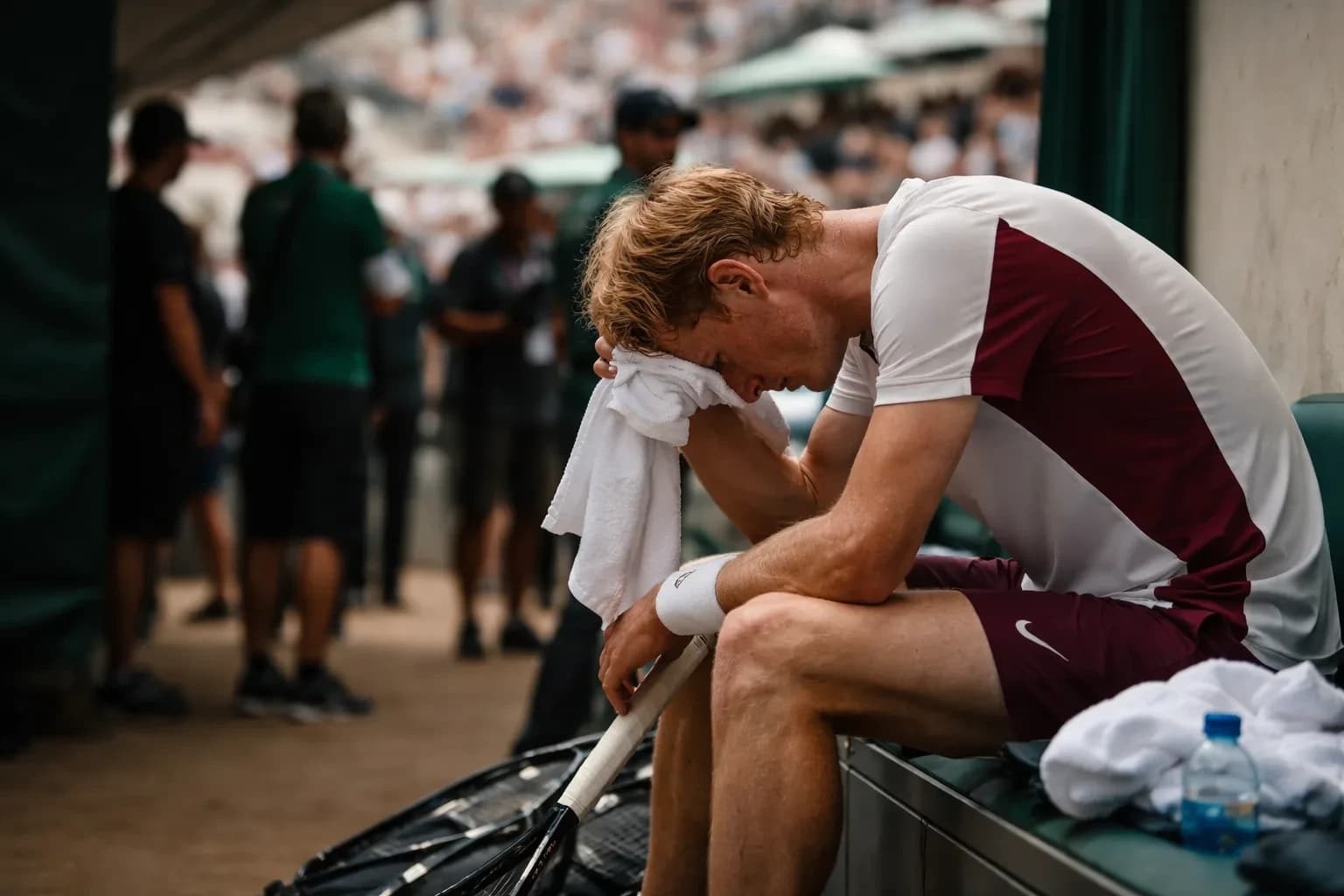
World No. 1 Jannik Sinner has been knocked out of the French Open after a late-match collapse in which he was reportedly just one game away from victory before the contest swung away from him. The defeat is one of the biggest shocks of the tournament because Sinner entered Roland Garros not only as the top-ranked player in the world, but as one of the clearest championship favorites in the draw.
That makes the Jannik Sinner French Open exit about more than one lost match. It changes the entire shape of the men's bracket and raises new questions about how his body handled heat, stress, and extended clay-court demands in the closing stages.
Why the collapse was so significant
Tennis losses are common. Match collapses from a position one game away from victory are something else entirely, especially for the world No. 1. When a top player gets that close to the finish line and cannot close, the discussion naturally expands from tactics to nerve, conditioning, and physical resilience.
In Sinner's case, the reports point heavily toward fatigue and heat. That matters because it suggests the turning point was not simply that his opponent found a better pattern or made one brave late surge. It suggests the match may have become unwinnable for Sinner physically before it became unwinnable on the scoreboard.
Why heat and endurance matter at Roland Garros
The French Open is unique because long rallies on clay place a special tax on movement, patience, and leg endurance even before weather becomes a factor. Add heat to that environment and the court can become brutally demanding. A player has to defend longer, slide more, recover more carefully, and keep decision-making sharp while the body is under stress.
That is why a late-match physical drop at Roland Garros is so damaging. Once legs go and shot tolerance declines, the opponent does not need to hit miracle tennis. They only need to extend points, stay composed, and let the court amplify the weakness.
What this says about Sinner's current profile
Sinner has built his rise on elite baseline quality, composure, and the ability to impose tempo on opponents. But every top player, even at No. 1, still has a set of conditions under which the game becomes more fragile. If heat exposure and long clay matches remain a point of vulnerability, rivals will notice. They may not be able to create those conditions directly, but they will know that dragging him into longer physical battles can still yield opportunity.
That does not erase his status or his season. It does mean this French Open loss will be studied as a reminder that dominance on tour does not automatically translate into invulnerability in every major environment.
Why the upset changes the tournament
Any time the top seed exits early, the championship picture shifts immediately. Players in Sinner's section of the draw no longer have to plan around facing the most accomplished active threat in that segment. Psychologically, the tournament opens. Competitors who might have viewed the path as blocked now see a genuine chance.
That is why this is not just a personal setback. The Sinner collapse materially changes the competitive landscape at Roland Garros.
What to watch next
The next focus will be on how Sinner and his team explain the loss, what they say about physical preparation, and how quickly he resets heading into the grass season. Watch for whether the emphasis stays on extreme conditions or expands into a broader review of endurance management and late-match physical conservation.
Why this matters
Jannik Sinner's French Open elimination matters because it removed the world No. 1 from the tournament at a moment when he seemed close to control. A loss like this does not just alter a draw. It creates a narrative test for a top player: whether the collapse is remembered as an isolated heat-driven exception or as a meaningful clue about the limits of his current major-championship durability on clay.
Why it matters
Sinner's departure removes the top seed from the French Open, significantly altering the championship landscape and raising questions about his stamina in heat.
Read next
Follow this story through the topic hub, more sports coverage, and the latest updates.
Weekly briefing
Get the week's key developments in one concise email.
Get a fast catch-up on the biggest stories, the context behind them, and the links worth your time.
Cadence
Weekly, for a quick catch-up
Coverage
AI, business, world, security, sports
Format
Clear takeaways and useful context
Request the briefing
Leave your email to open a prepared request and get on the list for the weekly briefing.
About the byline
Sports reporter
Olivia Park covers sports with an emphasis on competition, governance, and the business forces shaping global leagues, major events, and athlete decision-making.
Sources and methodology
- https://www.espn.com/tennis/story/_/id/48899642/no-1-jannik-sinner-wilts-heat-eliminated-french-open