Wrongful Death Lawsuits Filed in Connection with Greg Biffle Plane
Legal action has been initiated by the families of two victims killed in the October 2024 crash of a Cessna 210 owned by the former NASCAR driver.

Sports reporter
Reports on leagues, tournaments, and athlete developments with an emphasis on verified event details, official announcements, and commercial context.
Editorial responsibility: Lead reviewer for match reporting, tournament context, and league governance coverage
Primary source: ESPN Top Headlines. Full source links and update notes are below.
Fast summary
Start here
- Two separate wrongful death lawsuits were filed in North Carolina seeking damages for negligence.
- The lawsuits target the estate of the deceased pilot and the aircraft's holding company.
- The October crash killed three individuals on a flight originating from Georgia.
What happened
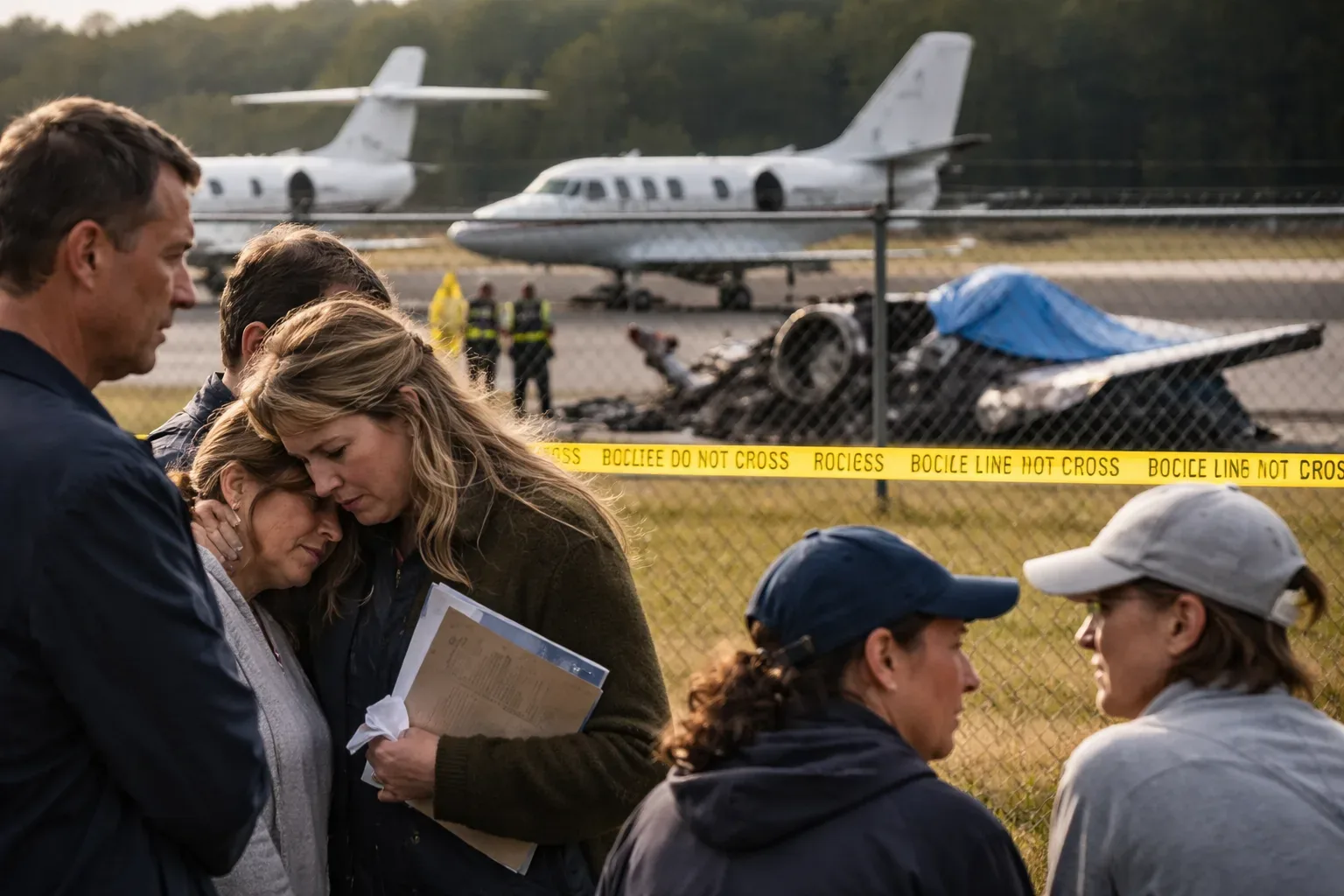
Families of two people killed in the 2024 plane crash involving an aircraft owned by former NASCAR driver Greg Biffle have filed wrongful death lawsuits in North Carolina. The cases mark the first major civil actions stemming from the fatal Cessna 210 crash, which killed all three people on board during a flight connected to Biffle's aircraft. Although Biffle was not on the plane, the crash has remained closely associated with his name because of the aircraft's ownership and the victims' connection to his circle.
What's new in this update
The key development is the shift from investigation to litigation. Up to this point, the crash had primarily been understood through preliminary aviation reporting and public statements. With the filing of wrongful death suits, families are now asking the courts to assign responsibility and potentially award damages based on negligence claims.
That changes the nature of the story. Aviation accidents are often discussed first through mechanical possibility and procedural uncertainty. Civil lawsuits bring a different question to the foreground: who, if anyone, failed in a legal duty of care, and whether that failure materially contributed to the deaths.
Key details
The lawsuits name the pilot's estate and the company associated with the aircraft's registration. According to the claims, negligence may have involved either unsafe operation, failure to ensure airworthiness, or both. Court filings reportedly emphasize the pilot's handling of the flight and the entity's responsibility for maintenance or oversight.
The crash occurred after the pilot reported engine trouble to air traffic controllers, a detail that is likely to become central in both the legal cases and any future public understanding of the accident. If engine distress was a primary factor, the lawsuits may focus heavily on maintenance history, inspection records, and whether known risks were addressed properly.
This is why the corporate ownership structure matters. In aviation litigation, responsibility can extend beyond the person controlling the aircraft in the air to those responsible for upkeep, operational decisions, and the condition of the plane before takeoff.
Background and context
The National Transportation Safety Board released a preliminary report after the crash, but preliminary findings do not establish final cause or civil liability. Full NTSB investigations often take many months, and final conclusions can influence litigation significantly, especially when plaintiffs and defendants are both trying to frame whether the crash arose from pilot error, mechanical failure, or a combination of factors.
Biffle's role in the case is indirect but publicly unavoidable. As a former NASCAR Cup driver, his name gives the story a profile it might not otherwise have. But the lawsuits themselves are fundamentally about the victims and the chain of responsibility that may have led to a preventable fatal crash.
The larger aviation-safety context also matters. Small aircraft incidents frequently raise difficult questions about maintenance standards, pilot judgment, ownership structures, and whether safety oversight was strong enough before an emergency occurred.
What to watch next
The discovery phase will likely become the most important early stage. Lawyers will want maintenance logs, pilot records, inspection histories, corporate documentation, and communications surrounding the aircraft's condition. Those materials may reveal whether the plaintiffs' negligence theory has strong factual support.
The final NTSB report will also matter greatly once completed. It may not determine the lawsuit outcome by itself, but it will likely shape settlement dynamics, expert testimony, and how each side presents causation.
For now, the lawsuits represent the first serious effort to convert grief and unanswered questions into formal legal accountability. Whether the plaintiffs succeed will depend on evidence not yet fully public, but the filing itself makes one thing clear: the aftermath of the fatal Greg Biffle plane crash is now entering a more adversarial and consequential phase.
Why it matters
The filings represent the first legal efforts to assign liability for the crash, which claimed the lives of several individuals close to the NASCAR community.
Read next
Follow this story through the topic hub, more sports coverage, and the latest updates.
Weekly briefing
Get the week's key developments in one concise email.
Get a fast catch-up on the biggest stories, the context behind them, and the links worth your time.
Cadence
Weekly, for a quick catch-up
Coverage
AI, business, world, security, sports
Format
Clear takeaways and useful context
Request the briefing
Leave your email to open a prepared request and get on the list for the weekly briefing.
About the byline
Sports reporter
Olivia Park covers sports with an emphasis on competition, governance, and the business forces shaping global leagues, major events, and athlete decision-making.
Sources and methodology