Myles Turner Criticizes Doc Rivers' Disciplinary Style, Notes
Pacers center Myles Turner recently shared insights into Doc Rivers' coaching tenure, highlighting a lenient approach to player discipline and punctuality.

Sports reporter
Reports on leagues, tournaments, and athlete developments with an emphasis on verified event details, official announcements, and commercial context.
Editorial responsibility: Lead reviewer for match reporting, tournament context, and league governance coverage
Primary source: ESPN Top Headlines. Full source links and update notes are below.
Fast summary
Start here
- Myles Turner claimed Doc Rivers rarely issued fines to players for being late or other infractions.
- Turner specifically noted that Milwaukee Bucks star Giannis Antetokounmpo was frequently late to team events.
- The comments suggest a perceived lack of structural discipline under Rivers compared to other NBA coaches.
What happened
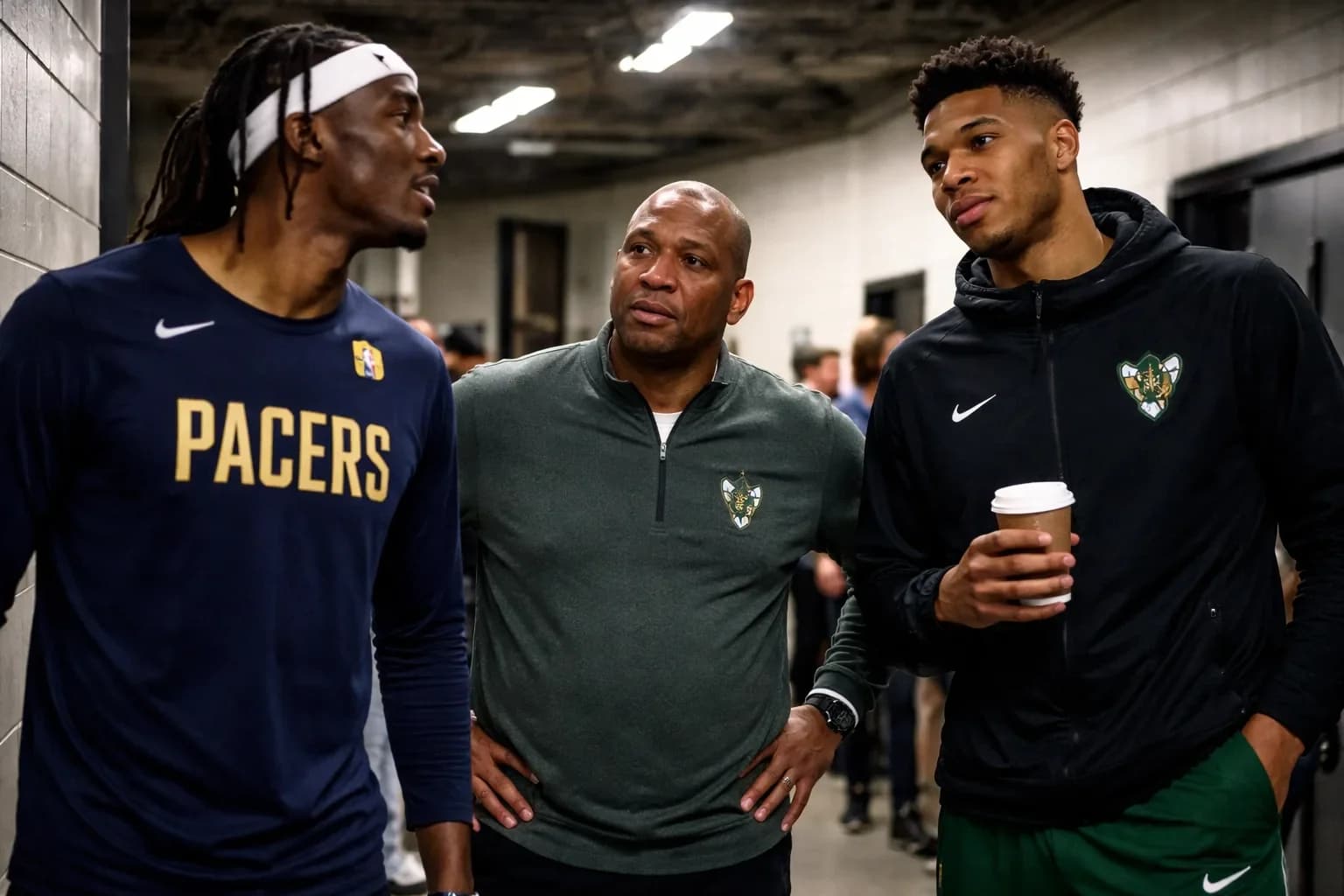
Indiana Pacers center Myles Turner offered a revealing assessment of Doc Rivers' approach to team discipline, saying the veteran coach was not a heavy user of fines and suggesting that lateness by players, including Giannis Antetokounmpo, did not trigger the kind of strict financial penalties common around the NBA. The remarks add a fresh angle to an old but persistent league debate: how much structure, punishment, and internal accountability actually shape winning basketball.
Comments like these travel quickly because they touch two major names at once. Doc Rivers remains one of the most scrutinized coaches in the league, while Giannis Antetokounmpo is one of its biggest stars. Any suggestion about how discipline works around that orbit instantly becomes bigger than locker-room trivia.
Why the Doc Rivers angle matters
Rivers has long been discussed as a relationship-based coach, someone who often leads through communication, trust, and veteran management rather than authoritarian control. For some teams, that style works well. Established players may respond better to mutual respect than to rigid punishment systems. But the downside is obvious too: if standards are flexible, critics can interpret that as softness, inconsistency, or lack of control.
That is why Turner's remarks matter. They do not simply describe one coach's habits. They reopen the broader question of whether Rivers' teams are structured enough in the moments that matter most.
Why the Giannis detail stands out
Any mention of Giannis Antetokounmpo changes the scale of the conversation. Superstars often live under different internal dynamics than role players, whether teams admit it publicly or not. If Turner is right that Giannis was frequently late and that no meaningful fine culture existed around it, then observers will naturally wonder whether status shaped accountability.
That does not automatically mean dysfunction. Many elite teams tolerate informal hierarchies as long as the basketball results justify them. But once performance becomes inconsistent, small cultural details start attracting outsized attention.
The NBA culture question
Fines for lateness, missed obligations, or minor rule violations are common in professional sports because they create a visible standard. Some organizations swear by them. Others see them as symbolic or even counterproductive, especially with veteran players earning massive salaries. In practice, the real question is not whether fines exist, but whether everyone inside the team understands the line and believes it applies fairly.
That is why Turner's comments resonate. Fans hear "no fines" and think about discipline, but front offices hear it and think about standards, power structure, and cultural consistency.
Why team culture stories matter in the playoffs
These issues become especially relevant when teams underperform in high-pressure moments. Coaching criticism often starts with tactics, but it rarely ends there. It moves toward preparation, buy-in, effort, punctuality, and professionalism. Once a team disappoints, stories about who was late, who was allowed freedom, and who was held accountable begin to look more important than they did during the regular season.
That is part of why remarks from a player such as Turner can feed wider narratives around Rivers and the teams tied to him.
What comes next
The immediate next step may simply be reaction, whether from Rivers, from people around the Bucks, or from broader NBA media discussion. But the longer-term value of comments like these lies in what they reveal about how leadership is perceived inside elite basketball environments. If no one disputes the account, it may reinforce the idea that Rivers prefers flexibility over punitive discipline. If it is challenged, that too becomes part of the story.
For now, Myles Turner's comments matter because they offer a rare public glimpse into NBA team culture. By tying Doc Rivers, player fines, and Giannis Antetokounmpo's lateness into one account, they raise a larger question that follows every contender: when pressure rises, is talent enough, or does internal discipline still decide the ceiling?
Why it matters
These insights provide a glimpse into the internal team dynamics and coaching philosophies of two prominent NBA figures, potentially affecting perceptions of team culture.
Read next
Follow this story through the topic hub, more sports coverage, and the latest updates.
Weekly briefing
Get the week's key developments in one concise email.
Get a fast catch-up on the biggest stories, the context behind them, and the links worth your time.
Cadence
Weekly, for a quick catch-up
Coverage
AI, business, world, security, sports
Format
Clear takeaways and useful context
Request the briefing
Leave your email to open a prepared request and get on the list for the weekly briefing.
About the byline
Sports reporter
Olivia Park covers sports with an emphasis on competition, governance, and the business forces shaping global leagues, major events, and athlete decision-making.
Sources and methodology