Visa Bond Requirements Waived for 2026 World Cup Spectators
International fans visiting for the tournament will not need to post financial bonds to secure travel visas under a new administration policy.

Sports reporter
Reports on leagues, tournaments, and athlete developments with an emphasis on verified event details, official announcements, and commercial context.
Editorial responsibility: Lead reviewer for match reporting, tournament context, and league governance coverage
Primary source: ESPN Top Headlines. Full source links and update notes are below.
Fast summary
Start here
- International fans attending the 2026 World Cup will not be required to post visa bonds.
- The move is intended to streamline the entry process for millions of expected visitors across the host cities.
- This decision aligns with federal efforts to ensure the multi-national tournament remains accessible to global ticket holders.
What happened
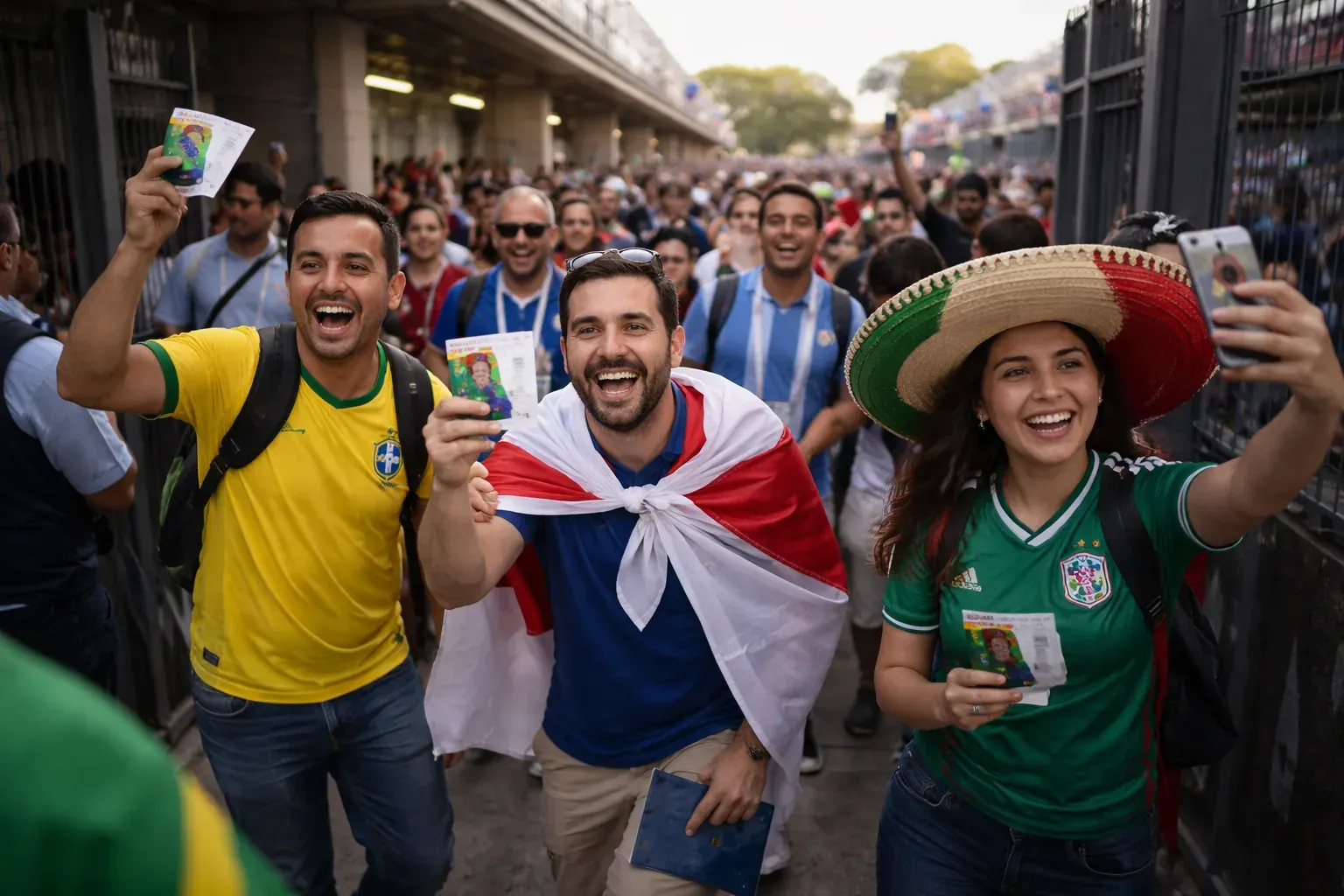
The Trump administration has waived visa bonds for 2026 World Cup fans, removing a financial requirement that could have complicated travel for international spectators heading to the United States during the tournament. The decision is significant because the 2026 FIFA World Cup is expected to draw millions of cross-border travelers across host cities in North America, and even modest policy friction can become a major logistical problem at that scale.
For visiting supporters, the practical impact is clear. A visa bond can act as a financial barrier on top of airfare, lodging, ticket costs, and standard visa-processing requirements. Eliminating that hurdle makes attendance more realistic for more fans, especially those traveling from countries where the added bond would represent a serious burden.
What's new in this update
The central update is that the bond requirement will not apply to eligible World Cup travelers, allowing the U.S. to present a more accessible entry posture ahead of the tournament. The administration's position appears aimed at preventing a fan-access issue from becoming a diplomatic or organizational embarrassment in the buildup to one of the biggest sporting events the country has hosted in decades.
That matters because the 2026 World Cup visa policy is not just an immigration story. It is also an event-readiness story. If host nations want a successful global tournament, the process for getting fans into the country cannot become a second obstacle after people have already bought tickets and made travel plans.
Key details
Under the updated approach, World Cup fans will not need to post visa bonds as part of their travel process, though normal screening, interviews, and documentation requirements still remain in place. In other words, the administration is removing one layer of financial security without eliminating the broader immigration framework.
The policy shift has several implications:
- It lowers the upfront cost of attending matches in the United States
- It reduces one source of friction in already busy consular workflows
- It helps align U.S. event planning with the scale of expected FIFA travel demand
- It signals a more tournament-friendly posture toward visiting supporters
The broader context also matters. Because the 2026 tournament is being co-hosted by the United States, Canada, and Mexico, fan movement will be inherently multinational. Any policy choice that complicates U.S. entry would ripple across travel planning for the whole tournament.
Background and context
Visa bonds are generally used as a compliance tool, intended to reduce the risk that a visitor overstays the terms of a temporary visa. But applying that mechanism broadly to a mega-event like the World Cup would have created political and administrative tension almost immediately. FIFA, tourism officials, and host-city planners have long understood that the tournament's success depends not just on stadium readiness, but on how easily international supporters can actually enter the host countries.
That is especially true for the 2026 FIFA World Cup, which will be the largest edition of the tournament yet in terms of geography and expected attendance. Host nations are not just selling a sports event. They are presenting themselves as open, organized, and capable of handling global traffic at scale.
Concerns about visa delays, affordability, and inconsistent policy enforcement have surfaced ahead of past major events as well. This waiver appears designed to prevent the bond requirement from becoming a symbol of exclusion or bureaucratic unpredictability.
What to watch next
The next question is whether the rest of the travel system can keep pace. Waiving bonds solves one issue, but consular capacity, appointment wait times, and event-specific guidance will still matter enormously as the tournament approaches.
Three follow-up areas deserve attention:
- Whether visa-processing timelines improve for likely World Cup travelers
- How Canada and Mexico coordinate their own fan-entry messaging
- Whether additional U.S. policy clarifications emerge for tournament visitors
If the travel process remains slow or inconsistent, the bond waiver will help but not fully solve the broader access challenge.
Why this matters
The Trump administration waives visa bonds for 2026 World Cup fans decision matters because it removes a concrete financial barrier from one of the largest global sporting events on the calendar. For fans, that means easier planning. For organizers, it reduces the risk that U.S. entry policy becomes a headline distraction before kickoff.
More broadly, the choice reflects a basic reality of modern mega-events: transportation, border policy, and fan access are now as important to event success as the matches themselves.
Why it matters
This policy change removes a significant financial barrier for international travelers, ensuring that the 2026 World Cup can accommodate a massive global audience without administrative delays.
Read next
Follow this story through the topic hub, more sports coverage, and the latest updates.
Weekly briefing
Get the week's key developments in one concise email.
Get a fast catch-up on the biggest stories, the context behind them, and the links worth your time.
Cadence
Weekly, for a quick catch-up
Coverage
AI, business, world, security, sports
Format
Clear takeaways and useful context
Request the briefing
Leave your email to open a prepared request and get on the list for the weekly briefing.
About the byline
Sports reporter
Olivia Park covers sports with an emphasis on competition, governance, and the business forces shaping global leagues, major events, and athlete decision-making.
Sources and methodology