Tocchet Says Flyers Weren't 'Mentally Prepared' for Game 1 Against
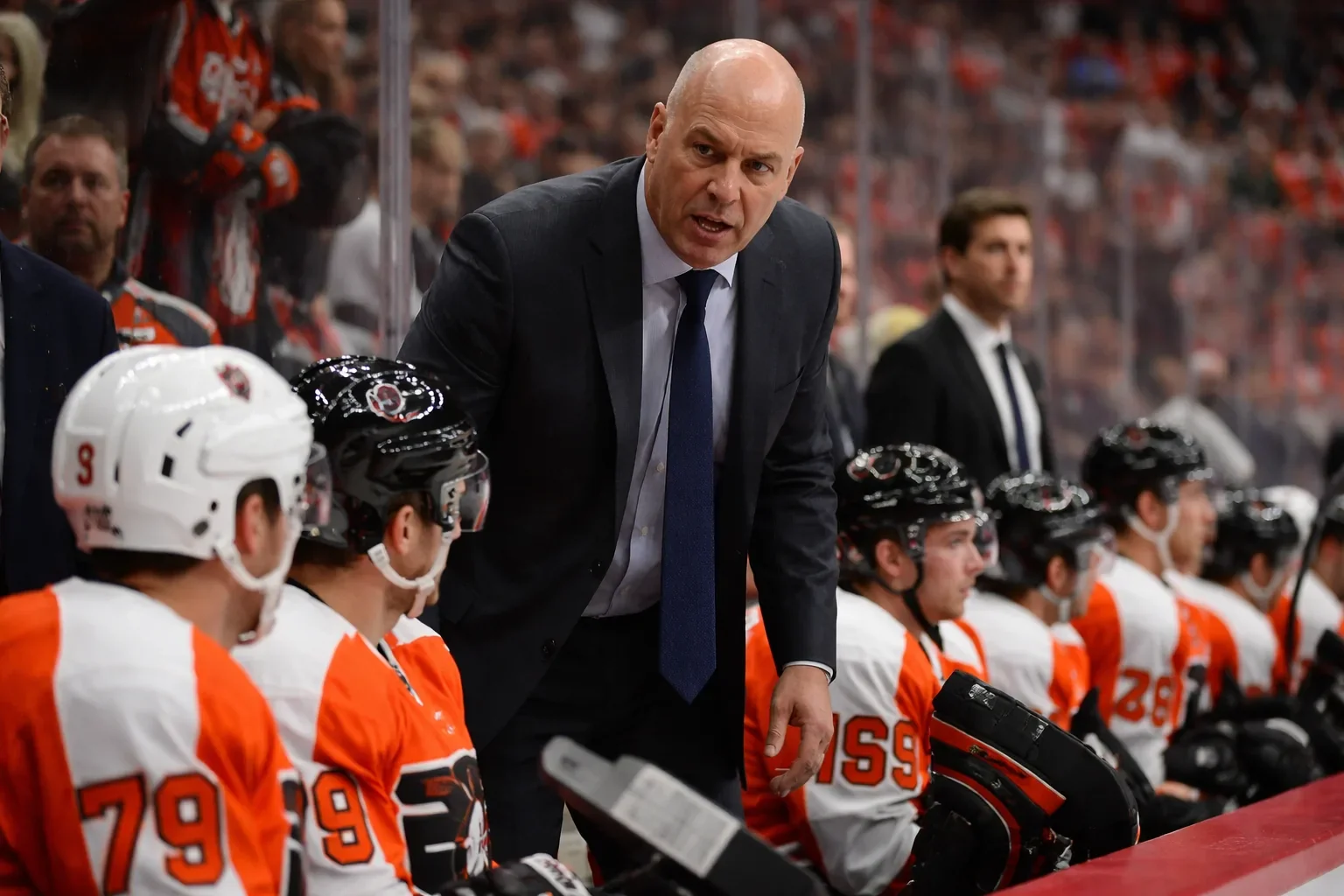
Following a loss in the series opener, Philadelphia Flyers coach Rick Tocchet pointed to a lack of mental focus as a primary factor in the defeat.

Sports reporter
Reports on leagues, tournaments, and athlete developments with an emphasis on verified event details, official announcements, and commercial context.
Editorial responsibility: Lead reviewer for match reporting, tournament context, and league governance coverage
Primary source: ESPN Top Headlines. Full source links and update notes are below.
Fast summary
Start here
- Head coach Rick Tocchet stated the Flyers lacked the necessary mental focus for their playoff opener.
- The comments followed a Game 1 loss to the Carolina Hurricanes.
- Tocchet's critique suggests the team failed to meet the psychological demands of postseason intensity.
What happened
Rick Tocchet said the Philadelphia Flyers were not mentally prepared for Game 1 against the Carolina Hurricanes, offering a blunt public assessment after the playoff-opening loss. Coaches criticize execution all the time, but criticizing mental readiness is different. It suggests the problem began before puck drop, not just during the mistakes that followed.
That is why the Tocchet Flyers Game 1 story matters. The loss itself was damaging, but the coach's words made it clear that he sees the issue as deeper than one bad period or one tactical breakdown.
Why "mentally prepared" is such a strong phrase
When a coach says a team was not mentally prepared, he is usually pointing to urgency, detail, and emotional discipline rather than raw effort alone. In playoff hockey, those traits are non-negotiable because every shift is tighter, mistakes are punished faster, and opponents like the Hurricanes can turn small lapses into sustained control.
That makes Tocchet's wording important. He did not frame the loss as bad luck or random variance. He framed it as a failure to meet the psychological standard required to start a playoff series correctly.
Why the Hurricanes are the wrong opponent for a slow start
Carolina is one of the last teams a coach wants to face with a mentally loose group. The Hurricanes tend to play with structure, pace, and repeated pressure, which means an opponent that is not locked in can quickly spend the night defending and reacting. If the Flyers entered the game without enough sharpness, Carolina would have been especially well positioned to expose that.
This context matters because some playoff opponents allow room to recover in-game. The Hurricanes often do not.
What Tocchet may be trying to accomplish
Public criticism can serve several purposes. It can challenge veteran leaders, protect against complacency, or force a team to confront urgency before the series gets away. Tocchet's comments likely function on all three levels. A Game 1 loss is survivable. A passive emotional response to that loss is much harder to tolerate, especially if the coach believes the warning signs were visible before the puck dropped.
In other words, the criticism may be as much about Game 2 as it is about Game 1.
Why mental readiness matters so much in the playoffs
The Stanley Cup playoffs magnify details that might be recoverable in the regular season. Slow line changes, bad stick positioning, soft puck management, and weak situational awareness all become more damaging when the opponent is fully keyed in. Mental readiness is often what keeps those little losses from stacking into larger momentum swings.
That is why coaches talk about playoff habits so obsessively. The difference between "not sharp" and "good enough" can decide an entire series.
What this says about the Flyers
For the Flyers, Tocchet's remarks are both a warning and an opportunity. A coach does not usually use language this direct unless he believes the group can respond to it. Philadelphia still has time to reset the series, but only if the players absorb the message without splintering under it. In that sense, Game 2 becomes a referendum not just on talent, but on whether the team can translate accountability into urgency.
That is the central challenge now. The Flyers do not need only adjustments on the board. They need a sharper psychological opening to the next game.
Why the public nature of the comments matters
Because Tocchet's critique was public, it also changes how the series is discussed externally. Fans, media, and opponents now know exactly what the coach thinks the deficit was. That can increase pressure, but it can also create clarity. The team cannot pretend the problem was invisible or undefined.
Sometimes that helps. A direct message is easier to answer than a vague one.
What comes next
The next step is simple in theory and hard in practice: the Flyers must show that Tocchet's criticism landed. That means a sharper start, cleaner puck decisions, stronger bench composure, and a visible rise in emotional engagement from the opening shift of Game 2.
For now, Tocchet's criticism after the Flyers' Game 1 loss is significant because it reframes the series around mindset as much as matchup. Carolina won the opener, but the deeper story is whether Philadelphia can prove its coach wrong quickly enough to keep the series from tilting away.
Why it matters
Public coaching critiques regarding mental toughness early in a series often signal an urgent need for adjustments to prevent a season-ending deficit.
Read next
Follow this story through the topic hub, more sports coverage, and the latest updates.
Weekly briefing
Get the week's key developments in one concise email.
Get a fast catch-up on the biggest stories, the context behind them, and the links worth your time.
Cadence
Weekly, for a quick catch-up
Coverage
AI, business, world, security, sports
Format
Clear takeaways and useful context
Request the briefing
Leave your email to open a prepared request and get on the list for the weekly briefing.
About the byline
Sports reporter
Olivia Park covers sports with an emphasis on competition, governance, and the business forces shaping global leagues, major events, and athlete decision-making.
Sources and methodology