National League Powerhouses Retain Top Spots in Week 9 Power
The Atlanta Braves and Los Angeles Dodgers hold the top spots as National League clubs continue to lead the 2026 rankings.

Sports reporter
Reports on leagues, tournaments, and athlete developments with an emphasis on verified event details, official announcements, and commercial context.
Editorial responsibility: Lead reviewer for match reporting, tournament context, and league governance coverage
Primary source: ESPN Top Headlines. Full source links and update notes are below.
Fast summary
Start here
- National League franchises continue to lead the Major League Baseball power rankings as the 2026 season enters its ninth week.
- The Atlanta Braves and Los Angeles Dodgers remain at the forefront of the league-wide standings according to the latest evaluation.
- Top American League teams including the Tampa Bay Rays and Cleveland Guardians are currently trailing the leading NL clubs.
What happened
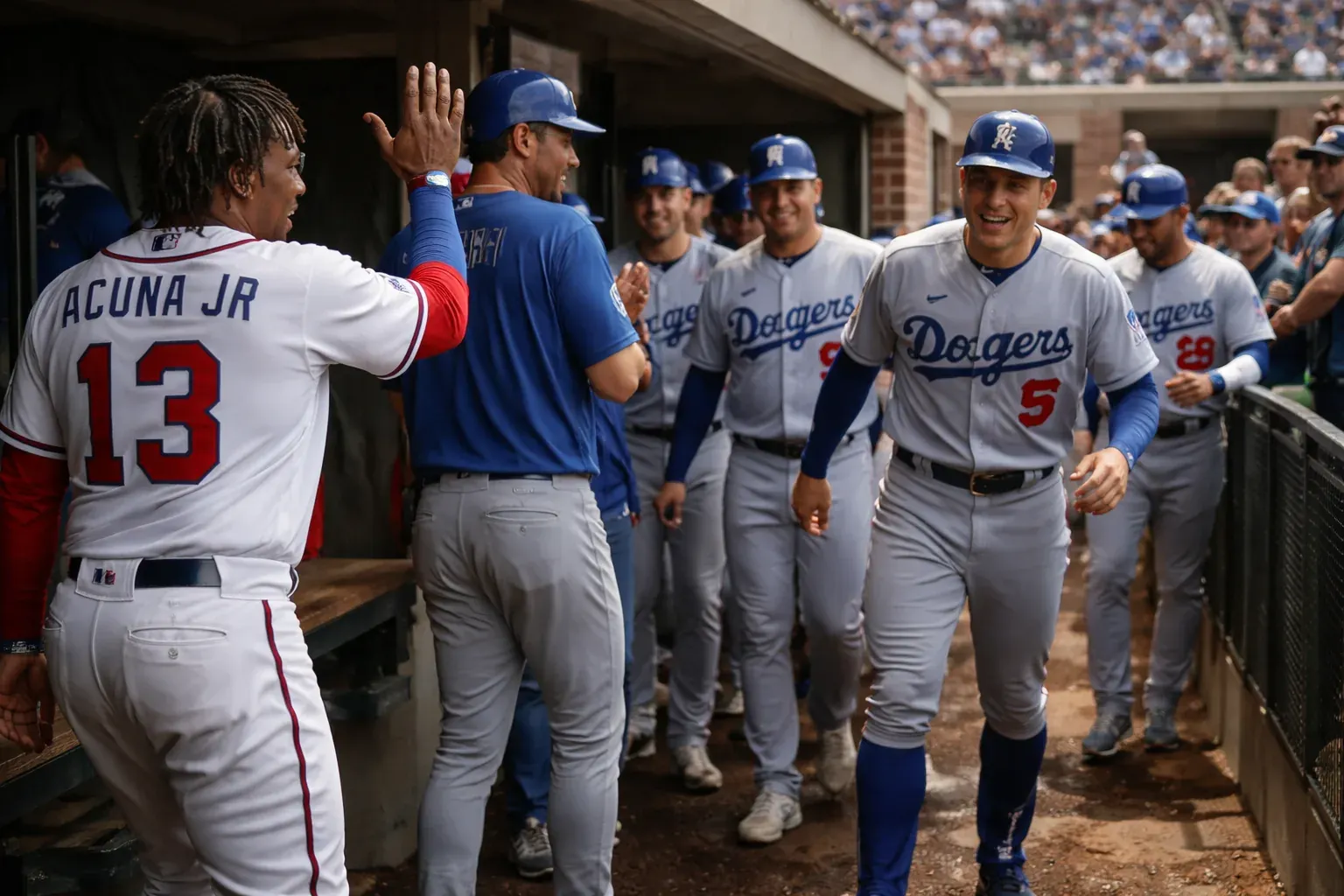
National League clubs continue to dominate the Week 9 MLB power rankings, with teams such as the Atlanta Braves and Los Angeles Dodgers still occupying the top tier while leading American League challengers remain just below them. Early-season power rankings are never the same thing as playoff certainty, but by the ninth week they often begin to reflect more than short-term noise. If National League teams are still controlling the top of the list at this point, analysts are no longer describing a hot fortnight. They are describing a real league-wide pattern.
That matters because power rankings are less about who has the best record on one morning and more about which clubs currently look most complete, sustainable, and dangerous.
Why the Braves and Dodgers remain the standard
The Braves and Dodgers staying at the top makes intuitive baseball sense because both organizations are built to survive the long season better than most. They combine lineup depth, star power, organizational stability, and enough pitching infrastructure to keep winning even when injuries or cold stretches appear. Power rankings tend to reward that sort of resilience because it suggests a team's quality is structural, not temporary.
In practical terms, they are not being ranked highly only because they win. They are being ranked highly because they look capable of continuing to win even when conditions become less favorable.
Why the National League appears stronger right now
If the National League is crowding the top of the rankings, it suggests a concentration of high-end roster quality rather than simple schedule luck. Teams such as the Brewers and Diamondbacks also appearing in the conversation reinforces that point. The NL does not just have one or two giants. It appears to have multiple clubs performing like serious contenders.
That creates a different kind of season dynamic. When one league has more teams playing at top-end level, playoff positioning becomes harder internally while its overall reputation rises externally.
The American League response
The American League is not absent from the discussion. Teams such as the Tampa Bay Rays and Cleveland Guardians remain credible high-level entries, and in a long MLB season the gap between third and ninth can close quickly. But the key ranking story is that the AL's best clubs are still being measured against the NL's strongest rather than redefining the hierarchy themselves.
That distinction matters because it affects the tone of the season. The AL is chasing respect at the top, while the NL is defending it.
Why Week 9 is an important checkpoint
By late May or early June, baseball starts revealing which performances are real enough to shape expectations. Small-sample volatility still exists, but front offices, bettors, broadcasters, and fans all begin shifting from surprise to pattern recognition. If the same clubs remain high in the power rankings at Week 9, it usually means their process, run prevention, and lineup quality are surviving beyond opening-month randomness.
This is why the current NL dominance feels meaningful. It is arriving after enough games to be taken seriously, even if not yet as final truth.
What power rankings do and do not prove
It is also worth noting what these rankings are not. They do not prove the National League will win October, nor do they guarantee the Braves or Dodgers are untouchable. Baseball remains too variable for that. What they do show is who currently looks strongest when balancing record, talent, depth, and trajectory.
In that sense, the rankings are less a prediction than a status report on competitive credibility.
What comes next
The next major test for this hierarchy will come through interleague play, injuries, and whether the leading AL clubs can close the gap through stronger rotation stretches or lineup surges. If the NL continues to hold the top of the board deeper into the summer, the conversation may shift from temporary dominance to league-wide superiority.
For now, Week 9 of the MLB power rankings shows the National League still setting the pace. The Braves and Dodgers remain the headline names, but the more important takeaway is broader: the NL is not winning the perception battle through one superteam alone. It is winning it because several of its best clubs currently look more complete than the American League's top challengers.
Why it matters
The continued dominance of National League teams at the top of the rankings suggests a significant power imbalance between the two leagues early in the 2026 season.
Read next
Follow this story through the topic hub, more sports coverage, and the latest updates.
Weekly briefing
Get the week's key developments in one concise email.
Get a fast catch-up on the biggest stories, the context behind them, and the links worth your time.
Cadence
Weekly, for a quick catch-up
Coverage
AI, business, world, security, sports
Format
Clear takeaways and useful context
Request the briefing
Leave your email to open a prepared request and get on the list for the weekly briefing.
About the byline
Sports reporter
Olivia Park covers sports with an emphasis on competition, governance, and the business forces shaping global leagues, major events, and athlete decision-making.
Sources and methodology