NCAA Moves Toward 76-Team Field for Men's and Women's Basketball
The expansion would add eight teams to the current 68-team format, representing one of the largest structural changes to the tournament in decades.

Sports reporter
Reports on leagues, tournaments, and athlete developments with an emphasis on verified event details, official announcements, and commercial context.
Editorial responsibility: Lead reviewer for match reporting, tournament context, and league governance coverage
Primary source: ESPN Top Headlines. Full source links and update notes are below.
Fast summary
Start here
- The NCAA is in the final stages of expanding the basketball tournament fields from 68 to 76 teams.
- The change is expected to affect both the men's and women's Division I championships.
- Administrative bodies are currently working through the final logistics and approval processes.
What happened
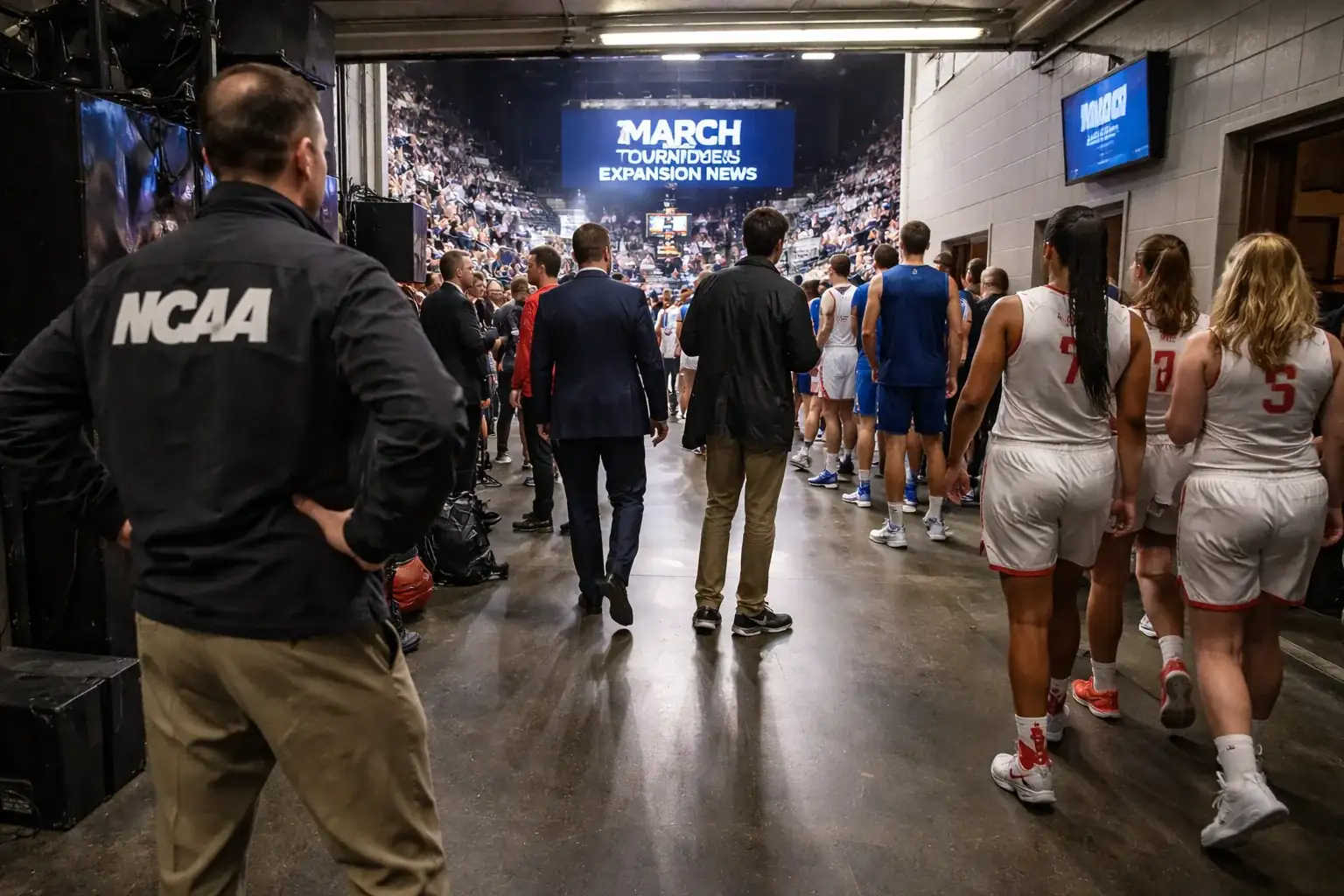
The NCAA is moving toward final approval of a 76-team tournament format for both the men's and women's Division I basketball championships, a change that would expand March Madness beyond the current 68-team structure. If adopted, the move would represent one of the most significant format changes in modern NCAA tournament history and would immediately alter how bubble teams, conferences, broadcasters, and fans think about postseason access.
That is why NCAA tournament expansion matters. It is not just about adding eight more teams. It is about changing the shape and incentives of the most important event in college basketball.
Why the 76-team proposal is significant
March Madness already dominates the college basketball calendar economically and culturally. Expanding the tournament to 76 teams means more bids, more inventory, more debate, and likely more revenue opportunities tied to television and sponsorship. It also changes the selection ecosystem because the threshold for inclusion moves slightly lower, especially for teams living on the edge of the bracket.
For schools and conferences, that difference is enormous. One more realistic path into the NCAA tournament can affect coaching stability, recruiting, donor mood, and conference politics.
Who benefits from NCAA tournament expansion
The most obvious beneficiaries are bubble teams and the leagues that regularly produce them. Power conferences often believe they have more tournament-caliber teams than the current field can absorb, while mid-major conferences may hope that expansion reduces pressure on at-large decisions overall. More slots create more room for competing narratives about resume quality, schedule strength, and late-season form.
That said, the benefits are not evenly distributed. Some critics will argue that expansion mostly helps large conferences capture even more spots rather than meaningfully broadening the sport.
What happens to the First Four
One of the key operational questions is how the NCAA would structure the added teams. The most likely answer is some kind of expanded play-in layer, building on the logic of the current First Four. That would preserve the main bracket while creating more entry-point games before the traditional first round fully begins.
This is important because format decisions shape perception. If extra teams are added but most still have to survive a preliminary stage, fans and administrators will immediately debate whether the tournament truly became broader or just more complicated.
Why traditionalists resist expansion
Critics of NCAA tournament expansion tend to make a simple argument: March Madness works because it is already selective, high-stakes, and emotionally clean. Every added team risks weakening that edge by allowing more mediocrity into a championship event. The counterargument is that the tournament has expanded before and remained powerful, and that the sport's size and economics justify another adjustment.
That tension is familiar in college sports. The NCAA often tries to balance purity of format against pressure for access and revenue, and expansion debates reveal how hard that balance is to maintain.
The business side of the decision
It is impossible to separate this proposal from sports business. The NCAA tournament is the financial engine of the association and one of the most valuable properties in American college athletics. More games can mean more rights value, more advertising opportunity, and more programming leverage. Even if the public argument emphasizes opportunity and fairness, the business incentives are plainly part of the story.
That does not make the expansion illegitimate. It does mean the decision should be understood as structural and commercial, not merely sentimental.
Why the women's tournament matters too
Applying the same expansion logic to the women's tournament is also significant because it reflects the growing commercial and cultural strength of women's college basketball. Expansion there is not simply a side note attached to the men's event. It is part of a broader recognition that the women's championship now commands enough relevance to be redesigned on similar terms.
That parallel treatment will matter in how the NCAA explains the change publicly.
What comes next
The next step is formal approval and then the harder part: implementation. The NCAA will need to decide how extra bids are allocated in practice, how play-in games are staged, how travel and scheduling work, and whether media partners embrace the change as additive rather than bloated.
For now, NCAA tournament expansion to 76 teams looks close to becoming reality. If it happens, March Madness will remain recognizable, but not untouched. The event will be bigger, the bubble will get wider, and the annual argument over who belongs will become even louder.
Why it matters
This expansion increases opportunities for bubble teams to participate in the most lucrative event in college sports while potentially altering the First Four format.
Read next
Follow this story through the topic hub, more sports coverage, and the latest updates.
Weekly briefing
Get the week's key developments in one concise email.
Get a fast catch-up on the biggest stories, the context behind them, and the links worth your time.
Cadence
Weekly, for a quick catch-up
Coverage
AI, business, world, security, sports
Format
Clear takeaways and useful context
Request the briefing
Leave your email to open a prepared request and get on the list for the weekly briefing.
About the byline
Sports reporter
Olivia Park covers sports with an emphasis on competition, governance, and the business forces shaping global leagues, major events, and athlete decision-making.
Sources and methodology