Family Confirms Kyle Busch Died of Pneumonia and Sepsis
The 41-year-old racing legend passed away following rapid medical complications that stemmed from a severe respiratory illness.

Sports reporter
Reports on leagues, tournaments, and athlete developments with an emphasis on verified event details, official announcements, and commercial context.
Editorial responsibility: Lead reviewer for match reporting, tournament context, and league governance coverage
Primary source: BBC World News. Full source links and update notes are below.
Fast summary
Start here
- A family statement confirmed that severe pneumonia progressed into sepsis, causing rapid and overwhelming complications.
- Busch was the winningest driver in NASCAR history across its top three series, with 234 career victories.
- NASCAR officials confirmed that upcoming races will proceed as scheduled to honor the champion's memory.
What happened
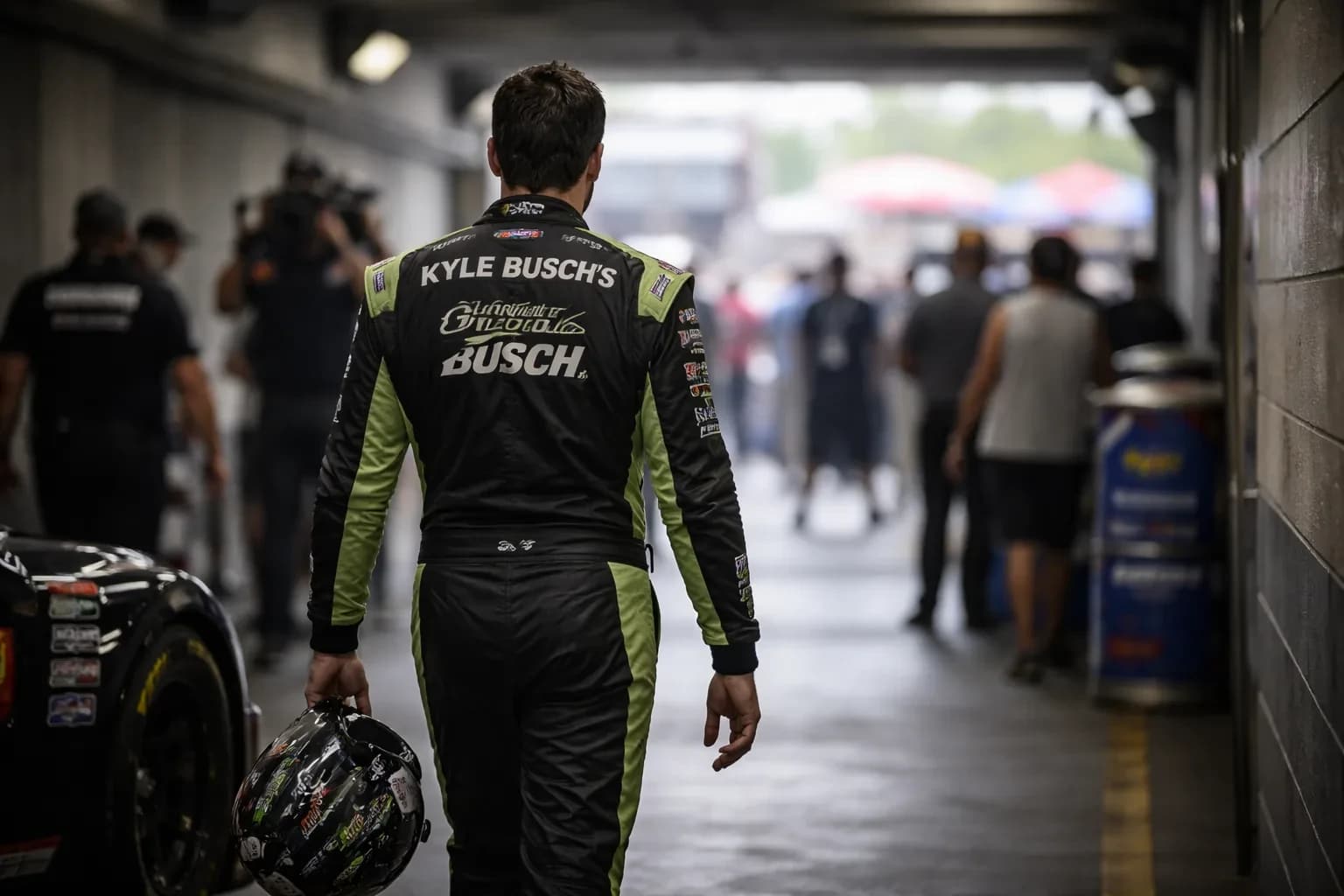
NASCAR champion Kyle Busch died at age 41 after a severe illness, and his family has now confirmed that pneumonia progressed into sepsis, causing rapid and overwhelming complications. The explanation provides clarity after the initial announcement of his sudden death and gives the racing world a fuller picture of how quickly the medical emergency escalated. Busch's death stunned NASCAR because it came while he was still an active, central figure in the sport and preparing for another major race weekend.
What's new in this update
The family statement adds the specific medical cause that had not been publicly detailed when the news first broke. According to that explanation, a serious respiratory illness developed into sepsis, a dangerous body-wide response to infection that can become fatal in a short period of time. That detail matters because it underscores how abrupt the decline was. What began as pneumonia did not remain a contained illness. It advanced into a severe systemic crisis before recovery was possible.
The update also gives fans, teams, and the NASCAR community a clearer framework for mourning. Public reaction often shifts once uncertainty is replaced by a confirmed explanation, especially in the case of an athlete whose death interrupts an active career rather than closing the final chapter of a long retirement.
Key details
Busch, known throughout racing as "Rowdy," built one of the most accomplished resumes in American motorsports. He finished his career as the winningest driver across NASCAR's top three national series, recording 234 victories. That number alone places him in a rare category, but it does not fully capture his influence. Busch was one of the defining competitors of his generation, a driver whose intensity, durability, and willingness to race often made him the center of attention on any weekend he entered.
At the time of his death, he was preparing for the Coca-Cola 600 weekend at Charlotte Motor Speedway, one of the marquee events on the NASCAR calendar. His death therefore landed not in some quiet offseason lull but in the middle of the competitive rhythm that had defined his adult life.
He is survived by his parents, his wife, and two children. Alongside his on-track legacy, Busch and his family were known for charitable work connected to IVF and infertility awareness, adding another dimension to how he will be remembered beyond race results and championships.
Background and context
Kyle Busch's place in NASCAR history was never built on popularity alone. He was admired by many, criticized by plenty, and impossible to ignore. That combination often defines the most important athletes in any sport. Busch's aggressive style, visible emotion, and relentless schedule made him a compelling figure in an era when motorsports increasingly depended on personality as well as performance.
For NASCAR, his death is not only the loss of a former champion but the loss of a modern-era reference point. Younger drivers competed in a sport shaped in part by Busch's standards. Fans measured success against his longevity, his winning totals, and his ability to stay relevant through multiple competitive cycles.
NASCAR officials have said upcoming races will proceed, reflecting the idea that competition itself is part of how the sport honors its greatest figures. That approach fits the culture of motorsports, where tribute often happens through participation, ceremonial gestures, and public remembrance at the track rather than through stopping the season altogether.
What to watch next
In the immediate term, the focus will be on tributes during race weekend and how teams, drivers, and officials commemorate Busch's career. Displays of his number, moments of silence, and acknowledgments at Charlotte are likely to become central parts of the public grieving process.
Longer term, the conversation will move toward legacy. Busch's records, championships, and outsized profile already guarantee him a permanent place in NASCAR history, but his death will also renew discussion about what made him distinct: relentless competitiveness, polarizing honesty, and the ability to stay at the center of American auto racing for more than two decades. The medical details provide closure. The scale of his impact ensures the mourning will last far longer.
Why it matters
Busch was a generational talent whose record-breaking career and charitable work for infertility treatments made him one of the most influential figures in American motorsports.
Read next
Follow this story through the topic hub, more sports coverage, and the latest updates.
Weekly briefing
Get the week's key developments in one concise email.
Get a fast catch-up on the biggest stories, the context behind them, and the links worth your time.
Cadence
Weekly, for a quick catch-up
Coverage
AI, business, world, security, sports
Format
Clear takeaways and useful context
Request the briefing
Leave your email to open a prepared request and get on the list for the weekly briefing.
About the byline
Sports reporter
Olivia Park covers sports with an emphasis on competition, governance, and the business forces shaping global leagues, major events, and athlete decision-making.
Sources and methodology