Julius Randle Reported to Join Brooklyn Nets in Three-Team Trade
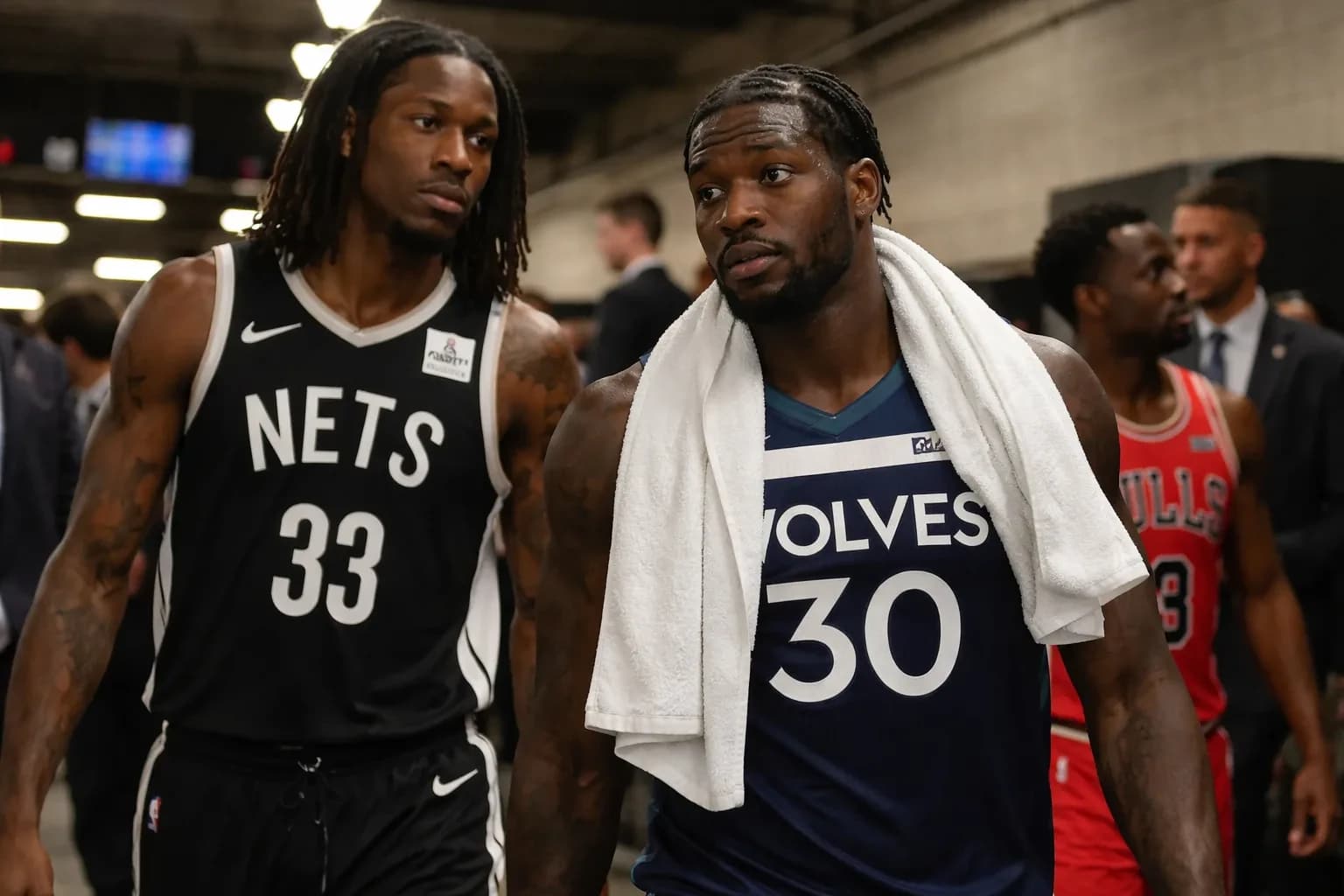
The Minnesota Timberwolves are moving forward Julius Randle to the Brooklyn Nets, while center Nic Claxton is reportedly heading to the Chicago Bulls.

Sports reporter
Reports on leagues, tournaments, and athlete developments with an emphasis on verified event details, official announcements, and commercial context.
Editorial responsibility: Lead reviewer for match reporting, tournament context, and league governance coverage
Primary source: ESPN Top Headlines. Full source links and update notes are below.
Fast summary
Start here
- Julius Randle is being traded from the Minnesota Timberwolves to the Brooklyn Nets.
- Nic Claxton is expected to move from the Nets to the Chicago Bulls as part of the agreement.
- The transaction involves three teams: the Timberwolves, the Nets, and the Bulls.
What happened
The Minnesota Timberwolves are reportedly sending Julius Randle to the Brooklyn Nets in a three-team NBA trade that also sends center Nic Claxton to the Chicago Bulls. Even before every supporting asset in the deal is fully public, the move stands out because it touches three teams with very different timelines and roster needs. Minnesota appears to be rebalancing around Anthony Edwards and its defensive identity, Brooklyn is adding a proven scoring forward in Randle, and Chicago is reportedly landing one of the league's better defensive centers.
Three-team trades are usually more revealing than standard one-for-one swaps because they show several front offices trying to solve different problems at the same time.
Why Julius Randle matters to Brooklyn
Julius Randle remains a major offensive talent when healthy and properly featured. He can score in isolation, create from the elbows, rebound, and carry stretches of offense physically rather than stylistically. For a team like the Brooklyn Nets, adding Randle signals interest in proven production rather than a purely long-view developmental approach.
The fit question, of course, is whether Brooklyn wants him as a central offensive engine, a transition piece, or a veteran stabilizer while the larger roster continues evolving. But the decision to acquire Randle at all suggests the Nets still value immediate competitiveness and recognizable frontcourt scoring.
Why Minnesota may be moving on quickly
The Timberwolves' willingness to move Randle so soon after he arrived is a story in itself. Minnesota has been trying to define the right balance around Anthony Edwards, rim protection, spacing, and lineup flexibility. If the front office concluded that Randle's role overlapped awkwardly with the structure it wants, then a fast pivot makes sense even if it looks abrupt from the outside.
In the NBA, short stays do not always mean failure. Sometimes they simply reflect roster math. A player can still be productive and yet not be the cleanest fit for the way a contender wants to play.
Why Nic Claxton is important for Chicago
Claxton heading to the Bulls gives Chicago a very different type of asset: mobility, rim protection, vertical spacing, and defensive versatility. In a league where big men are constantly forced into switching decisions, Claxton offers more than traditional size. He can defend space and help stabilize a back line without needing the offense built around him.
For the Bulls, that could be a significant roster correction if the aim is to get younger, tougher defensively, or simply more coherent in the frontcourt.
The broader trade-market significance
This kind of three-team deal says a lot about league priorities. Big-salary veterans like Randle are still movable if another team believes it can use their scoring. Defensive centers like Claxton remain highly valued because they fit across multiple roster types. And teams like Minnesota are increasingly willing to adjust aggressively if a prior blockbuster does not create the exact result they wanted.
That is why the trade matters beyond the names involved. It reflects how quickly NBA teams now revise plans instead of waiting two seasons to admit a fit issue.
What to watch next
Once the full trade terms are known, attention will shift to the draft compensation, salary mechanics, and how each team explains its logic publicly. Minnesota will face questions about its long-term frontcourt design. Brooklyn will face questions about whether Randle is a foundational move or an intermediate one. Chicago will face questions about whether Claxton is part of a larger defensive reset.
For now, the Timberwolves-Nets-Bulls trade is a major NBA reshuffle because it moves Julius Randle, changes the Nets' scoring profile, and gives the Bulls a defensive center in Nic Claxton. The details will matter, but the broader takeaway is already clear: all three teams believe their current roster path needed adjustment, and this deal is a forceful attempt to make it.
Why it matters
This reported trade reshapes the rosters of three teams across both conferences, moving a former All-NBA forward and a prominent defensive center.
Read next
Follow this story through the topic hub, more sports coverage, and the latest updates.
Weekly briefing
Get the week's key developments in one concise email.
Get a fast catch-up on the biggest stories, the context behind them, and the links worth your time.
Cadence
Weekly, for a quick catch-up
Coverage
AI, business, world, security, sports
Format
Clear takeaways and useful context
Request the briefing
Leave your email to open a prepared request and get on the list for the weekly briefing.
About the byline
Sports reporter
Olivia Park covers sports with an emphasis on competition, governance, and the business forces shaping global leagues, major events, and athlete decision-making.
Sources and methodology