Tar Heels Force Game 3 in Men's College World Series Finals
North Carolina leveled the championship series with a victory over Oklahoma. The winner-take-all finale is set for Sunday in Omaha.

Sports reporter
Reports on leagues, tournaments, and athlete developments with an emphasis on verified event details, official announcements, and commercial context.
Editorial responsibility: Lead reviewer for match reporting, tournament context, and league governance coverage
Primary source: ESPN Top Headlines. Full source links and update notes are below.
Fast summary
Start here
- North Carolina won Game 2 to even the best-of-three series against Oklahoma.
- The victory prevents an Oklahoma sweep and forces a decisive Game 3.
- The national championship will be decided on Sunday, Father's Day.
What happened
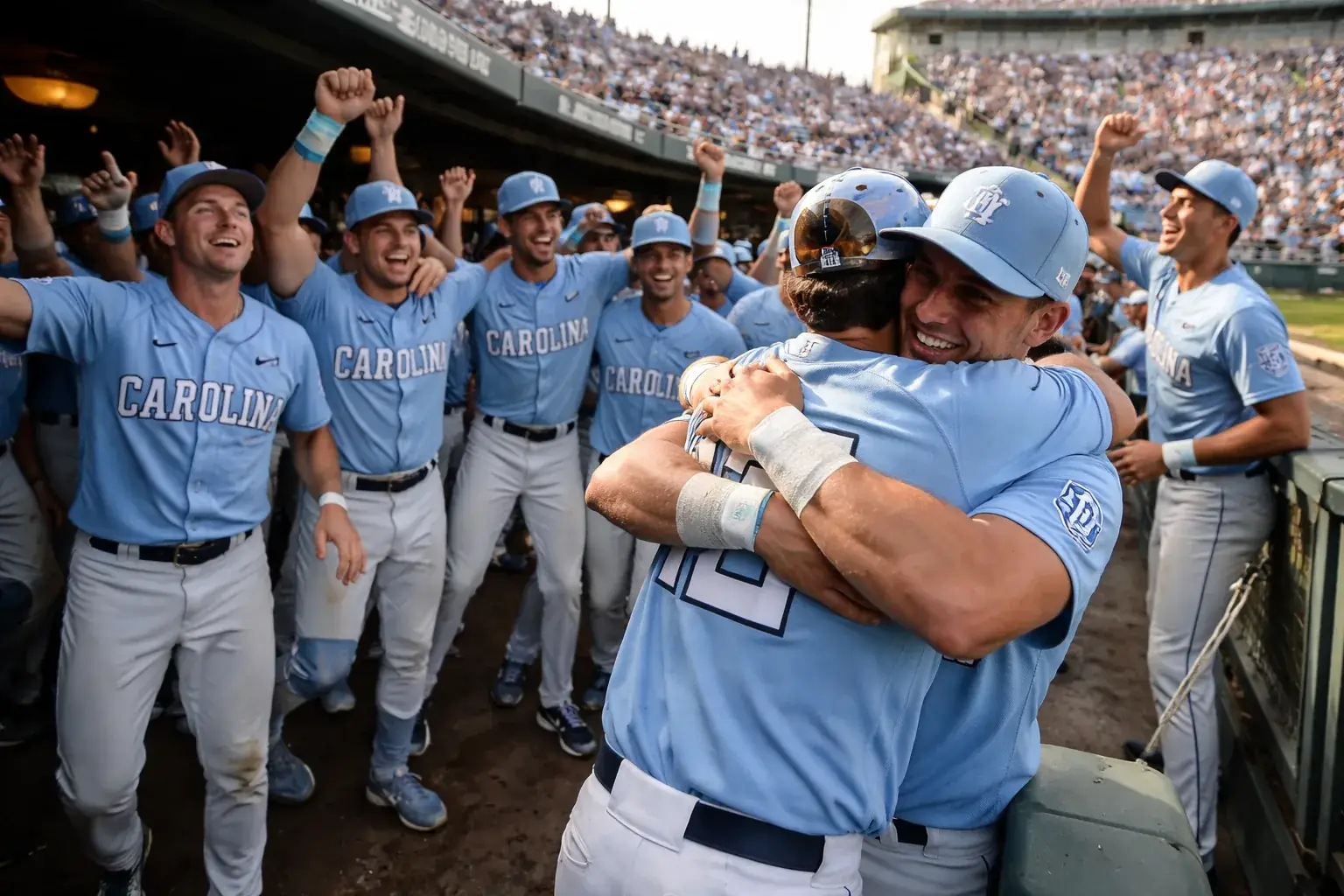
North Carolina beat Oklahoma in Game 2 of the Men's College World Series finals, forcing the championship series to a decisive Game 3 in Omaha. The Tar Heels entered the game facing elimination after losing the opener, but their response ensured that the national title will now be settled in the most dramatic way possible: a winner-take-all final on the last day of the season.
That shift matters because the College World Series finals change completely once a trailing team extends the series. Momentum resets, pitching plans get strained, and the pressure becomes absolute for both dugouts.
Why forcing Game 3 is such a big swing
In a best-of-three college baseball final, Game 2 is often the emotional hinge. The team leading the series has a chance to finish the job, while the team behind is fighting against both the opponent and the structure of the event. By winning, North Carolina did more than survive. It erased Oklahoma's path to a calm close and turned the championship into a one-game sprint.
That is a major tactical and psychological change. A team playing to clinch feels one kind of pressure. A team suddenly pulled into a final sudden-death game feels another.
Why Omaha always magnifies the drama
The MCWS finals already carry a unique atmosphere because Omaha is not just another neutral site. It is the symbolic endpoint of the college baseball season. Teams that reach the finals have already navigated regionals, super regionals, and the Omaha bracket, so by the time a Game 3 arrives, every player is operating on a mix of exhaustion, adrenaline, and legacy awareness.
That is why a decisive final game matters so much. It becomes less about who had the better tournament on paper and more about who can still execute when the season narrows to one night.
What this means for North Carolina
For North Carolina, forcing Game 3 keeps alive the dream of a national title and confirms the roster's resilience after falling behind in the series. Teams that respond under elimination pressure often gain something harder to measure than momentum: belief. The Tar Heels now know they were good enough to beat Oklahoma when they had no margin left.
That kind of win can change how a team carries itself in the hours before the finale. It does not guarantee anything, but it makes the possibility feel real.
What this means for Oklahoma
Oklahoma still has a clean path to the championship, but the terms have changed. Instead of closing the series quickly, the Sooners now have to regroup and prove they can respond after missing their first opportunity. In baseball, especially at the college level, letting an opponent back into a series can complicate both pitching decisions and emotional control.
The question now is not whether Oklahoma has championship quality. It is whether the Sooners can recover their edge fast enough to win the one game that remains.
Why pitching becomes the central issue
Any time a college baseball championship reaches Game 3, pitching depth becomes the dominant storyline. Coaches must decide whether to ride tired arms, trust less-proven options, or mix aggressive bullpen usage with short starts. Because both teams have already burned through high-stakes innings in Omaha, the final game is rarely about ideal plans. It is about who can still manufacture enough outs.
That is where titles are often won in June: not just by stars, but by which staff holds together one game longer.
What comes next
The next step is simple and enormous: one final game for the national championship. North Carolina has forced the series to the limit, Oklahoma has one more chance to finish what it started, and Omaha gets the highest-pressure ending possible.
For now, North Carolina's Game 2 victory has done exactly what championship baseball is supposed to do at its best. It has turned the Men's College World Series finals into a true last-game test, where the 2026 title will be decided not by aggregate quality, but by who handles one more day, one more mound decision, and one more game better than the other.
Why it matters
The result determines that the 2026 NCAA Division I baseball champion will be decided in a final winner-take-all match, the highest-stakes scenario in collegiate baseball.
Read next
Follow this story through the topic hub, more sports coverage, and the latest updates.
Weekly briefing
Get the week's key developments in one concise email.
Get a fast catch-up on the biggest stories, the context behind them, and the links worth your time.
Cadence
Weekly, for a quick catch-up
Coverage
AI, business, world, security, sports
Format
Clear takeaways and useful context
Request the briefing
Leave your email to open a prepared request and get on the list for the weekly briefing.
About the byline
Sports reporter
Olivia Park covers sports with an emphasis on competition, governance, and the business forces shaping global leagues, major events, and athlete decision-making.
Sources and methodology