McGregor books July 11 return against Holloway
The UFC's biggest star is slated to return to action this summer in a rematch over a decade in the making.

Sports reporter
Reports on leagues, tournaments, and athlete developments with an emphasis on verified event details, official announcements, and commercial context.
Editorial responsibility: Lead reviewer for match reporting, tournament context, and league governance coverage
Primary source: ESPN Top Headlines. Full source links and update notes are below.
Fast summary
Start here
- Conor McGregor is officially scheduled to return to the UFC octagon on July 11.
- He will face former champion Max Holloway in a high-profile rematch.
- The booking marks McGregor's return to professional competition after an extended hiatus.
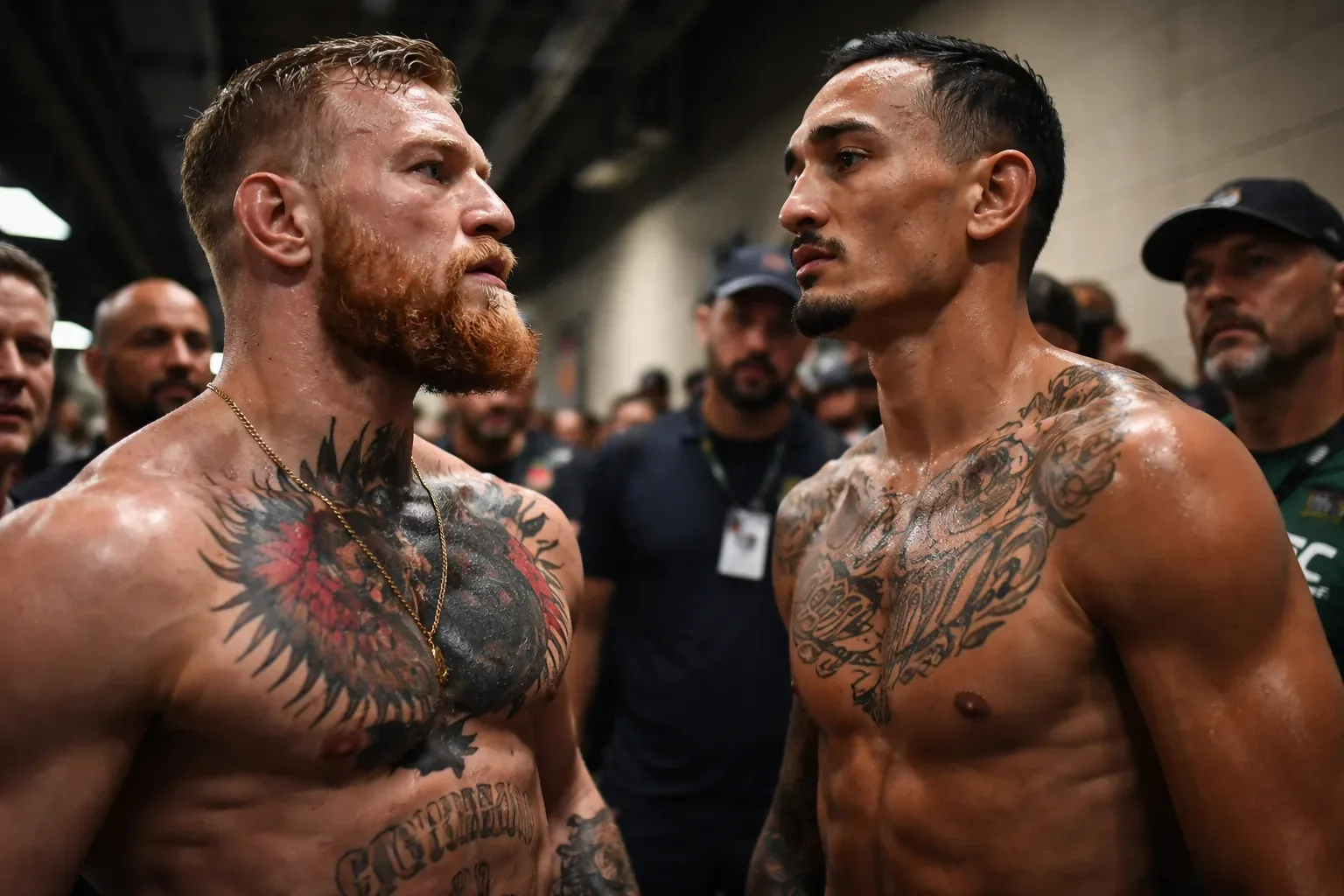
What happened
Conor McGregor has booked a July 11 UFC return against Max Holloway, setting up a rematch that reconnects two major stars whose first meeting came much earlier in their careers. The matchup matters immediately because any McGregor return becomes one of the UFC's biggest commercial events, but it matters even more because Holloway is not a tune-up name. He is an elite, established figure whose presence gives the fight sporting credibility as well as promotional weight.
That is why the McGregor Holloway rematch stands out. It is not simply a comeback booking. It is a test of relevance, timing, and what version of McGregor still exists after years of injury, inactivity, and public uncertainty.
Why McGregor's return always matters
Few fighters in MMA history have shaped the business side of the sport the way Conor McGregor has. Even after long layoffs, he remains the UFC's biggest single draw, which means his return affects pay-per-view planning, media attention, and the broader promotional calendar. A McGregor comeback is never just another fight announcement. It is an event the company builds around.
That is important because commercial power can sometimes obscure sporting questions. In this case, the Holloway matchup helps bring the sporting side back into focus.
Why Max Holloway is such a meaningful opponent
Holloway gives the fight legitimacy because he represents more than name recognition. He has built a durable reputation through championship-level competition, volume striking, resilience, and the ability to maintain relevance across different phases of the UFC's featherweight and lightweight landscape. If McGregor wants his return to mean something competitively, Holloway is exactly the kind of opponent who can validate or expose him.
That is what makes this more than nostalgia. Holloway is strong enough to turn a comeback narrative into a real sporting verdict.
Why the rematch angle matters
The first McGregor-Holloway fight came in 2013, before either man had fully become the version of himself the public now recognizes. A rematch over a decade later carries unusual intrigue because the fighters are no longer prospects intersecting early. They are veteran stars carrying history, mileage, and very different career arcs into the cage.
That gives the fight a layered appeal. Fans can revisit the original meeting while also treating this as an entirely different contest shaped by years of evolution.
The question around McGregor's current level
McGregor's long absence means the real uncertainty is not his fame, but his present performance ceiling. Layoffs, injury recovery, and the difficulty of returning to elite MMA after years of interrupted momentum all create understandable doubt. The sport moves quickly, and the version of a fighter that exists in memory is not always the version that returns in reality.
This is why the Holloway fight is such an informative choice. It should reveal whether McGregor remains a meaningful competitive force or primarily a commercial attraction.
Why the UFC wanted this fight
From the UFC's perspective, this is almost ideal matchmaking. It offers a high-profile return, a built-in backstory, broad fan recognition, and a stylistic pairing that can generate real anticipation. It also gives the promotion a result that matters in multiple directions. If McGregor wins, the company regains one of its biggest active stars in a serious way. If Holloway wins, the UFC still strengthens a top name against the sport's most famous brand.
That kind of win-win structure is rare in fight booking.
What is at stake for both men
For McGregor, the stakes are obvious: credibility, future leverage, and the chance to convert his comeback into a real title-path conversation. For Holloway, the stakes are different but just as significant. Beating McGregor in this setting would be a major commercial and legacy moment, especially given how much attention the event will command.
This is why the fight matters beyond entertainment value. It has real career consequences in both directions.
What comes next
The next major details will be the official venue, weight-class framing, promotional rollout, and whether either camp reports complications during preparation. Once the fight week arrives, the larger conversation will narrow to one question: which version of Conor McGregor is actually showing up?
For now, McGregor's July 11 return against Max Holloway is one of the most important fight bookings on the UFC calendar. It blends history, commerce, and real sporting uncertainty in a way few MMA matchups can.
Why it matters
McGregor remains the most significant commercial draw in mixed martial arts, and his return against a top-tier opponent like Holloway has major implications for the UFC's 2025 calendar.
Read next
Follow this story through the topic hub, more sports coverage, and the latest updates.
Weekly briefing
Get the week's key developments in one concise email.
Get a fast catch-up on the biggest stories, the context behind them, and the links worth your time.
Cadence
Weekly, for a quick catch-up
Coverage
AI, business, world, security, sports
Format
Clear takeaways and useful context
Request the briefing
Leave your email to open a prepared request and get on the list for the weekly briefing.
About the byline
Sports reporter
Olivia Park covers sports with an emphasis on competition, governance, and the business forces shaping global leagues, major events, and athlete decision-making.
Sources and methodology