Golden Tempo Rallies From Last to Win Kentucky Derby at 23-1 Odds
The longshot colt surged from the back of the pack to edge out Renegade in a photo finish at Churchill Downs.

Sports reporter
Reports on leagues, tournaments, and athlete developments with an emphasis on verified event details, official announcements, and commercial context.
Editorial responsibility: Lead reviewer for match reporting, tournament context, and league governance coverage
Primary source: ESPN Top Headlines. Full source links and update notes are below.
Fast summary
Start here
- Golden Tempo secured the victory as a significant 23-1 underdog.
- The horse successfully rallied from the final position in the field during the closing stretch.
- Renegade finished second in a competitive race that required a photo finish review.
What happened
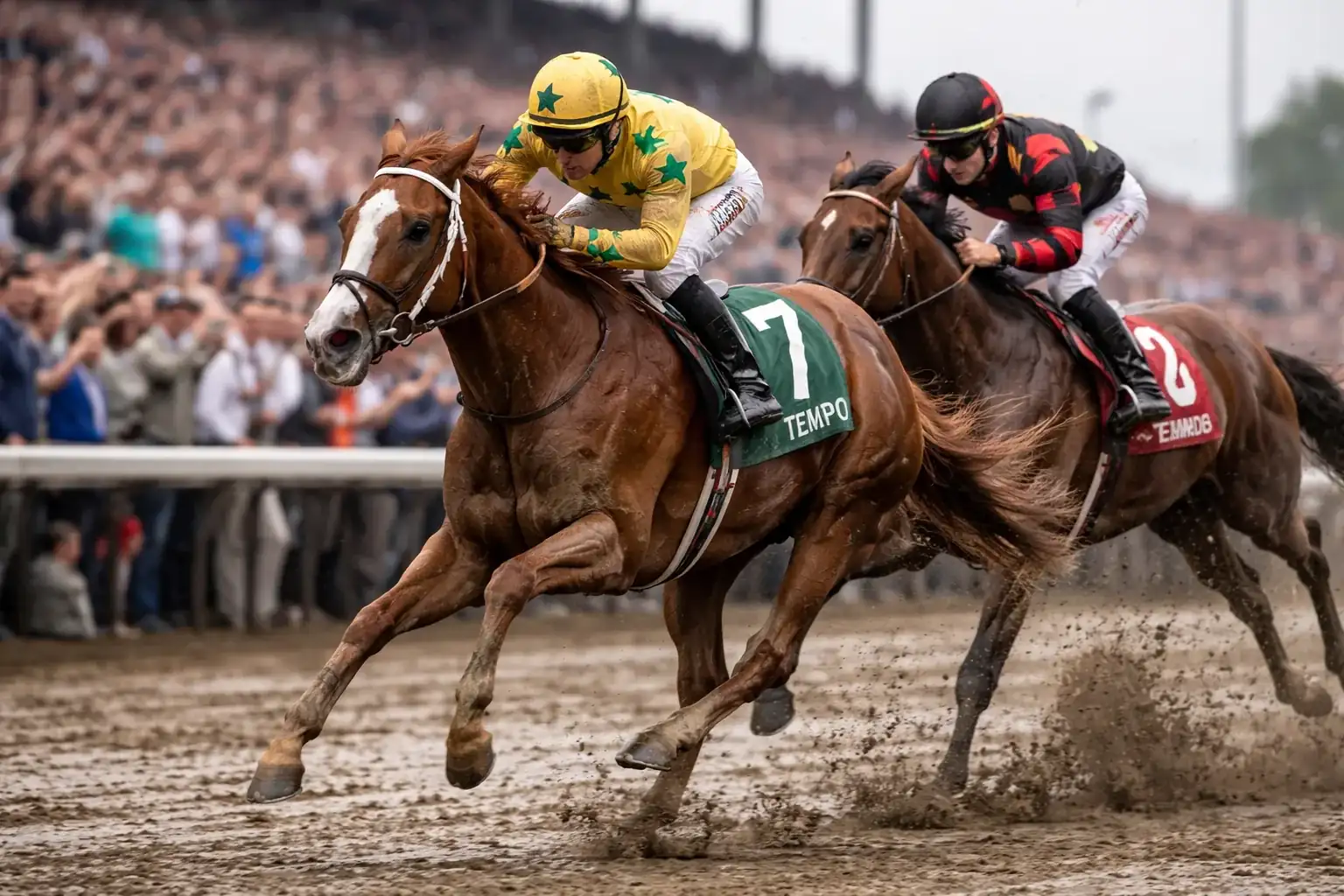
Golden Tempo delivered one of the most dramatic Kentucky Derby upsets in recent memory, storming from the back of the field to win at 23-1 odds in a thrilling finish at Churchill Downs. The colt's late run, capped by a narrow edge over Renegade, turned the race from a familiar Derby procession into the kind of chaotic, high-pressure closing stretch that keeps the Kentucky Derby central to American horse racing mythology.
The result matters not only because Golden Tempo won, but because of how the win happened. A longshot rally from last place at Churchill Downs instantly changes how a Derby is remembered.
Why the 23-1 odds matter
A 23-1 Kentucky Derby winner is more than a betting surprise. It is a reminder that the Derby remains uniquely vulnerable to disruption because the field is large, the pace can collapse, traffic can ruin favorites, and late-running horses sometimes find the exact race shape they need. Golden Tempo's odds reflected skepticism about whether the colt belonged among the top tier of contenders. The finish overturned that judgment in the most public way possible.
That is why horse racing fans treat these outcomes differently from ordinary upsets. The Kentucky Derby is designed, by scale and circumstance, to expose assumptions.
Why the comeback was so striking
Coming from last in a 20-horse Kentucky Derby field is not just visually dramatic. It is tactically difficult. Horses trying to rally from the rear must avoid traffic, judge pace collapse correctly, and sustain a long run against opponents who often begin tiring at different rates. Golden Tempo's winning move therefore was not simply about having late speed. It was about timing, positioning, and getting a clear enough lane when the decisive moment arrived.
That kind of run also explains why the victory felt so sudden to viewers. Derby closers often seem invisible until they are suddenly everywhere.
Renegade and the photo finish factor
Renegade's role in the story matters because the race still needed a photo finish to settle the winner. That kept uncertainty alive even after the stretch drive ended and added another layer of drama to an already improbable result. In a race like the Kentucky Derby, the margin between legend and near-miss can be almost microscopic.
For Golden Tempo, the official confirmation transformed a brilliant rally into a signature sporting moment. For Renegade, it created the painful counterpart: a performance good enough to matter deeply, but not enough to win history's headline.
Why Churchill Downs keeps producing these moments
Churchill Downs has a way of magnifying chaos because the Derby combines elite horses, enormous attention, and a field size that can punish even minor mistakes. Favorites can get boxed in, wide trips can become costly, and the emotional speed of the event often changes how races unfold compared with smaller, cleaner stakes fields.
That is part of why longshot Kentucky Derby winners remain so compelling. They do not happen in spite of the Derby's structure. In some ways, they happen because of it.
What this means for the Triple Crown
Golden Tempo's Derby win immediately scrambles the Triple Crown conversation. A favorite winning the Derby often allows analysts to build a familiar next-step narrative around dominance and continuity. A 23-1 upset winner creates a much more open question: was this the beginning of a genuine top-tier run, or the perfect one-day alignment of pace, trip, and finishing kick?
That uncertainty now follows the colt into the Preakness. Golden Tempo will no longer be ignored, but expectations will be harder to price because the Derby rewrote the prior form story so dramatically.
Why fans remember underdog Derby winners
The Kentucky Derby remains one of the few events where casual viewers and racing insiders can share the same immediate emotional shock. Everyone understands what it means when a horse almost nobody backed comes from last and wins the Run for the Roses. Underdog results like Golden Tempo's do more than generate payouts. They renew the idea that horse racing can still produce moments that feel improbable even in a data-heavy era.
That emotional volatility is a big reason the Derby continues to hold such cultural weight.
What comes next
The next focus will be whether Golden Tempo can validate the Derby breakthrough in the Preakness Stakes and, if successful there, carry the sport into a fresh Triple Crown storyline. Handicappers will also revisit the Derby pace, traffic, and setup to decide whether the race revealed a true elite closer or a perfectly timed upset.
For now, Golden Tempo's Kentucky Derby victory at 23-1 odds stands as a classic Churchill Downs shocker. The colt came from last, won a photo finish, and reshaped the spring racing conversation in a single stretch run. That is exactly the kind of performance that keeps the Derby's reputation for unpredictability alive.
Why it matters
This upset victory disrupts Triple Crown expectations and reinforces the Kentucky Derby's reputation for unpredictable, high-stakes outcomes.
Read next
Follow this story through the topic hub, more sports coverage, and the latest updates.
Weekly briefing
Get the week's key developments in one concise email.
Get a fast catch-up on the biggest stories, the context behind them, and the links worth your time.
Cadence
Weekly, for a quick catch-up
Coverage
AI, business, world, security, sports
Format
Clear takeaways and useful context
Request the briefing
Leave your email to open a prepared request and get on the list for the weekly briefing.
About the byline
Sports reporter
Olivia Park covers sports with an emphasis on competition, governance, and the business forces shaping global leagues, major events, and athlete decision-making.
Sources and methodology
- https://www.espn.com/horse-racing/story/_/id/48660708/golden-tempo-edges-renegade-win-kentucky-derby