Ghana Manager Carlos Queiroz Warns 48-Team World Cup Risks Becoming
The veteran manager argues that the prestige of football’s premier tournament is being diluted by commercial interests and a loss of competitive

Sports reporter
Reports on leagues, tournaments, and athlete developments with an emphasis on verified event details, official announcements, and commercial context.
Editorial responsibility: Lead reviewer for match reporting, tournament context, and league governance coverage
Primary source: ESPN Top Headlines. Full source links and update notes are below.
Fast summary
Start here
- Carlos Queiroz labeled the move to a 48-team field as 'vulgar' and 'ordinary,' fearing a decline in tournament quality.
- The 2026 World Cup in North America will be the first to feature the expanded format, increasing match counts from 64 to 104.
- Queiroz suggests that while expansion aids inclusivity, it compromises the elite nature that historically defined the World Cup.
What happened
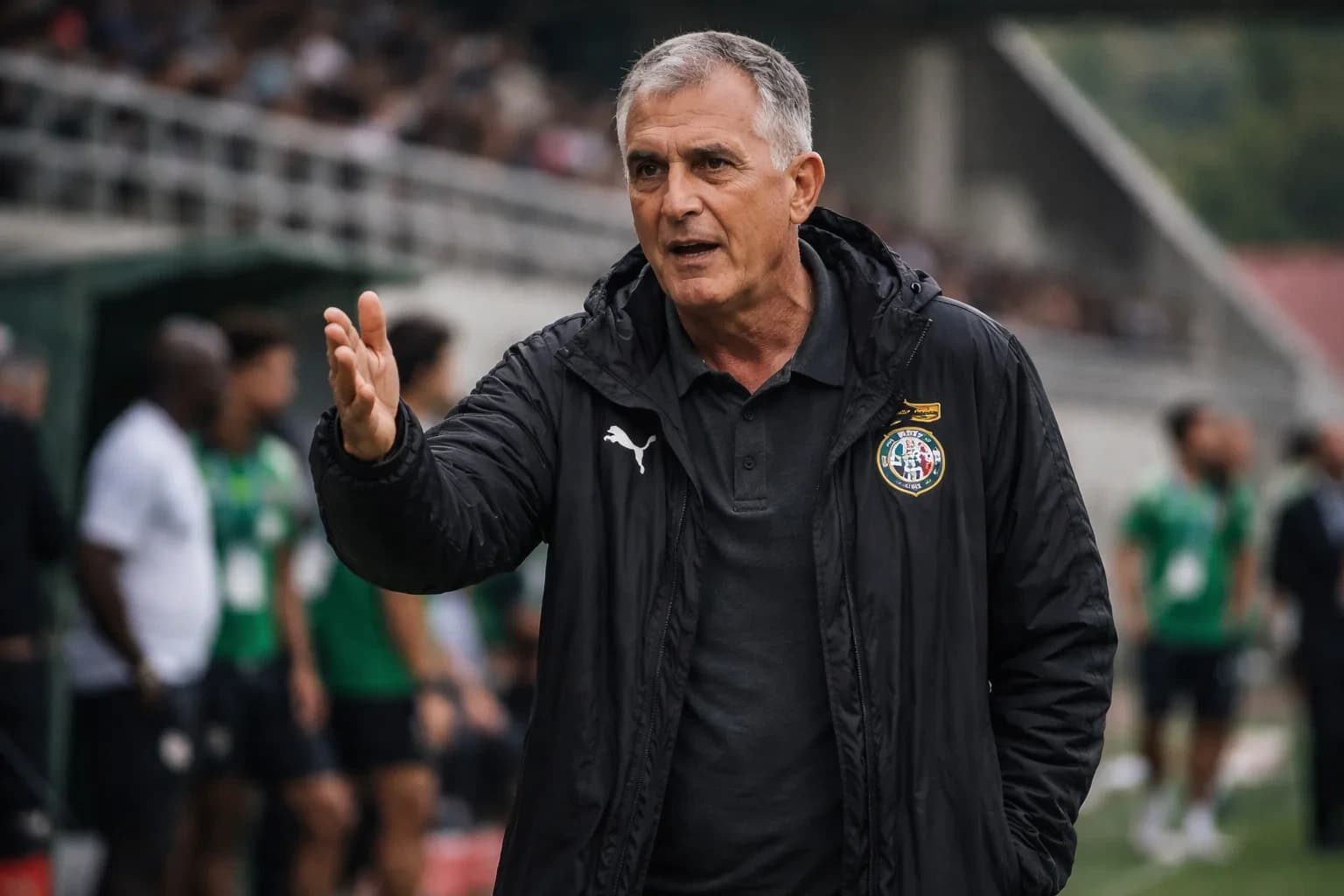
Carlos Queiroz, the seasoned manager currently at the helm of the Ghana national team, has issued a stark critique regarding the future of the FIFA World Cup. Speaking on the recent decision to expand the tournament field to 48 teams, Queiroz did not mince words, describing the upcoming format change as potentially 'vulgar' and 'ordinary.' The Portuguese coach, who has led multiple nations across different continents to the world stage, believes that the expansion threatens the very soul of the competition. His primary concern centers on the idea that by opening the doors to so many participants, FIFA is eroding the hard-earned prestige that once made qualifying for and competing in the World Cup the pinnacle of a professional footballer's career.
What's new in this update
The timing of Queiroz’s comments is particularly noteworthy as national teams across the globe begin their qualification journeys for the 2026 tournament. While many emerging football nations have celebrated the expansion as a 'democratization' of the sport, Queiroz represents a vocal minority of elite coaching professionals who view the change through a more skeptical lens. His use of the word 'vulgar' indicates a belief that the tournament's integrity is being traded for commercial gain and broadcast revenue. This update highlights a growing philosophical rift between the managerial class, who focus on technical excellence, and FIFA’s administrative leadership, which is increasingly focused on expanding the game's footprint in non-traditional markets.
Key details
The 2026 World Cup, hosted by the United States, Mexico, and Canada, will fundamentally rewrite the tournament's logistical playbook. Moving from 32 to 48 teams involves a 50% increase in the number of participating squads, resulting in a total of 104 matches compared to the traditional 64. FIFA officials eventually settled on a structure featuring 12 groups of four teams, ensuring that the top two from each group and the eight best third-place teams advance to a new Round of 32. For African nations like Ghana, this means more guaranteed slots—specifically nine direct spots compared to the previous five—yet Queiroz argues that this increased access may lead to a higher frequency of lopsided results and a 'diluted' group stage experience.
Background and context
The World Cup has historically evolved in stages, moving from a 16-team format for much of the 20th century to 24 teams in 1982, and finally to 32 teams in 1998. Each expansion has been met with skepticism regarding the quality of play, yet FIFA President Gianni Infantino has remained a staunch advocate for the 48-team model, citing the need for greater representation for Africa and Asia. Carlos Queiroz brings a unique perspective to this debate, having managed the national teams of Portugal, Iran, Colombia, Egypt, and now Ghana. His extensive experience across different footballing cultures gives his warnings about 'ordinariness' a level of weight that is difficult for governing bodies to ignore, even as the commercial momentum for expansion remains unstoppable.
What to watch next
As the football world moves closer to 2026, the focus will shift from the merits of expansion to the practicalities of its execution. Analysts will be watching to see if the quality of matches in the early stages of the tournament holds up to historical standards or if the 'vulgarity' Queiroz fears manifests in a series of uncompetitive fixtures. There is also the significant issue of player welfare to consider; an expanded tournament means a longer duration and more physical demand on athletes who are already facing congested domestic schedules. Whether other high-profile managers will join Queiroz in his public dissent remains to be seen, but his comments have certainly set the stage for a contentious lead-up to the first 48-team spectacle.
Why it matters
The shift to a 48-team World Cup represents the most significant change to the tournament's structure in decades, sparking a debate between global inclusivity and the preservation of elite sporting standards.
Read next
Follow this story through the topic hub, more sports coverage, and the latest updates.
Weekly briefing
Get the week's key developments in one concise email.
Get a fast catch-up on the biggest stories, the context behind them, and the links worth your time.
Cadence
Weekly, for a quick catch-up
Coverage
AI, business, world, security, sports
Format
Clear takeaways and useful context
Request the briefing
Leave your email to open a prepared request and get on the list for the weekly briefing.
About the byline
Sports reporter
Olivia Park covers sports with an emphasis on competition, governance, and the business forces shaping global leagues, major events, and athlete decision-making.
Sources and methodology