Ex-NFL Star Ted Ginn Jr. Charged with DWI; Sidelined from UFL
The former first-round pick and Ohio State standout was absent from his UFL team's weekend roster following an overnight arrest in Texas.

Sports reporter
Reports on leagues, tournaments, and athlete developments with an emphasis on verified event details, official announcements, and commercial context.
Editorial responsibility: Lead reviewer for match reporting, tournament context, and league governance coverage
Primary source: ESPN Top Headlines. Full source links and update notes are below.
Fast summary
Start here
- Ted Ginn Jr. was arrested in Texas and charged with driving while intoxicated.
- The arrest resulted in Ginn missing a scheduled game in the United Football League (UFL).
- Ginn is a 14-year NFL veteran who previously starred at Ohio State and for multiple NFL franchises.
What happened
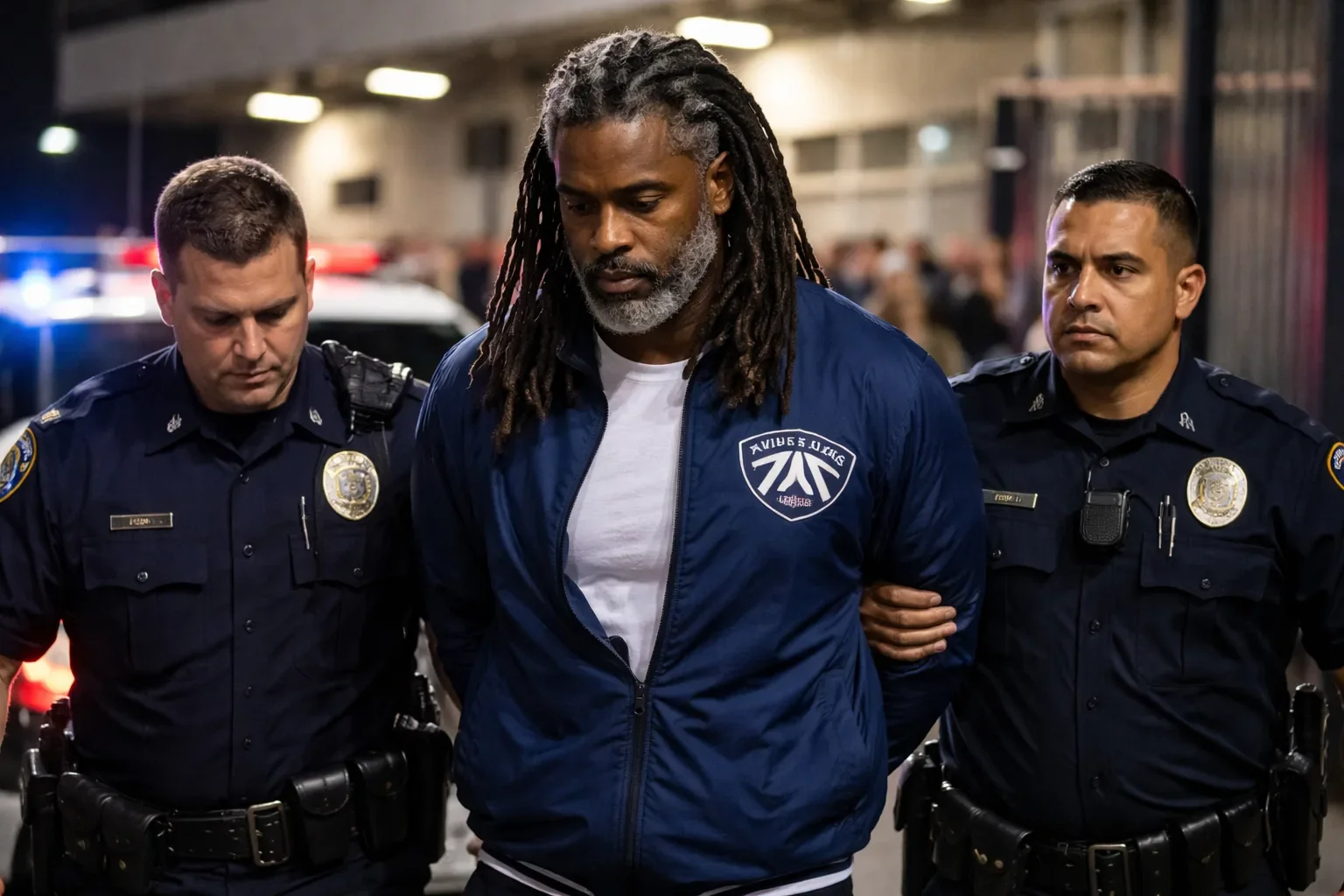
Former NFL wide receiver Ted Ginn Jr. was arrested in Texas and charged with DWI, causing him to miss a scheduled United Football League game and immediately shifting attention from spring football to legal trouble. The case now puts one of the UFL's best-known veteran names into a situation where his status will be shaped not just by the court process, but also by whatever standards the league applies to player conduct.
That makes the Ted Ginn Jr. DWI arrest story more than a roster note. It is also a test of how spring football handles off-field legal issues involving recognizable former NFL players whose reputations still carry weight with fans and broadcasters.
Why the arrest matters beyond one missed game
On the surface, the immediate impact is simple: Ginn was unavailable because of the arrest. But the bigger issue is that a league still building identity and credibility does not want its most familiar veteran names attached to preventable legal headlines. The UFL sells continuity, second chances, and recognizable football talent. A DWI case involving a prominent former first-round NFL player pulls that image in the opposite direction.
That is why this story matters even if the football consequences prove temporary. It touches brand standards as much as lineup depth.
Why Ginn's profile raises the visibility
Ted Ginn Jr. is not an anonymous spring-league player. He remains widely associated with Ohio State, elite speed, long NFL service, and a recognizable role across multiple franchises. That makes the arrest more visible than it would be for an unestablished player trying to extend a career quietly.
This matters because high-profile veterans are part of how spring leagues attract casual interest. When one of those names lands in legal trouble, the incident does not stay isolated to local police records. It becomes part of the public identity of the league itself.
The legal process is separate from the football process
A DWI charge is serious, but it is also important to separate the confirmed facts from the final outcome. At this stage, what is known is that Ginn was arrested and charged. The court process will determine how the case is resolved. That legal track may take longer than the football calendar, which means league or team decisions could come before the case reaches final disposition.
This distinction matters because sports organizations often operate on their own timelines. A player can face immediate availability consequences even while the legal system is still sorting the underlying charge.
Why this matters for the UFL specifically
The UFL is still defining how seriously it wants to be taken as a professional environment distinct from nostalgia or novelty. That means player conduct issues can carry disproportionate significance. Every public test becomes a signal about standards, discipline, and how the league balances second-chance narratives against professional accountability.
If the UFL responds slowly or opaquely, critics may read that as organizational softness. If it responds too aggressively before facts develop, it risks overcorrecting. That balance is difficult for any league, but especially for one still building institutional authority.
What to watch next
The next meaningful developments are likely to come from Texas court proceedings, any statement from Ginn or his representation, and any UFL action regarding eligibility or discipline. It will also matter whether the team frames the absence as temporary pending review or as something more serious inside its own player-conduct process.
Why this matters
The Ted Ginn Jr. DWI case matters because it places a recognizable football name at the center of a legal issue that could affect both his immediate playing future and the UFL's public credibility. For Ginn, the priority is now the legal process. For the league, the priority is proving that professional visibility still comes with enforceable standards.
Why it matters
This incident sidelines one of the most recognizable veteran names in spring football and brings legal scrutiny to the UFL's player conduct standards.
Read next
Follow this story through the topic hub, more sports coverage, and the latest updates.
Weekly briefing
Get the week's key developments in one concise email.
Get a fast catch-up on the biggest stories, the context behind them, and the links worth your time.
Cadence
Weekly, for a quick catch-up
Coverage
AI, business, world, security, sports
Format
Clear takeaways and useful context
Request the briefing
Leave your email to open a prepared request and get on the list for the weekly briefing.
About the byline
Sports reporter
Olivia Park covers sports with an emphasis on competition, governance, and the business forces shaping global leagues, major events, and athlete decision-making.
Sources and methodology