How 'Dani Rojas' Realized His Pro Soccer Dream
Actor Cristo Fernández discusses the convergence of his fictional Ted Lasso role and the professional football career he lost to injury.

Sports reporter
Reports on leagues, tournaments, and athlete developments with an emphasis on verified event details, official announcements, and commercial context.
Editorial responsibility: Lead reviewer for match reporting, tournament context, and league governance coverage
Primary source: ESPN Top Headlines. Full source links and update notes are below.
Fast summary
Start here
- Fernandez played professionally in Mexico for Tecos before a knee injury at 20 ended his career.
- His role as Dani Rojas on Ted Lasso helped him reconcile with his past athletic trauma.
- He now participates in professional-level events like Soccer Aid, fulfilling his original sporting ambitions.
What happened
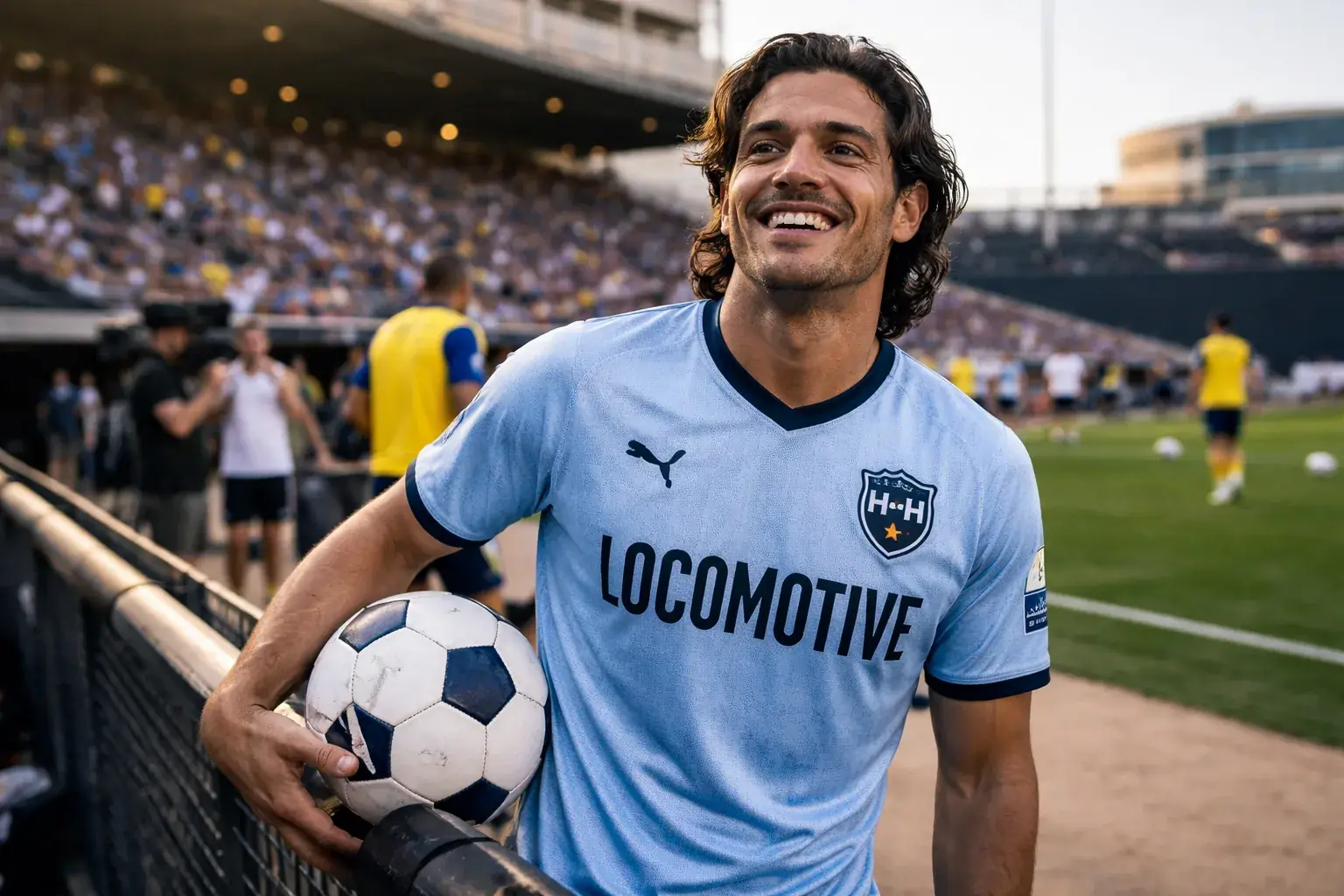
Cristo Fernández says acting helped him realize the professional soccer dream that injury had once taken away, creating one of the more unusual intersections between sport and entertainment in recent years. Best known as Dani Rojas from Ted Lasso, Fernández has described how the role allowed him to reconnect with the world of elite football after a knee injury ended his early professional path in Mexico.
That makes the Cristo Fernández soccer story about more than celebrity crossover. It is about how a performer with a real football background found a second route back into the game, not by pretending to love it on screen, but by turning personal loss into a different kind of professional access.
Why his background matters
Fernández is not just an actor cast into a sports role because of good energy or comic timing. He came from a real football trajectory, having played in Mexico before injury disrupted that path. That detail is what gives the story its emotional force. The role of Dani Rojas did not invent his relationship with the sport. It reopened it.
That matters because audiences often respond differently when an actor's sports role is tied to genuine lived experience. The performance feels less like costume and more like recovered identity.
Why Ted Lasso changed the meaning of the dream
The obvious irony is that Fernández became globally recognizable as a footballer through acting rather than through the career he originally pursued. But that irony is exactly what makes the story compelling. Through Ted Lasso, he entered stadium culture, fan identity, and football conversation at a scale far beyond what many real professionals ever experience.
For someone who lost the conventional route early, that kind of return can feel emotionally complex. It is not the same dream in the strictest sense, but it is close enough to restore parts of what was lost: belonging, performance, visibility, and a life organized again around the game.
The Dani Rojas role was more than comic relief
Dani Rojas became a fan favorite because of his joy and his now-famous football philosophy, but the character also served a deeper purpose for Fernández himself. Playing an exuberant, football-obsessed striker appears to have given him a way to re-enter a space once associated with injury and disappointment. Instead of football being only the site of a broken ambition, it became the medium through which he built a new career.
That helps explain why events like Soccer Aid matter so much in this story. They are not just publicity appearances. They are moments where fiction, memory, and real sporting aspiration overlap.
Why Soccer Aid and similar events matter
Participation in high-profile football charity or exhibition events offers Fernández something distinctive: the chance to engage the sport publicly at a meaningful level without pretending he is something he is not. He is not being inserted as a gimmick. He brings real football background, real emotional investment, and a cultural role that audiences already associate with the game.
This is where his story becomes more than a personal anecdote. It becomes a model of how media can create legitimate second pathways into sport for people whose original athletic careers were interrupted.
Why this resonates beyond football
Many athletes experience identity rupture when injury ends a career early. What makes Fernández unusual is that his next profession eventually looped him back into the same emotional landscape, but under different terms. That kind of arc resonates because it shows that a dream can be altered without being completely erased.
The professional soccer dream was not fulfilled in the way he first imagined it. But through acting, football visibility, and real participation in the sport's public culture, he found a version of it that still feels authentic.
What to watch next
Fernández is likely to remain connected to football-adjacent projects, charity matches, and media work that keeps him near the game. The broader question is whether he becomes a longer-term figure in the overlap between football storytelling and football culture, where his background gives him credibility in both spaces.
Why this matters
Cristo Fernández's story matters because it reframes the idea of a lost sporting future. Injury ended one professional football path, but acting unexpectedly created another. For fans, it is a compelling narrative about resilience. For athletes, it is a reminder that identity after injury does not always have to mean total separation from the game that first defined you.
Why it matters
The story highlights how the global reach of television can provide former athletes with a second chance to engage with professional sports at the highest level.
Read next
Follow this story through the topic hub, more sports coverage, and the latest updates.
Weekly briefing
Get the week's key developments in one concise email.
Get a fast catch-up on the biggest stories, the context behind them, and the links worth your time.
Cadence
Weekly, for a quick catch-up
Coverage
AI, business, world, security, sports
Format
Clear takeaways and useful context
Request the briefing
Leave your email to open a prepared request and get on the list for the weekly briefing.
About the byline
Sports reporter
Olivia Park covers sports with an emphasis on competition, governance, and the business forces shaping global leagues, major events, and athlete decision-making.
Sources and methodology